ReadWriteThink - Powered by NCTE
  • About
  • Classroom Resources
    • Lesson Plans
    • Teaching Comics
    • Teaching With Primary Resources
    • Calendar
    • Printouts
    • Student Interactives
  • Collections
    • Assessment
    • Authors
    • Booklists
    • Media Literacy
    • Poetry
    • Primary Sources
    • Writing
  • Professional Development
    • Strategy Guides
    • Professional Library
    • Meetings & Events
  • Join NCTE
  • Contact Us
  • About
  • Classroom Resources
    • Lesson Plans
    • Teaching Comics
    • Teaching With Primary Resources
    • Calendar
    • Printouts
    • Student Interactives
  • Collections
    • Assessment
    • Authors
    • Booklists
    • Media Literacy
    • Poetry
    • Primary Sources
    • Writing
  • Professional Development
    • Strategy Guides
    • Professional Library
    • Meetings & Events
  • Join NCTE
  • Contact Us
  • Facebook
  • Twitter
  • Instagram
  • Pinterest
  • YouTube

Breadcrumb

  1. Home

Type

  • Classroom Resources
  • Professional Development

Grades

  • 1 (57)
  • 2 (65)
  • 3 (154)
  • 4 (161)
  • 5 (202)
  • 6 (249)
  • 7 (264)
  • 8 (275)
  • 9 (280)
  • 10 (277)
  • 11 (272)
  • 12 (271)
  • K (48)

Learning Objectives

  • collaboration (172)
  • Comprehension (190)
  • critical thinking (292)
  • digital literacy (58)
  • Grammar (7)
  • inquiry / research (215)
  • listening (59)
  • literary analysis (112)
  • Media literacy (91)
  • metacognition (137)
  • multicultural awareness (70)
  • multimodal literacy (93)
  • oral communication (93)
  • phonological awareness (4)
  • print awareness (40)
  • reading fluency (12)
  • reading genres (116)
  • Spelling (6)
  • text structure / story structure (83)
  • Vocabulary (50)
  • writing genres (141)
  • writing process (131)

Topics

  • (-) nonfiction
  • (-) social studies / history
  • arts
  • careers
  • community
  • drama
  • ELL
  • Family
  • fiction
  • Mathematics
  • Mobile Learning
  • poetry
  • science
  • seasons / holidays
  • social action
  • Sports
  • STEM
Searching for Gold: A Collaborative Inquiry Project
Grades
3 - 5
|
Lesson Plan
|
Unit
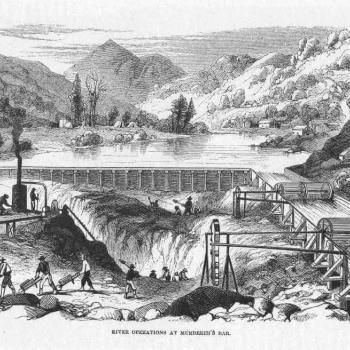
Searching for Gold: A Collaborative Inquiry Project
Each small group of students researches one aspect of the same big topic, such as the Gold Rush, and teaches what they have learned to the rest of the class.
From Friedan Forward—Considering a Feminist Perspective
Grades
9 - 12
|
Lesson Plan
|
Standard Lesson
From Friedan Forward—Considering a Feminist Perspective
Students write letters expressing personal views on issues like equal pay, equal education/employment opportunity, and gender roles—and receive these letters six years later.
Exploring Audience and Purpose with a Single Issue
Grades
9 - 12
|
Lesson Plan
|
Standard Lesson
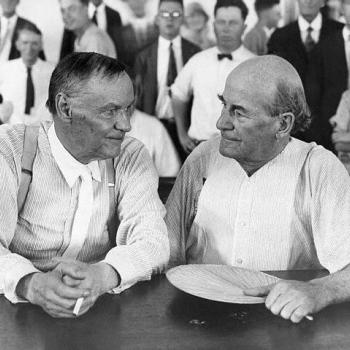
Exploring Audience and Purpose with a Single Issue
Students explore the concepts of audience and purpose by focusing on an issue that divided Americans in 1925, the debate of evolution versus creationism raised by the Scopes Monkey Trial.

Campaigning for Fair Use: Public Service Announcements on Copyright Awareness
Grades
6 - 8
|
Lesson Plan
|
Unit
Campaigning for Fair Use: Public Service Announcements on Copyright Awareness
Students explore a range of resources on fair use and copyright then design their own audio public service announcements (PSAs), to be broadcast over the school's public address system.
Grades
9 - 12
|
Lesson Plan
|
Standard Lesson
From Dr. Seuss to Jonathan Swift: Exploring the History behind the Satire
Use Dr. Seuss's The Butter Battle Book as an accessible introduction to satire. Reading, discussing, and researching this picture book paves the way for a deeper understanding of Gulliver's Travels.

Decoding the Dystopian Characteristics of Macintosh's "1984" Commercial
Grades
9 - 12
|
Lesson Plan
|
Minilesson
Decoding the Dystopian Characteristics of Macintosh's "1984" Commercial
This lesson uses the "1984" Macintosh Commercial to introduce students to dystopian characteristics. Students analyze techniques used in the commercial and identify the comments that it makes about contemporary society.
Persuading an Audience: Writing Effective Letters to the Editor
Grades
9 - 12
|
Lesson Plan
|
Standard Lesson
Persuading an Audience: Writing Effective Letters to the Editor
Students use persuasive writing and an understanding of the characteristics of letters to the editor to compose effective letters to the editor on topics of interest to them.
Finding the Science Behind Science Fiction through Paired Readings
Grades
6 - 8
|
Lesson Plan
|
Standard Lesson
Finding the Science Behind Science Fiction through Paired Readings
Students read science fiction texts and then use nonfiction texts to extrapolate the scientific principles presented as they discuss the "what ifs" within the context of scientific principles.
Analyzing the Stylistic Choices of Political Cartoonists
Grades
9 - 12
|
Lesson Plan
|
Standard Lesson
Analyzing the Stylistic Choices of Political Cartoonists
Students explore and analyze the techniques that political (or editorial) cartoonists use and draw conclusions about why the cartoonists choose those techniques to communicate their messages.
Digging Up Details on Worms: Using the Language of Science in an Inquiry Study
Grades
K - 2
|
Lesson Plan
|
Standard Lesson
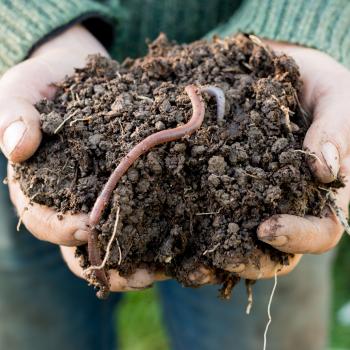
Digging Up Details on Worms: Using the Language of Science in an Inquiry Study
This lesson, in which students research worms in order to create a classroom habitat, incorporates reading and writing across content areas as well as math and science activities.
Exploring Language and Identity: Amy Tan's "Mother Tongue" and Beyond
Grades
9 - 12
|
Lesson Plan
|
Standard Lesson
Exploring Language and Identity: Amy Tan's "Mother Tongue" and Beyond
Students explore the idea of "different Englishes" by reading Amy Tan's "Mother Tongue" and writing literacy narratives about their own use of different language for different audiences and purposes.
Audio Broadcasts and Podcasts: Oral Storytelling and Dramatization
Grades
9 - 12
|
Lesson Plan
|
Unit
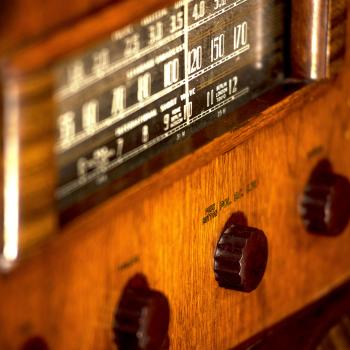
Audio Broadcasts and Podcasts: Oral Storytelling and Dramatization

After exploring Orson Welles' 1938 broadcast of H. G. Wells' War of the Worlds, students create their own audio dramatization of a text they have read.

Grades
9 - 12
|
Lesson Plan
|
Minilesson
You're the Top! Pop Culture Then and Now
Students analyze the lyrics to Cole Porter's "You're the Top!" and then update them to include current "tops" in pop culture.
Designing Museum Exhibits for <em>The Grapes of Wrath</em>: A Multigenre Project
Grades
9 - 12
|
Lesson Plan
|
Unit
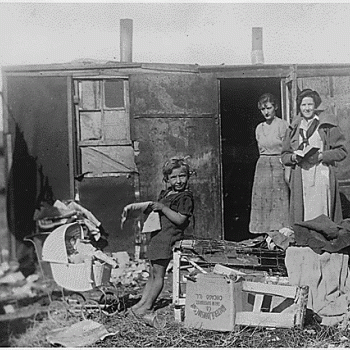
Designing Museum Exhibits for The Grapes of Wrath: A Multigenre Project

Using The Grapes of Wrath as a backdrop, students conduct research on issues that the novel addresses, publishing their findings in a multigenre museum exhibit.

Comparing Fiction and Nonfiction with "Little Red Riding Hood Text" Sets
Grades
K - 2
|
Lesson Plan
|
Unit
Comparing Fiction and Nonfiction with "Little Red Riding Hood Text" Sets
Students discuss and compare differing versions of "Little Red Riding Hood" and other tales about wolves in cumulative read-aloud sessions and text set explorations.

Engaging Students in a Collaborative Exploration of the Gettysburg Address
Grades
3 - 5
|
Lesson Plan
|
Standard Lesson
Engaging Students in a Collaborative Exploration of the Gettysburg Address
In small groups, students closely examine one sentence from the Gettysburg Address and create a multigenre project communicating what they have discovered about the meaning and significance of the text.
Myth and Truth: The Gettysburg Address
Grades
9 - 12
|
Lesson Plan
|
Standard Lesson
Myth and Truth: The Gettysburg Address
By exploring myths and truths surrounding Abraham Lincoln's Gettysburg Address, students think critically about commonly believed stories regarding this famous speech from the Civil War era.
Using Student-Centered Comprehension Strategies with Elie Wiesel's <em>Night</em>
Grades
9 - 12
|
Lesson Plan
|
Unit
Using Student-Centered Comprehension Strategies with Elie Wiesel's Night
Working in small groups, students read and discuss Elie Wiesel's memoir Night and then take turns assuming the "teacher" role, as the class works with four different comprehension strategies.

So What Do You Think? Writing a Review
Grades
9 - 12
|
Lesson Plan
|
Standard Lesson
So What Do You Think? Writing a Review
Writing a review of an author's work challenges students to develop their critical thinking skills. It provides an opportunity for students to speak their minds—and to enjoy being heard.
Creating Family Timelines: Graphing Family Memories and Significant Events
Grades
3 - 5
|
Lesson Plan
|
Standard Lesson
Creating Family Timelines: Graphing Family Memories and Significant Events
Students interview family members, and then create graphic family timelines based on important and memorable family events.

Pagination

  • First page « First
  • Previous page ‹‹
  • Page 1
  • Page 2
  • Page 3
  • Page 4
  • Page 5
  • Page 6
  • Page 7
  • Page 8
  • Page 9
  • …
  • Next page ››
  • Last page Last »

Explore Resources by Grade

  • KindergartenK
  • 1-2
  • 3-4
  • 5-6
  • 7-8
  • 9-10
  • 11-12

RWT-logo

Powered By NCTE

Footer 1 Menu

  • About
  • Classroom Resources
  • Professional Development
  • Collections
  • Contact Us

Footer 2 Menu

  • National Council of Teachers of English
  • Contribute to RWT
  • FAQs
  • Join NCTE

Footer 3 Menu

  • Legal Notices
  • Privacy Policy
  • Promotional Materials
  • Site Demonstrations

Want to stay in touch with RWT and NCTE? Sign up here!

  • Facebook
  • Twitter
  • Instagram
  • Pinterest
  • YouTube

© NCTE 2026. All rights reserved