Using haiku, students focus on themes in literature and demonstrate their understanding of an author's message. Writing haiku to accompany an analytical paper hones analytical skills and fosters creative expression.

Aim for the Heart: Using Haiku to Identify Theme

For Argument's Sake: Playing "Devil's Advocate" with Nonfiction Texts
Students learn how to play "devil's advocate" by evaluating sports reforms, reading an engaging non-fiction article, and participating in a town hall meeting in which they represent the interests of various stakeholders to generate debate and develop critical thinking skills.

Learning about Clouds with Haikus
Using a mobile app or Interactive activity, students write haikus describing various types of clouds that they have studied.

Book Report Alternative: Sharing Info from Informational Reading
Reporting on an informational book doesn't have to be boring! Instead of the traditional book report format, students create newspapers using a Printing Press interactive to share what they have learned from reading informational books.
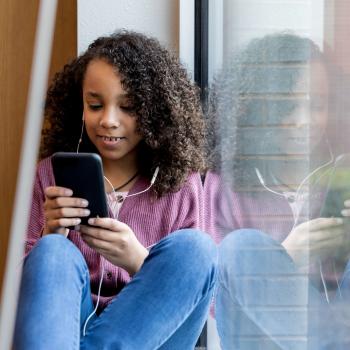
Using Mobile Devices to Illustrate Literary Devices
Using mobile devices, students capture images to represent literary devices. Students then reflect on why their images depict the literary devices.

Making the Cut: Revising Memoirs by Detecting Clutter and Confusion
Students improve a slide show by removing pictures. Their reasons for cutting pictures are translated into revision guidelines for cutting unnecessary words and sections from their rough drafts.
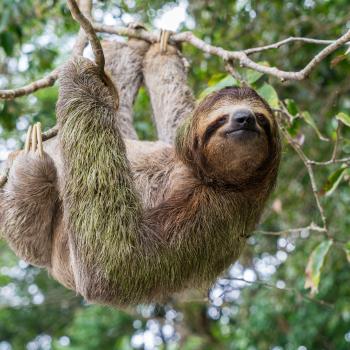
Investigating Animals: Using Nonfiction for Inquiry-based Research
Inspired by their curiosity about animals, students work together to research an animal of their choice and present the information they gather to an authentic audience.
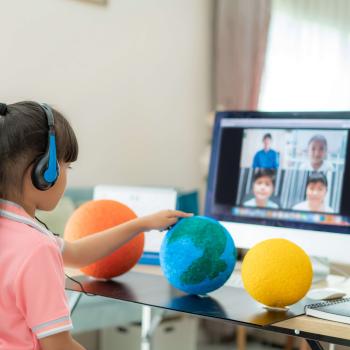
Adventures in Nonfiction: A Guided Inquiry Journey
Students are guided through an informal exploration of nonfiction texts and child-oriented Websites, learning browsing and skimming techniques for the purpose of gathering interesting information.
Research Building Blocks: "Cite Those Sources!"
Students learn the importance of crediting others for their words and ideas, and then learn the paraphrasing and citation skills necessary to avoid plagiarism.

Research Building Blocks: Skim, Scan, and Scroll
In this lesson from a research skills unit, students read informational text, looking for supporting details. They practice skimming and scanning print resources, and scrolling through electronic resources.

Research Building Blocks: Examining Electronic Sources
In this lesson, students evaluate and rate the relevance of electronic resources as they research information about their state.

Research Building Blocks: Notes, Quotes, and Fact Fragments
Students are guided through the process of taking notes while reading factual information, then turning those notes into new sentences and paragraphs written in their own words.
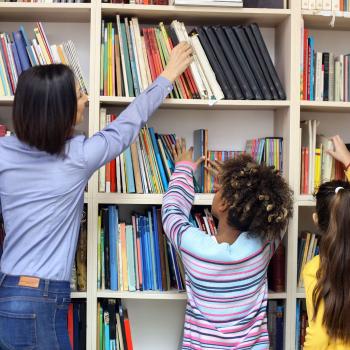
Research Building Blocks: Hints about Print
In this lesson from a research skills unit, students examine abstracts on selected books to determine their relevance and helpfulness.
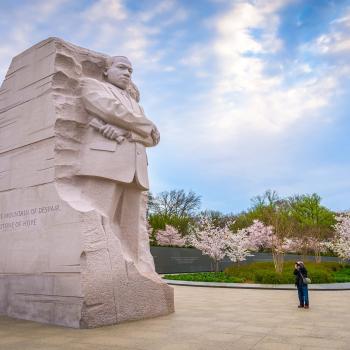
How Big Are Martin's Big Words? Thinking Big about the Future
Inspired by the book Martin's Big Words, students explore information on Dr. King to think about his "big" words, then they write about their own "big" words and dreams.
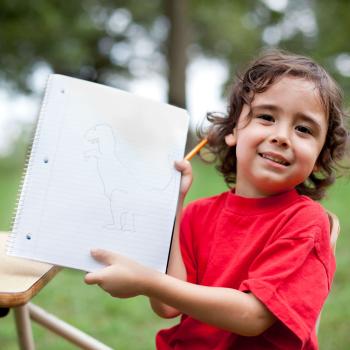
Writing Reports in Kindergarten? Yes!
This lesson encourages young students to see themselves as writers with a message to convey. Three types of reports are provided to show what kindergartners and emergent writers can do.
Biographies: Creating Timelines of a Life
In this lesson students explore a number of sources to create a biographical timeline about a selected person. Students collaboratively research and resolve conflicting information they find during their investigation.
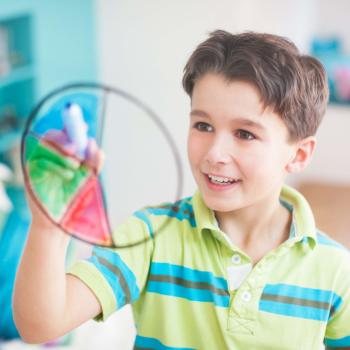
Listen, Look, and Learn: An Information-Gathering Process
After listening to and discussing the story Score One for the Sloths, primary students research the sloth. Students use a variety of resources, including an information wheel graphic organizer.
Writing and Assessing an Autobiographical Incident
Students build upon their knowledge of biographies to write their own autobiographical incident. After going through a process of revision, they use a rubric to assess their work.

Rosa Parks was born on this day in 1913.
Rosa Parks was committed to the struggle for social justice and human rights until her death, inspiring millions of people around the world. Today, we celebrate her!
Fact Fragment Frenzy
Fact Fragment Frenzy provides elementary students with an online model for finding facts in nonfiction text, then invites students to find facts in five sample passages.