In this strategy, students read aloud to each other, pairing more fluent readers with less fluent readers. This strategy can also be used to pair older students with younger students to create "reading buddies."

Using Paired Reading to Increase Fluency and Peer Cooperation

Teaching with Zooming Slideshows through Prezi
Through Prezi, a web application, students create "zooming" presentations for various purposes, such as presenting research, defending an opinion, or sharing a digital story.
Bringing Lessons to Life with Animoto
Using Animoto, a free Web 2.0 tool, students can develop short digital videos that include music, photos, video clips, and text as well as share their creations electronically.

Speak to Me: Teaching with Voki
Through Voki, a Web 2.0 tool, students create customizable avatars for class presentations for various purposes, such as presenting biographical information, expressing an opinion, or reading a poem.
Great Films and How to Teach Them
Costanzo offers high school and college teachers an updated, expanded edition that contains 80% new material on teaching film, including study guides of 14 new film with relevant ways to engage their students through a medium that students know and love.
Code of Best Practices in Fair Use for Media Literacy Education
This document is a code of best practices that helps educators using media literacy concepts and techniques to interpret the copyright doctrine of fair use.
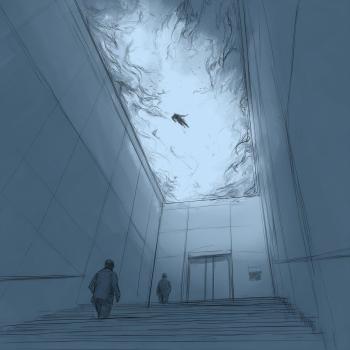

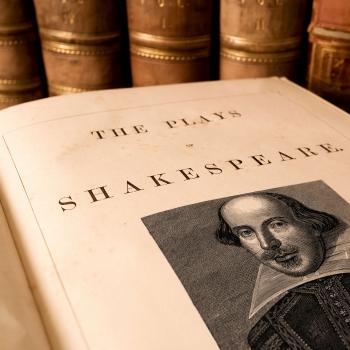
Constructing New Understanding Through Choral Readings of Shakespeare
After reading The Tempest or any other play by William Shakespeare, students work in small groups to plan, compose, and perform a choral reading based on a character or theme.

Weekly Writer's Blogs: Building a Reflective Community of Support
Students explore the conventions of blog writing while using it to self-reflect on their writing and communicate with classmates about each other's reflections.
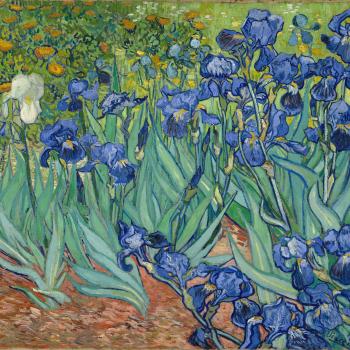
Ekphrasis: Using Art to Inspire Poetry
In this lesson, students explore ekphrasis—writing inspired by art. Students find pieces of art that inspire them and compose a booklet of poems about the pieces they have chosen.

Designing Effective Poster Presentations
Students explore the genre of posters, review informational writing and visual design, and then design poster presentations to share in class or at a school-wide fair.

Connecting Past and Present: A Local Research Project
In this unit, students become active archivists, gathering photos, artifacts, and stories for a museum exhibit that highlights one decade in their school's history.