ReadWriteThink - Powered by NCTE
  • About
  • Classroom Resources
    • Lesson Plans
    • Teaching Comics
    • Teaching With Primary Resources
    • Calendar
    • Printouts
    • Student Interactives
  • Collections
    • Assessment
    • Authors
    • Booklists
    • Media Literacy
    • Poetry
    • Primary Sources
    • Writing
  • Professional Development
    • Strategy Guides
    • Professional Library
    • Meetings & Events
  • Join NCTE
  • Contact Us
  • About
  • Classroom Resources
    • Lesson Plans
    • Teaching Comics
    • Teaching With Primary Resources
    • Calendar
    • Printouts
    • Student Interactives
  • Collections
    • Assessment
    • Authors
    • Booklists
    • Media Literacy
    • Poetry
    • Primary Sources
    • Writing
  • Professional Development
    • Strategy Guides
    • Professional Library
    • Meetings & Events
  • Join NCTE
  • Contact Us
  • Facebook
  • Twitter
  • Instagram
  • Pinterest
  • YouTube

Breadcrumb

  1. Home

Type

  • Classroom Resources
  • Professional Development

Grades

  • 1 (52)
  • 2 (54)
  • 3 (79)
  • 4 (82)
  • 5 (95)
  • 6 (102)
  • 7 (105)
  • 8 (109)
  • 9 (116)
  • 10 (113)
  • 11 (108)
  • 12 (107)
  • K (49)

Learning Objectives

  • collaboration (90)
  • Comprehension (100)
  • critical thinking (140)
  • digital literacy (40)
  • Grammar (14)
  • inquiry / research (56)
  • listening (60)
  • literary analysis (75)
  • Media literacy (63)
  • metacognition (67)
  • multicultural awareness (31)
  • multimodal literacy (84)
  • oral communication (59)
  • phonological awareness (17)
  • print awareness (32)
  • reading fluency (21)
  • reading genres (47)
  • Spelling (16)
  • text structure / story structure (60)
  • Vocabulary (55)
  • writing genres (72)
  • writing process (70)

Topics

  • (-) arts
  • (-) ELL
  • careers
  • community
  • drama
  • Family
  • fiction
  • Mathematics
  • Mobile Learning
  • nonfiction
  • poetry
  • science
  • seasons / holidays
  • social action
  • social studies / history
  • Sports
  • STEM
Using Generative Sentences to Apply Academic Vocabulary
Grades
Grades
4 - 12
|
Strategy Guide
Using Generative Sentences to Apply Academic Vocabulary
In this guide, you will learn how to use generative sentences to give students opportunities to apply their knowledge of new words in writing.
Introducing Ideas and Vocabulary with the Concept Sort
Grades
Grades
K - 8
|
Strategy Guide
Introducing Ideas and Vocabulary with the Concept Sort
A Concept Sort is a vocabulary and comprehension strategy used with students to introduce new topics and/or familiarize students with new vocabulary.
Using Paired Reading to Increase Fluency and Peer Cooperation
Grades
Grades
K - 6
|
Strategy Guide
Using Paired Reading to Increase Fluency and Peer Cooperation
In this strategy, students read aloud to each other, pairing more fluent readers with less fluent readers. This strategy can also be used to pair older students with younger students to create "reading buddies."
Teaching with Zooming Slideshows through Prezi
Grades
Grades
6 - 12
|
Strategy Guide
Teaching with Zooming Slideshows through Prezi
Through Prezi, a web application, students create "zooming" presentations for various purposes, such as presenting research, defending an opinion, or sharing a digital story.
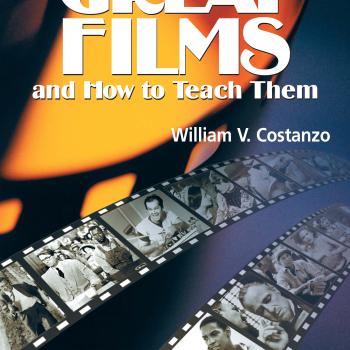
Great Films and How to Teach Them
Grades
9 - 12
|
Professional Library
|
Book
Great Films and How to Teach Them
Costanzo offers high school and college teachers an updated, expanded edition that contains 80% new material on teaching film, including study guides of 14 new film with relevant ways to engage their students through a medium that students know and love.
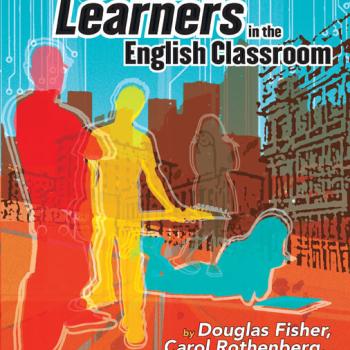
Language Learners in the English Classroom
Grades
7 - 12
|
Professional Library
|
Book
Language Learners in the English Classroom
This book provides practical, research-based strategies that can help secondary-level English language learners meet the challenges of both language and content learning.
6 - 12

The Major Impact of Minor Characters in the Lives of Immigrant Heroes

Teaching Comics
9 - 12

Picture an American

Teaching Comics
Translating Poetry into Comics
9 - 12

From Verse to Visual: Translating Poetry into Comics

Teaching Comics
8 - 11

Connecting to the Past through Interviews: A Comics Project

Teaching Comics
6 - 12

Questions All Around: A Collection of Questions for Graphic Novel Stories from Great Immigrants, Great Americans

Teaching Comics
9 - 12

Dear Great Immigrant, Dear Great American Comic Letter

Teaching Comics
Constructing New Understanding Through Choral Readings of Shakespeare
Grades
9 - 12
|
Lesson Plan
|
Standard Lesson
Constructing New Understanding Through Choral Readings of Shakespeare
After reading The Tempest or any other play by William Shakespeare, students work in small groups to plan, compose, and perform a choral reading based on a character or theme.
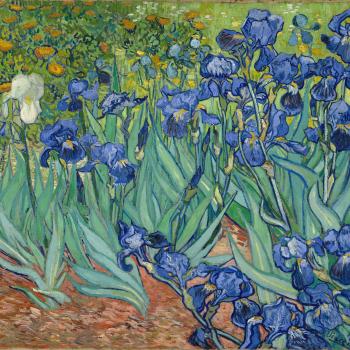
Ekphrasis: Using Art to Inspire Poetry
Grades
9 - 12
|
Lesson Plan
|
Unit
Ekphrasis: Using Art to Inspire Poetry

In this lesson, students explore ekphrasis—writing inspired by art. Students find pieces of art that inspire them and compose a booklet of poems about the pieces they have chosen.

Designing Effective Poster Presentations
Grades
9 - 12
|
Lesson Plan
|
Unit
Designing Effective Poster Presentations
Students explore the genre of posters, review informational writing and visual design, and then design poster presentations to share in class or at a school-wide fair.

Exchanging Ideas by Sharing Journals: Interactive Response in the Classroom
Grades
3 - 5
|
Lesson Plan
|
Standard Lesson
Exchanging Ideas by Sharing Journals: Interactive Response in the Classroom
Pairs of students respond to literature alternately in shared journals. Mini-lessons are presented on responding to prompts, creating dialogue, adding drawings, and asking and answering questions.

The Children's Picture Book Project
Grades
9 - 12
|
Lesson Plan
|
Unit
The Children's Picture Book Project

In this lesson students evaluate published children's picture storybooks. Students then plan, write, illustrate, and publish their own children's picture books.

Love of War in Tim O'Brien's "How to Tell a True War Story"
Grades
9 - 12
|
Lesson Plan
|
Unit
Love of War in Tim O'Brien's "How to Tell a True War Story"
Students explore the theme of love of war through texts on camaraderie among soldiers. They then compose a visual collage depicting their beliefs about the relationship between love and war.
Crossing Boundaries Through Bilingual, Spoken-Word Poetry
Grades
7 - 12
|
Lesson Plan
|
Unit
Crossing Boundaries Through Bilingual, Spoken-Word Poetry
Students explore the idea of "crossing boundaries" through bilingual, spoken-word poetry, culminating in a poetry slam at school or in the community.

Grades
8 - 12
|
Lesson Plan
|
Standard Lesson
Analyzing and Podcasting About Images of Oscar Wilde
Students analyze images of Oscar Wilde used to publicize his 1882 American lecture tour. They then compare a caricature to another researched image, sharing this analysis in a podcast.

Pagination

  • First page « First
  • Previous page ‹‹
  • Page 1
  • Page 2
  • Page 3
  • Page 4
  • Page 5
  • Page 6
  • Page 7
  • Page 8
  • Page 9
  • …
  • Next page ››
  • Last page Last »

Explore Resources by Grade

  • KindergartenK
  • 1-2
  • 3-4
  • 5-6
  • 7-8
  • 9-10
  • 11-12

RWT-logo

Powered By NCTE

Footer 1 Menu

  • About
  • Classroom Resources
  • Professional Development
  • Collections
  • Contact Us

Footer 2 Menu

  • National Council of Teachers of English
  • Contribute to RWT
  • FAQs
  • Join NCTE

Footer 3 Menu

  • Legal Notices
  • Privacy Policy
  • Promotional Materials
  • Site Demonstrations

Want to stay in touch with RWT and NCTE? Sign up here!

  • Facebook
  • Twitter
  • Instagram
  • Pinterest
  • YouTube

© NCTE 2026. All rights reserved