This lesson provides a wealth of ideas for using notes in the classroom to promote authentic writing among children.

Note Writing in the Primary Classroom

Teaching the Compare and Contrast Essay through Modeling
The compare and contrast essay is taught through modeling from the brainstorming phase through the first draft.
Writing Poetry with Rebus and Rhyme
This lesson encourages students to use rhyming words to write rebus poetry modeled on rebus books, which substitute pictures for the words that young students cannot yet identify or decode.

Genre Study: A Collaborative Approach
Students explore multiple genres through genre studies. They record evidence of genre characteristics on bookmarks as they read, and finish by giving a book review for their classmates.
Building a Matrix for Leo Lionni Books: An Author Study
In this author study, students listen to and discuss four books by Leo Lionni. They identify similarities and differences in the stories and then compare two stories of their choice.
Living the Dream: 100 Acts of Kindness
This lesson provides the "action piece" for any study of Dr. Martin Luther King, Jr. In this project, students participate in Dr. King's dream by doing 100 acts of kindness.
Martin Luther King, Jr. and Me: Identifying with a Hero
This lesson provides ideas for celebrating Martin Luther King, Jr. Day by encouraging students to explore the connections between Dr. King and themselves through journaling and inquiry-based research.
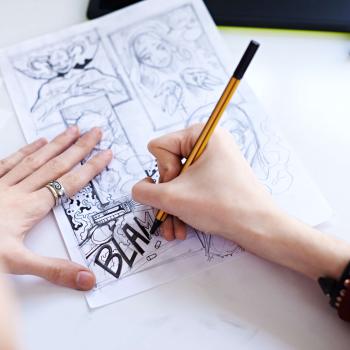
Book Report Alternative: Examining Story Elements Using Story Map Comic Strips
Comic frames are traditionally used to illustrate a story in a short, concise format. In this lesson, students use a six-paneled comic strip frame to create a story map, summarizing a book or story that they've read. Each panel retells a particular detail or explains a literary element (such as setting or character) from the story.

Webcams in the Classroom: Animal Inquiry and Observation
Students observe animals using one of the many webcams broadcasting from zoos and aquariums around the United States and the world, with a focus on observation, discussion, questioning, and research.

Playing Name Bingo with Chrysanthemum
In this twist on traditional bingo, the game boards feature students' names, and students answer questions designed to help them learn more about one another when their names are called.
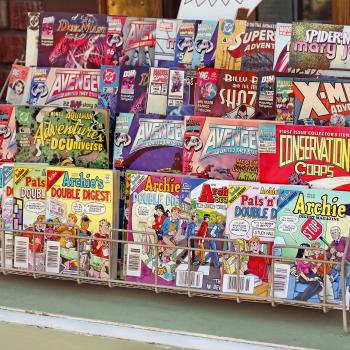
Comics in the Classroom as an Introduction to Narrative Structure
This lesson uses comic strip frames to define plot and reinforce the structure that underlies a narrative. Students finish by writing their own original narratives.

Collaborative Stories 2: Revising
Using a collaborative story written by students, the teacher leads a shared-revising activity to help students consider content when revising, with students participating in the marking of text revisions.

Collaborative Stories 1: Prewriting and Drafting
Students hone their teamwork skills and play off each other's writing strengths as they participate in prewriting activities for a story to be written collaboratively by the whole class.
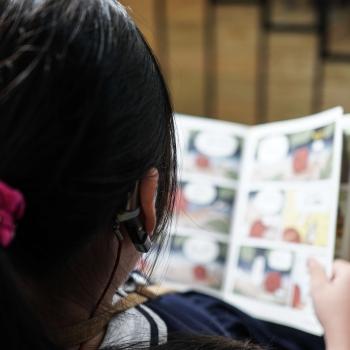
Comics in the Classroom as an Introduction to Genre Study
Multidimensional, challenging, and popular with students, comics provide an excellent way to introduce the concept of genres.
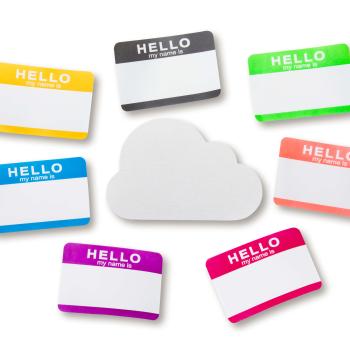
Name Tag Glyphs
In this lesson, students practice a way to communicate without words by using a glyph. They create a name card using information about themselves. Students also interpret glyphs made by others.

Seeing Multiple Perspectives: An Introductory Critical Literacy Lesson
Students consider the perspectives of central but silent characters in Stevie (Steptoe, 1968), gaining much deeper understandings of the story and realizing that every story truly gives a partial account.

Authoring an Epilogue That Helps Our Characters Live On
This lesson uses One Green Apple by Eve Bunting to teach how characters change across a text. It will also guide students through writing an epilogue to accompany their independent book.

Designing Elements of Story in Little Blue and Little Yellow
In this series of four lessons, students will explore key elements of design in Little Blue and
Little Yellow to learn about setting, character relationships, and plot.

Literature Response in Primary Classrooms
This step-by-step literature response template for use with read-alouds asks students to use drawing and writing to respond to increasingly-complex prompts which address literary elements as well as personal connections.
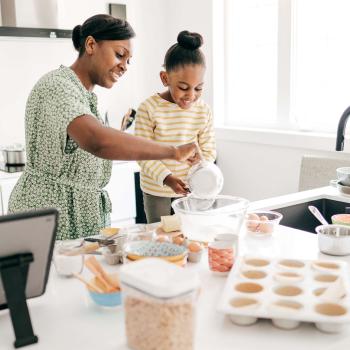
A Recipe for Writing: Fairy Tale Feasts
After examining recipes written based on students' favorite fairy tales, students research a recipe related to their favorite story, book, or fairy tale and include it in a classroom recipe book.