After researching various natural disasters, students share their findings with each other using glogs, or through poster presentations.

Glogging About Natural Disasters

Experiencing Haiku Through Mindfulness, Movement & Music
By being present and mindful on nature walks, students write haiku using vivid sensory language; and explore body movement, music and art as visual and kinesthetic representations of their poetry.
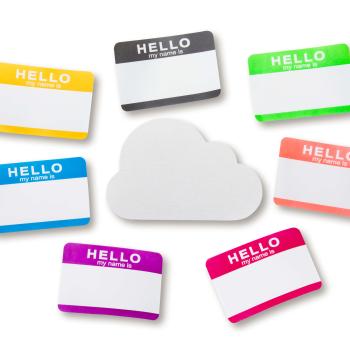
Name Tag Glyphs
In this lesson, students practice a way to communicate without words by using a glyph. They create a name card using information about themselves. Students also interpret glyphs made by others.
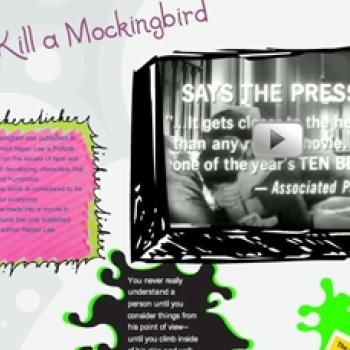
Book Report Alternative: Glog That Book!
In this alternative book report, students identify the elements of fiction in books they have read by creating glogs, interactive multimedia posters, and then share their glogs.
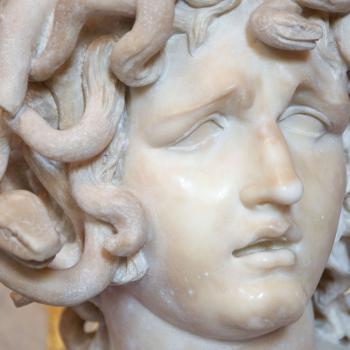
Digitally Telling the Story of Greek Figures
In this lesson students research Greek gods, heroes, and creatures and then share their findings through digital storytelling.
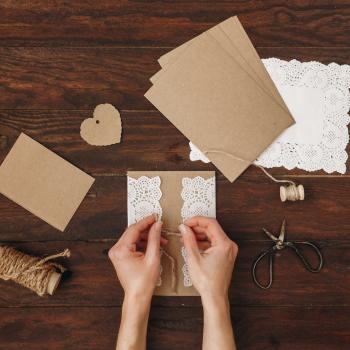
Introducing Basic Media Literacy Education Skills with Greeting Cards
In this lesson, students examine and create holiday/event cards, analyze holiday elements, and create their own. The activities help students focus on the reasons for composing messages as they do.
Authoring an Epilogue That Helps Our Characters Live On
This lesson uses One Green Apple by Eve Bunting to teach how characters change across a text. It will also guide students through writing an epilogue to accompany their independent book.

Designing Elements of Story in Little Blue and Little Yellow
In this series of four lessons, students will explore key elements of design in Little Blue and
Little Yellow to learn about setting, character relationships, and plot.

Literature Response in Primary Classrooms
This step-by-step literature response template for use with read-alouds asks students to use drawing and writing to respond to increasingly-complex prompts which address literary elements as well as personal connections.
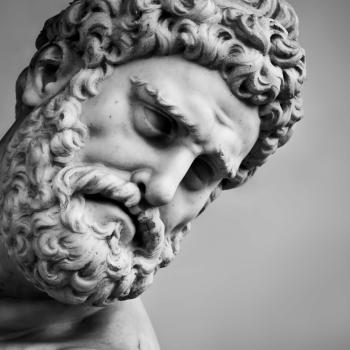
Audience & Purpose: Evaluating Disney's Changes to the Hercules Myth
What drives changes to classic myths and fables? In this lesson students evaluate the changes Disney made to the myth of "Hercules" in order to achieve their audience and purpose.

Boars and Baseball: Making Connections
In this lesson, students will make text-to-self, text-to-text, and text-to-world connections after reading In the Year of the Boar and Jackie Robinson. After sharing and discussing connections, students choose and plan a project that makes a personal connection to the text.

Vocabulary Solutions: A Mixture of Science, Conversation, and Writing
In this lesson, students conduct a science experiment and later discuss the events of the lab during shared writing. Students explain the procedure in their own words and then revise to include content specific vocabulary. Finally, students reflect on new words added to their writing using the Trading Card Creator interactive.

Using Collaborative Reasoning to Support Critical Thinking
Students will participate in Collaborative Reasoning in small groups to discuss and think critically about issues of social justice and diversity by reading current events informational articles.
Writing Acrostic Poems with Thematically Related Texts in the Content Areas
Students read thematically related texts, scaffolded from simple to complex, to help them gather necessary concept vocabulary and background knowledge in a content area. They then write acrostic poems to organize and present their learning in a creative way.
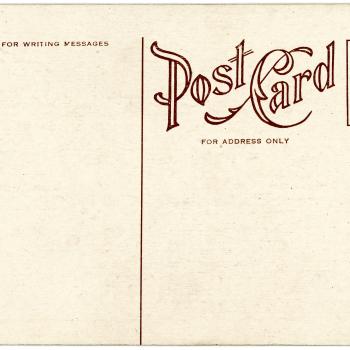
Book Report Alternative: Creating Postcards for Fictional Settings
In this alternative to the traditional book report, students report on their novel choices that feature journeys by creating postcards one of the settings featured in their books.
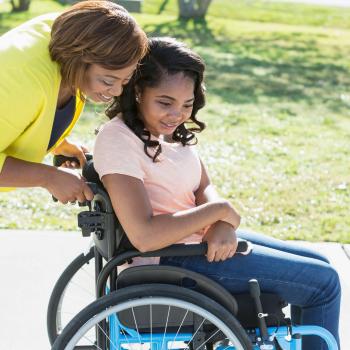
Analyzing First-Person Narration in Sharon Draper's Out of My Mind
Students explore the different facets of complexity in the compelling first-person narrator in Sharon Draper's Out of My Mind.

Captioning the Civil Rights Movement: Reading the Images, Writing the Words
Teachers guide students to carefully view images from the Civil Rights Movement and write captions that accurately describe the images and/or their probable purposes.

Exploring Perspectives on Desegregation Using Brown Girl Dreaming
Students read and discuss a selection of poems from Jacqueline Woodson's Brown Girl Dreaming to explore varying views on the process of desegregation in America.
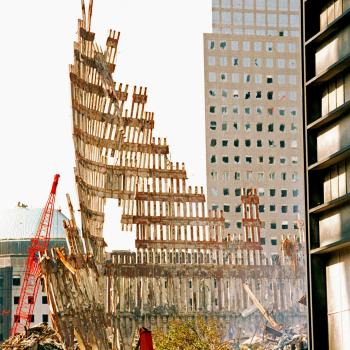
Huge Mistakes that Led to Catastrophe: Learning about Human-made Disasters throughout History
After researching various human-made disasters such as the BP oil spill, the sinking of the Titanic, and the Great Chicago Fire, students share their research in oral presentations. Then students pair up to compare and contrast their disasters using the Venn Diagram Student Interactive or the Venn diagram Mobile App.
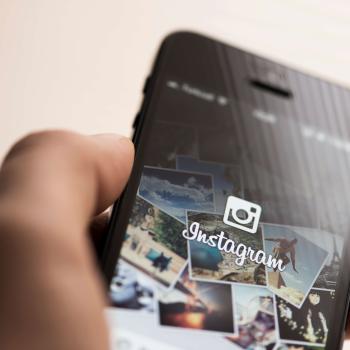
Picture This: Using Instagram to Report
After taking a field trip that students document using mobile app Instagram, students become new reporters as they use the interactive Printing Press to tell about their experiences.