This lesson gives teachers resources and guidance to create reading, listening, computer, and poetry Literacy Centers in their own classrooms.

Literacy Centers: Getting Started
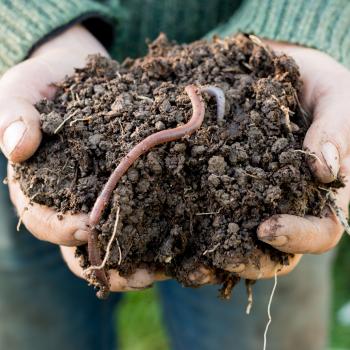
Digging Up Details on Worms: Using the Language of Science in an Inquiry Study
This lesson, in which students research worms in order to create a classroom habitat, incorporates reading and writing across content areas as well as math and science activities.

Comparing Fiction and Nonfiction with "Little Red Riding Hood Text" Sets
Students discuss and compare differing versions of "Little Red Riding Hood" and other tales about wolves in cumulative read-aloud sessions and text set explorations.
Ferocious Fighting Fish: An Ocean Unit Exploring Beginning Word Sounds
Focus students' attention on alliteration in this ocean-themed unit. Students explore alliteration in framing texts then compose their own class book to explore figurative language in their own writing.

Completing the Circle: The Craft of Circular Plot Structure
Students identify, explore and apply the elements of circle plot structures to their own stories by using graphic organizers, reading and writing stories, and using checklists to assess their work.

Exploring Sets through Math-Related Book Pairs
After reading two math-related books, students investigate their home and school environments to find examples of objects that come in sets and then create their own books on sets.
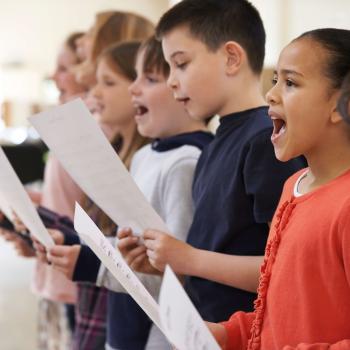
Improving Fluency through Group Literary Performance
Students participate in shared reading, choral reading, and readers theater, using books by Bill Martin, Jr. Repeated readings and literary performances help students with their reading accuracy, expression, and rate.
Writing Poetry with Rebus and Rhyme
This lesson encourages students to use rhyming words to write rebus poetry modeled on rebus books, which substitute pictures for the words that young students cannot yet identify or decode.
Building a Matrix for Leo Lionni Books: An Author Study
In this author study, students listen to and discuss four books by Leo Lionni. They identify similarities and differences in the stories and then compare two stories of their choice.

Literature Response in Primary Classrooms
This step-by-step literature response template for use with read-alouds asks students to use drawing and writing to respond to increasingly-complex prompts which address literary elements as well as personal connections.

Guess What's in the Bag: A Language-based Activity
Students play a guessing game to practice using descriptive language.

Literature Circles with Primary Students Using Self-Selected Reading
Students respond to self-selected books in journals, and talk about their books daily in small groups. The teacher guides students by offering suggestions and writing with them in dialogue journals.

Rosa Parks was born on this day in 1913.
Rosa Parks was committed to the struggle for social justice and human rights until her death, inspiring millions of people around the world. Today, we celebrate her!
Read Across America Day: Celebrate a Nation of Diverse Readers
Bring the celebration of reading and literacy into your classroom, library, school, and home all year long.

Help a Child Choose a Book
Help children pick books that spark their interest, leave them feeling accomplished, and ready to hunt for their next book!
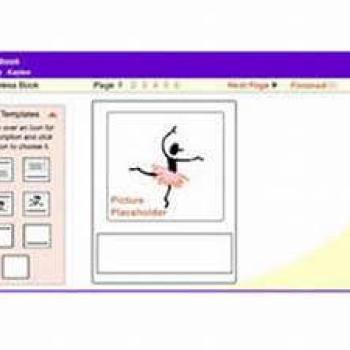
Stapleless Book
The Stapleless Book can be used for taking notes while reading, making picture books, collecting facts, or creating vocabulary booklets . . . the possibilities are endless!

Peer Review
This strategy guide explains how you can employ peer review in your classroom, guiding students as they offer each other constructive feedback to improve their writing and communication skills.
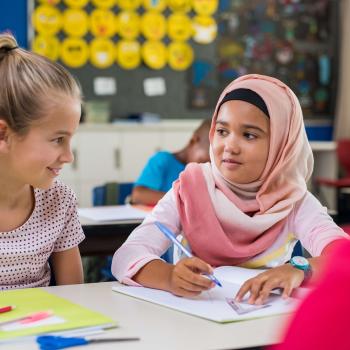
Using Partner Talk to Strengthen Student Collaboration and Understanding
In this strategy guide, you'll learn about Partner Talk—a way to provide students with another learning opportunity to make learning their own through collaboration and discussion.

Using Paired Reading to Increase Fluency and Peer Cooperation
In this strategy, students read aloud to each other, pairing more fluent readers with less fluent readers. This strategy can also be used to pair older students with younger students to create "reading buddies."
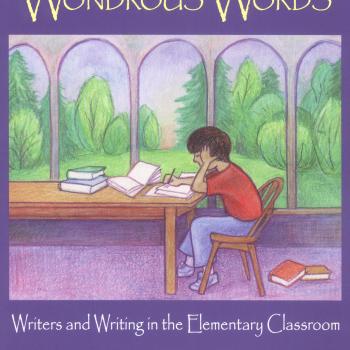
Wondrous Words: Writers and Writing in the Elementary Classroom
Katie Wood Ray explains in practical terms the theoretical underpinnings of how elementary and middle school students learn to write from their reading.