Conversation and cooperation bring out the best in students when they hold dialogues about their individual strengths, abilities, and talents.

Using Children's Literature to Develop Classroom Community

Using Word Storms to Explore Vocabulary and Encourage Critical Thinking
Students learn that dogs are more than just pets in this lesson, which teaches them to use research and vocabulary-acquisition strategies to learn and write about working dogs.

Nature Reflections: Interactive Language Practice for English-Language Learners
Students whose first language is not English reflect on nature through readings, a visit to a green area, and bookmaking using the writing process and peer feedback.
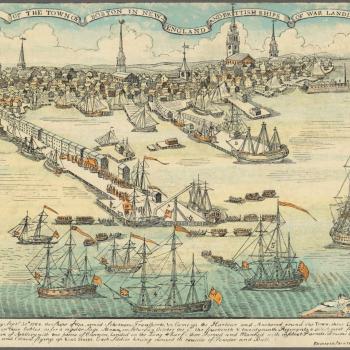
Learning About Research and Writing Using the American Revolution
Students across the board will get a kick out of researching a historical figure from the American Revolution to create an acrostic poem.
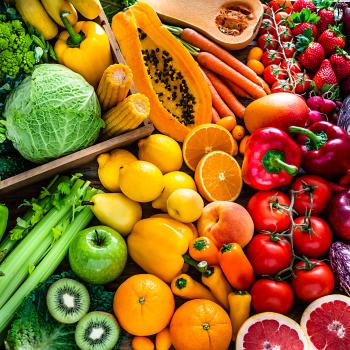
Delicious, Tasty, Yummy: Enriching Writing with Adjectives and Synonyms
Students thoroughly explore identifying synonyms and adjectives before using them to add variety and interest to their own writing.

Dancing Minds and Shouting Smiles: Teaching Personification Through Poetry
Students learn about personification by reading and discussing poems and then brainstorm nouns and verbs to create personification in their own poems.

Inferring How and Why Characters Change
Students will really get into character when they read short stories and analyze the how's and why's of characters' behaviors.
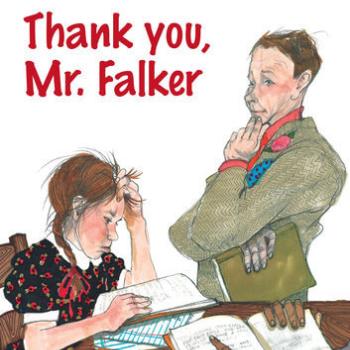
Digging Deeper: Developing Comprehension Using Thank You, Mr. Falker
A read-aloud of Patricia Polacco's Thank You, Mr. Falker helps promote deeper comprehension through questioning to achieve personal connections and discussions of character and theme.

Skimming and Scanning: Using Riddles to Practice Fact Finding Online
Students will learn to skim and scan to make sure they don't flounder when they're surfing the Internet for facts to help them complete riddles about the United States.

Story Elements Alive!
What's in a narrative? Students find out in this lesson in which they explore four narrative elements—setting, characters, problem/solution, and plot, through purpose-driven read-alouds and independent reading.

Reading, Writing, Haiku Hiking! A Class Book of Picturesque Poems
Students learn haiku
write descriptive poems
and share with the class.
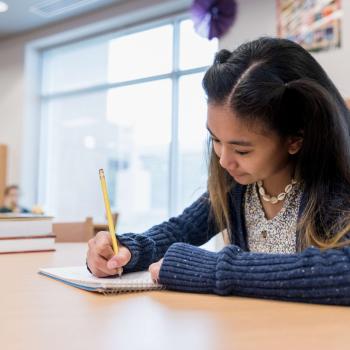
Writers' Workshop: The Biographical Sketch
Students use the faces and places they learn about in their research to write a biography about a contemporary or historical figure.
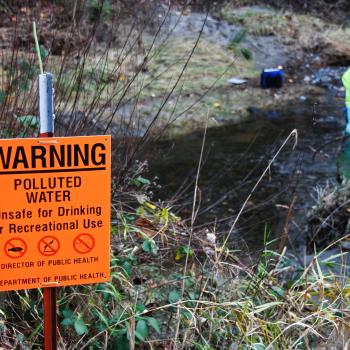
Reading and Writing About Pollution to Understand Cause and Effect
Students get to write a whale of a tale when they complete a graphic organizer sequencing the journey of a mountain fish to a polluted waterway.

Readers Theatre
Students develop scripts, perform, and use their voices to depict characters from texts, giving them the opportunity to develop fluency and further enhance comprehension of what they are reading.

Acquiring New Vocabulary Through Book Discussion Groups
This lesson employs direct instruction and small-group discussion to help students learn new vocabulary skills while reading Patricia Polacco's Pink and Say.

Using Prediction as a Prereading Strategy
Students learn about and apply the prediction strategy while reading a trade book. They use response journals to record questions and responses based on prereading predictions.

QARs + Tables = Successful Comprehension of Math Word Problems
Using census data for an example, students use the question-answer relationship (QAR) strategy to understand and solve word problems that refer to tables and other graphics.

Multimedia Responses to Content Area Topics Using Fact-"Faction"-Fiction
Students climb into the mind of a spider in this lesson that asks them to compose a spider diary using spider facts, fiction, and "faction"fiction that sounds like fact.

Traveling Terrain: Comprehending Nonfiction Text on the Web
Students locate specific information, identify text features of nonfiction text, and write to generalize information on related topics.
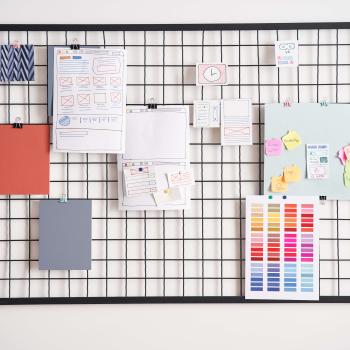
Scaffolding Comprehension Strategies Using Graphic Organizers
Students learn collaborative strategic reading (CSR). During and after reading, students apply four reading strategiespreview, click and clunk, get the gist, and wrap-upand use graphic organizers for scaffolding.