ReadWriteThink - Powered by NCTE
  • About
  • Classroom Resources
    • Lesson Plans
    • Teaching Comics
    • Teaching With Primary Resources
    • Calendar
    • Printouts
    • Student Interactives
  • Collections
    • Assessment
    • Authors
    • Booklists
    • Media Literacy
    • Poetry
    • Primary Sources
    • Writing
  • Professional Development
    • Strategy Guides
    • Professional Library
    • Meetings & Events
  • Join NCTE
  • Contact Us
  • About
  • Classroom Resources
    • Lesson Plans
    • Teaching Comics
    • Teaching With Primary Resources
    • Calendar
    • Printouts
    • Student Interactives
  • Collections
    • Assessment
    • Authors
    • Booklists
    • Media Literacy
    • Poetry
    • Primary Sources
    • Writing
  • Professional Development
    • Strategy Guides
    • Professional Library
    • Meetings & Events
  • Join NCTE
  • Contact Us
  • Facebook
  • Twitter
  • Instagram
  • Pinterest
  • YouTube

Breadcrumb

  1. Home

Type

  • Classroom Resources
  • Professional Development

Grades

  • 1 (52)
  • 2 (51)
  • 4 (99)
  • 5 (104)
  • 6 (104)
  • 7 (102)
  • 8 (109)
  • 9 (110)
  • 10 (108)
  • 11 (107)
  • 12 (107)
  • K (44)
  • (-) 3 (103)

Learning Objectives

  • (-) text structure / story structure (103)
  • collaboration (161)
  • Comprehension (172)
  • critical thinking (216)
  • digital literacy (38)
  • Grammar (16)
  • inquiry / research (123)
  • listening (68)
  • literary analysis (93)
  • Media literacy (51)
  • metacognition (110)
  • multicultural awareness (34)
  • multimodal literacy (69)
  • oral communication (67)
  • phonological awareness (12)
  • print awareness (28)
  • reading fluency (30)
  • reading genres (71)
  • Spelling (14)
  • Vocabulary (66)
  • writing genres (119)
  • writing process (130)

Topics

  • arts
  • careers
  • community
  • drama
  • ELL
  • Family
  • fiction
  • Mathematics
  • Mobile Learning
  • nonfiction
  • poetry
  • science
  • seasons / holidays
  • social action
  • social studies / history
  • Sports
  • STEM
A Musical Prompt: Postcards From the Concert
Grades
3 - 5
|
Lesson Plan
|
Standard Lesson
A Musical Prompt: Postcards From the Concert
Students won't miss a beat in this musical lesson that combines listening with personal response on a postcard.
Grades
3 - 5
|
Lesson Plan
|
Standard Lesson
Developing Inferential Comprehension Through DL-TA and Discussion Webs
Students will love unwrapping this lesson about before, during, and after reading activities based on Margaree King Mitchell's book, Grandaddy's Gift.
Grades
3 - 5
|
Lesson Plan
|
Recurring Lesson
Charting Characters for a More Complete Understanding of the Story
Character Perspective Charting allows students to compare multiple characters and their points of view to better understand a story.

Grades
3 - 5
|
Lesson Plan
|
Unit
Creating a Classroom Newspaper
Students write authentic newspaper stories, including learning about various aspects of newspapers, such as writing an article, online articles, newspaper reading habits, and layout and design techniques.
Grades
3 - 5
|
Lesson Plan
|
Recurring Lesson
Guided Comprehension: Evaluating Using the Meeting of the Minds Technique
Based on the Guided Comprehension Model developed by Maureen McLaughlin and Mary Beth Allen, this lesson introduces students to the strategy of evaluating, using the Meeting of the Minds technique.
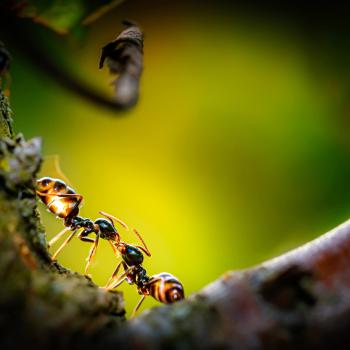
Teaching Point of View With <em>Two Bad Ants</em>
Grades
3 - 5
|
Lesson Plan
|
Standard Lesson
Teaching Point of View With Two Bad Ants
Students will be crawling all over this assignment when they use illustrations and text to learn about life from a bug's point of view.

Using Science Texts to Teach the Organizational Features of Nonfiction
Grades
3 - 5
|
Lesson Plan
|
Standard Lesson
Using Science Texts to Teach the Organizational Features of Nonfiction

Students explore organizational features of nonfiction science. Students then work together to create a two-page spread using those features to present information about their local environment.

A Bad Case of Bullying: Using Literature Response Groups
Grades
3 - 5
|
Lesson Plan
|
Standard Lesson
A Bad Case of Bullying: Using Literature Response Groups
Students learn how to effectively deal with bullying by participating in literature response groups and writing about when they experienced a similar situation or emotion as a fictional character.
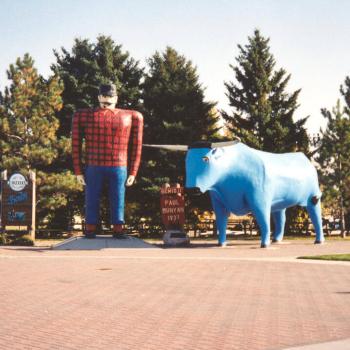
Thundering Tall Tales: Using Read-Aloud as a Springboard to Writing
Grades
3 - 5
|
Lesson Plan
|
Standard Lesson
Thundering Tall Tales: Using Read-Aloud as a Springboard to Writing
Imagination and application are key to this tall tale lesson in which students take what they know about tall tales to spin a yarn of their own.
Pourquoi Stories: Creating Tales to Tell Why
Grades
3 - 5
|
Lesson Plan
|
Standard Lesson
Pourquoi Stories: Creating Tales to Tell Why
Where did the stars come from? What makes lightning and thunder? Pourquoi tales are narratives developed by various cultures around the world to explain natural phenomena. Students study three tales and learn about their cultures of origin, then work cooperatively to write and present an original pourquoi tale.
Poetry Plus! Creating 21st Century Poems with Web Tools
Grades
3 - 5
|
Lesson Plan
|
Minilesson
Poetry Plus! Creating 21st Century Poems with Web Tools
This lesson encourages students to immerse themselves in poetry as they share their original poems orally and digitally with published poets and peers nationwide.

Using Story Innovation to Teach Fluency, Vocabulary, and Structure
Grades
3 - 6
|
Lesson Plan
|
Recurring Lesson
Using Story Innovation to Teach Fluency, Vocabulary, and Structure
An instructional strategy called story innovation teaches students fluency, comprehension, vocabulary, and story structure. This unique strategy can be adapted for many purposes.

Creating a Feast for the Senses With Mentor Texts
Grades
3 - 6
|
Lesson Plan
|
Minilesson
Creating a Feast for the Senses With Mentor Texts
This lesson teaches intermediate students to "use the experts" to learn how to revise to create sharp, sensory-rich experiences for their readers.

Using Word Storms to Explore Vocabulary and Encourage Critical Thinking
Grades
3 - 5
|
Lesson Plan
|
Recurring Lesson
Using Word Storms to Explore Vocabulary and Encourage Critical Thinking
Students learn that dogs are more than just pets in this lesson, which teaches them to use research and vocabulary-acquisition strategies to learn and write about working dogs.

How-To Writing: Motivating Students to Write for a Real Purpose
Grades
3 - 5
|
Lesson Plan
|
Standard Lesson
How-To Writing: Motivating Students to Write for a Real Purpose

It's not easy surviving fourth grade (or third or fifth)! In this lesson, students brainstorm survival tips for future fourth graders and incorporate those tips into an essay.

What's in a Mystery? Exploring and Identifying Mystery Elements
Grades
3 - 5
|
Lesson Plan
|
Standard Lesson
What's in a Mystery? Exploring and Identifying Mystery Elements
Students identify the characteristics of mystery writing, outline a mystery story using a graphic organizer, write and revise their own mystery story, edit each other's work, and share their mysteries.
Inferring How and Why Characters Change
Grades
3 - 5
|
Lesson Plan
|
Standard Lesson
Inferring How and Why Characters Change
Students will really get into character when they read short stories and analyze the how's and why's of characters' behaviors.

The Connection Between Poetry and Music
Grades
3 - 5
|
Lesson Plan
|
Standard Lesson
The Connection Between Poetry and Music
Students won't miss a beat in this reading fluency lesson that combines music and poetry.
Word Study with <em>Henry and Mudge</em>
Grades
K - 3
|
Lesson Plan
|
Standard Lesson
Word Study with Henry and Mudge

Henry and Mudge is used in this lesson to build students' word recognition through rereading, high-frequency word banks, word studies, and writing.

Story Elements Alive!
Grades
3 - 5
|
Lesson Plan
|
Standard Lesson
Story Elements Alive!
What's in a narrative? Students find out in this lesson in which they explore four narrative elements—setting, characters, problem/solution, and plot, through purpose-driven read-alouds and independent reading.

Pagination

  • First page « First
  • Previous page ‹‹
  • Page 1
  • Page 2
  • Page 3
  • Page 4
  • Page 5
  • Page 6
  • Next page ››
  • Last page Last »

Explore Resources by Grade

  • KindergartenK
  • 1-2
  • 3-4
  • 5-6
  • 7-8
  • 9-10
  • 11-12

RWT-logo

Powered By NCTE

Footer 1 Menu

  • About
  • Classroom Resources
  • Professional Development
  • Collections
  • Contact Us

Footer 2 Menu

  • National Council of Teachers of English
  • Contribute to RWT
  • FAQs
  • Join NCTE

Footer 3 Menu

  • Legal Notices
  • Privacy Policy
  • Promotional Materials
  • Site Demonstrations

Want to stay in touch with RWT and NCTE? Sign up here!

  • Facebook
  • Twitter
  • Instagram
  • Pinterest
  • YouTube

© NCTE 2026. All rights reserved
