ReadWriteThink - Powered by NCTE
  • About
  • Classroom Resources
    • Lesson Plans
    • Teaching Comics
    • Teaching With Primary Resources
    • Calendar
    • Printouts
    • Student Interactives
  • Collections
    • Assessment
    • Authors
    • Booklists
    • Media Literacy
    • Poetry
    • Primary Sources
    • Writing
  • Professional Development
    • Strategy Guides
    • Professional Library
    • Meetings & Events
  • Join NCTE
  • Contact Us
  • About
  • Classroom Resources
    • Lesson Plans
    • Teaching Comics
    • Teaching With Primary Resources
    • Calendar
    • Printouts
    • Student Interactives
  • Collections
    • Assessment
    • Authors
    • Booklists
    • Media Literacy
    • Poetry
    • Primary Sources
    • Writing
  • Professional Development
    • Strategy Guides
    • Professional Library
    • Meetings & Events
  • Join NCTE
  • Contact Us
  • Facebook
  • Twitter
  • Instagram
  • Pinterest
  • YouTube

Breadcrumb

  1. Home

Type

  • Classroom Resources
  • Professional Development

Grades

  • 1 (87)
  • 2 (91)
  • 3 (161)
  • 4 (167)
  • 6 (177)
  • 7 (179)
  • 8 (183)
  • 9 (191)
  • 10 (188)
  • 11 (187)
  • 12 (185)
  • K (76)
  • (-) 5 (184)

Learning Objectives

  • (-) collaboration (184)
  • Comprehension (187)
  • critical thinking (270)
  • digital literacy (50)
  • Grammar (19)
  • inquiry / research (150)
  • listening (78)
  • literary analysis (101)
  • Media literacy (71)
  • metacognition (152)
  • multicultural awareness (41)
  • multimodal literacy (91)
  • oral communication (85)
  • phonological awareness (10)
  • print awareness (34)
  • reading fluency (30)
  • reading genres (83)
  • Spelling (14)
  • text structure / story structure (104)
  • Vocabulary (73)
  • writing genres (146)
  • writing process (144)

Topics

  • arts
  • careers
  • community
  • drama
  • ELL
  • Family
  • fiction
  • Mathematics
  • Mobile Learning
  • nonfiction
  • poetry
  • science
  • seasons / holidays
  • social action
  • social studies / history
  • Sports
  • STEM
Using Children's Literature to Develop Classroom Community
Grades
3 - 6
|
Lesson Plan
|
Standard Lesson
Using Children's Literature to Develop Classroom Community
Conversation and cooperation bring out the best in students when they hold dialogues about their individual strengths, abilities, and talents.

Integrating Literacy Into the Study of the Earth's Surface
Grades
3 - 5
|
Lesson Plan
|
Standard Lesson
Integrating Literacy Into the Study of the Earth's Surface
Water covers 71% of the earth's surface—does it get the instructional time it deserves in your busy curriculum? Students wade right in to the study of bodies of water as they read and discuss science trade books and work together to develop Readers Theater scripts based on selected titles.

Using Word Storms to Explore Vocabulary and Encourage Critical Thinking
Grades
3 - 5
|
Lesson Plan
|
Recurring Lesson
Using Word Storms to Explore Vocabulary and Encourage Critical Thinking
Students learn that dogs are more than just pets in this lesson, which teaches them to use research and vocabulary-acquisition strategies to learn and write about working dogs.

How-To Writing: Motivating Students to Write for a Real Purpose
Grades
3 - 5
|
Lesson Plan
|
Standard Lesson
How-To Writing: Motivating Students to Write for a Real Purpose

It's not easy surviving fourth grade (or third or fifth)! In this lesson, students brainstorm survival tips for future fourth graders and incorporate those tips into an essay.

Buzz! Whiz! Bang! Using Comic Books to Teach Onomatopoeia
Grades
3 - 5
|
Lesson Plan
|
Standard Lesson
Buzz! Whiz! Bang! Using Comic Books to Teach Onomatopoeia
This lesson is sure to sizzle, not fizzle, as students use comic strips to find onomatopoetic words, develop a vocabulary list from the words, and discuss why writers use onomatopoeia.

Dancing Minds and Shouting Smiles: Teaching Personification Through Poetry
Grades
3 - 5
|
Lesson Plan
|
Standard Lesson
Dancing Minds and Shouting Smiles: Teaching Personification Through Poetry
Students learn about personification by reading and discussing poems and then brainstorm nouns and verbs to create personification in their own poems.

The Connection Between Poetry and Music
Grades
3 - 5
|
Lesson Plan
|
Standard Lesson
The Connection Between Poetry and Music
Students won't miss a beat in this reading fluency lesson that combines music and poetry.

Grades
3 - 5
|
Lesson Plan
|
Standard Lesson
Skimming and Scanning: Using Riddles to Practice Fact Finding Online
Students will learn to skim and scan to make sure they don't flounder when they're surfing the Internet for facts to help them complete riddles about the United States.

Story Elements Alive!
Grades
3 - 5
|
Lesson Plan
|
Standard Lesson
Story Elements Alive!
What's in a narrative? Students find out in this lesson in which they explore four narrative elements—setting, characters, problem/solution, and plot, through purpose-driven read-alouds and independent reading.

Reading, Writing, Haiku Hiking! A Class Book of Picturesque Poems
Grades
3 - 5
|
Lesson Plan
|
Standard Lesson
Reading, Writing, Haiku Hiking! A Class Book of Picturesque Poems
Students learn haiku write descriptive poems and share with the class.
Using Pictures to Build Schema for Social Studies Content
Grades
3 - 5
|
Lesson Plan
|
Standard Lesson
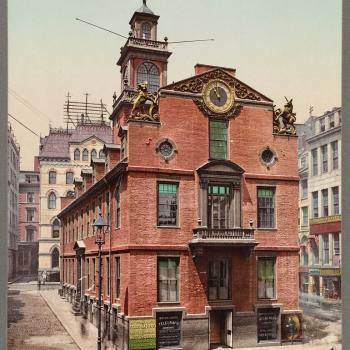
Using Pictures to Build Schema for Social Studies Content
How do you read an image? Students find out in this lesson in which they "read" several images of the Boston Massacre to better understand the event and recognize effects of propaganda.
Developing Searching, Skimming, and Scanning Skills With Internet Bingo
Grades
4 - 8
|
Lesson Plan
|
Standard Lesson
Developing Searching, Skimming, and Scanning Skills With Internet Bingo
Student pairs aim to be the first team to call out "bingo" in this lesson in which they use skimming and scanning to locate information about ancient Greece and Rome.

Spelling Patterns "Go Fish" Card Game
Grades
4 - 8
|
Lesson Plan
|
Standard Lesson
Spelling Patterns "Go Fish" Card Game
Students use sets of words that share a spelling pattern to create a card game like "Go Fish" and then play the game in groups, helping them improve their spelling.
Writers' Workshop: The Biographical Sketch
Grades
3 - 5
|
Lesson Plan
|
Unit
Writers' Workshop: The Biographical Sketch
Students use the faces and places they learn about in their research to write a biography about a contemporary or historical figure.
Zines for Kids: Multigenre Texts About Media Icons
Grades
3 - 5
|
Lesson Plan
|
Unit
Zines for Kids: Multigenre Texts About Media Icons
Special edition! Students use ReadWriteThink tools to create magazines about prominent figures using a variety of writing genres and styles.

Acquiring New Vocabulary Through Book Discussion Groups
Grades
3 - 5
|
Lesson Plan
|
Recurring Lesson
Acquiring New Vocabulary Through Book Discussion Groups

This lesson employs direct instruction and small-group discussion to help students learn new vocabulary skills while reading Patricia Polacco's Pink and Say.
Multimedia Responses to Content Area Topics Using Fact-"Faction"-Fiction
Grades
3 - 5
|
Lesson Plan
|
Standard Lesson
Multimedia Responses to Content Area Topics Using Fact-"Faction"-Fiction

Students climb into the mind of a spider in this lesson that asks them to compose a spider diary using spider facts, fiction, and "faction"—fiction that sounds like fact.

Scaffolding Comprehension Strategies Using Graphic Organizers
Grades
3 - 8
|
Lesson Plan
|
Standard Lesson
Scaffolding Comprehension Strategies Using Graphic Organizers

Students learn collaborative strategic reading (CSR). During and after reading, students apply four reading strategies—preview, click and clunk, get the gist, and wrap-up—and use graphic organizers for scaffolding.

Exploring World Cultures Through Folk Tales
Grades
3 - 5
|
Lesson Plan
|
Standard Lesson
Exploring World Cultures Through Folk Tales
Journey around the world with students as they read a Japanese, African, or Welsh folk tale, create a visual depiction of the tale, research the tale's culture, and present findings.
The Two Voices of the <em>ow</em> Spelling Pattern
Grades
3 - 5
|
Lesson Plan
|
Standard Lesson
The Two Voices of the ow Spelling Pattern
Variable vowels are the focus of this lesson; students use nursery rhymes and ow to study how vowels can change their sounds according to different spelling patterns.

Pagination

  • First page « First
  • Previous page ‹‹
  • …
  • Page 2
  • Page 3
  • Page 4
  • Page 5
  • Page 6
  • Page 7
  • Page 8
  • Page 9
  • Page 10
  • Next page ››
  • Last page Last »

Explore Resources by Grade

  • KindergartenK
  • 1-2
  • 3-4
  • 5-6
  • 7-8
  • 9-10
  • 11-12

RWT-logo

Powered By NCTE

Footer 1 Menu

  • About
  • Classroom Resources
  • Professional Development
  • Collections
  • Contact Us

Footer 2 Menu

  • National Council of Teachers of English
  • Contribute to RWT
  • FAQs
  • Join NCTE

Footer 3 Menu

  • Legal Notices
  • Privacy Policy
  • Promotional Materials
  • Site Demonstrations

Want to stay in touch with RWT and NCTE? Sign up here!

  • Facebook
  • Twitter
  • Instagram
  • Pinterest
  • YouTube

© NCTE 2026. All rights reserved