ReadWriteThink - Powered by NCTE
  • About
  • Classroom Resources
    • Lesson Plans
    • Teaching Comics
    • Teaching With Primary Resources
    • Calendar
    • Printouts
    • Student Interactives
  • Collections
    • Assessment
    • Authors
    • Booklists
    • Media Literacy
    • Poetry
    • Primary Sources
    • Writing
  • Professional Development
    • Strategy Guides
    • Professional Library
    • Meetings & Events
  • Join NCTE
  • Contact Us
  • About
  • Classroom Resources
    • Lesson Plans
    • Teaching Comics
    • Teaching With Primary Resources
    • Calendar
    • Printouts
    • Student Interactives
  • Collections
    • Assessment
    • Authors
    • Booklists
    • Media Literacy
    • Poetry
    • Primary Sources
    • Writing
  • Professional Development
    • Strategy Guides
    • Professional Library
    • Meetings & Events
  • Join NCTE
  • Contact Us
  • Facebook
  • Twitter
  • Instagram
  • Pinterest
  • YouTube

Breadcrumb

  1. Home

Type

  • Classroom Resources
  • Professional Development

Grades

  • 1 (298)
  • 2 (308)
  • 3 (508)
  • 4 (525)
  • 6 (735)
  • 7 (750)
  • 8 (780)
  • 9 (787)
  • 10 (767)
  • 11 (754)
  • 12 (751)
  • K (262)
  • (-) 5 (603)

Learning Objectives

  • collaboration (184)
  • Comprehension (187)
  • critical thinking (270)
  • digital literacy (50)
  • Grammar (19)
  • inquiry / research (150)
  • listening (78)
  • literary analysis (101)
  • Media literacy (71)
  • metacognition (152)
  • multicultural awareness (41)
  • multimodal literacy (91)
  • oral communication (85)
  • phonological awareness (10)
  • print awareness (34)
  • reading fluency (30)
  • reading genres (83)
  • Spelling (14)
  • text structure / story structure (104)
  • Vocabulary (73)
  • writing genres (146)
  • writing process (144)

Topics

  • arts
  • careers
  • community
  • drama
  • ELL
  • Family
  • fiction
  • Mathematics
  • Mobile Learning
  • nonfiction
  • poetry
  • science
  • seasons / holidays
  • social action
  • social studies / history
  • Sports
  • STEM
Grades
3 - 5
|
Lesson Plan
|
Minilesson
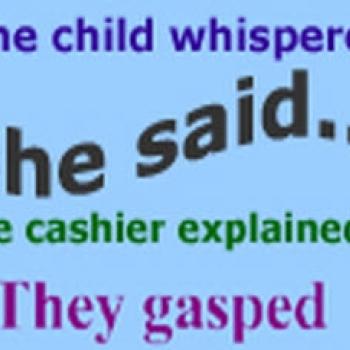
Choosing Clear and Varied Dialogue Tags: A Minilesson
In this minilesson, students explore the use of dialogue tags such as "he said" or "she answered" in picture books and novels, discussing their purpose, form, and style.
Grades
3 - 5
|
Lesson Plan
|
Standard Lesson
Teaching the Compare and Contrast Essay through Modeling
The compare and contrast essay is taught through modeling from the brainstorming phase through the first draft.
Grades
3 - 5
|
Lesson Plan
|
Recurring Lesson
Genre Study: A Collaborative Approach
Students explore multiple genres through genre studies. They record evidence of genre characteristics on bookmarks as they read, and finish by giving a book review for their classmates.
Book Report Alternative: Examining Story Elements Using Story Map Comic Strips
Grades
3 - 5
|
Lesson Plan
|
Standard Lesson
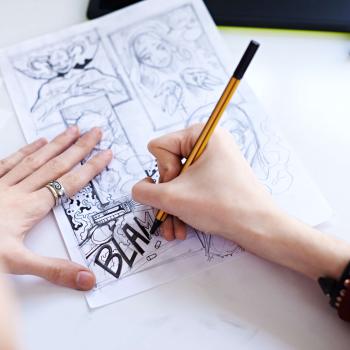
Book Report Alternative: Examining Story Elements Using Story Map Comic Strips
Comic frames are traditionally used to illustrate a story in a short, concise format. In this lesson, students use a six-paneled comic strip frame to create a story map, summarizing a book or story that they've read. Each panel retells a particular detail or explains a literary element (such as setting or character) from the story.

Webcams in the Classroom: Animal Inquiry and Observation
Grades
3 - 5
|
Lesson Plan
|
Recurring Lesson
Webcams in the Classroom: Animal Inquiry and Observation
Students observe animals using one of the many webcams broadcasting from zoos and aquariums around the United States and the world, with a focus on observation, discussion, questioning, and research.
Comics in the Classroom as an Introduction to Narrative Structure
Grades
3 - 5
|
Lesson Plan
|
Standard Lesson
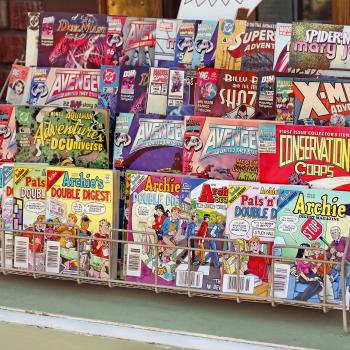
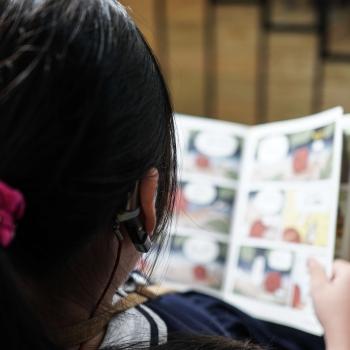
Comics in the Classroom as an Introduction to Narrative Structure
This lesson uses comic strip frames to define plot and reinforce the structure that underlies a narrative. Students finish by writing their own original narratives.
Comics in the Classroom as an Introduction to Genre Study
Grades
3 - 5
|
Lesson Plan
|
Standard Lesson
Comics in the Classroom as an Introduction to Genre Study
Multidimensional, challenging, and popular with students, comics provide an excellent way to introduce the concept of genres.
Story Writing from an Object's Perspective
Grades
4 - 7
|
Lesson Plan
|
Standard Lesson
Story Writing from an Object's Perspective
Students explore writing from non-human perspectives through a picture book read aloud, mini-lesson, collaborative writing, and the writing process. Students create "A Day in the Life of…" story about an inanimate object.
Book Report Alternative: Creating Reading Excitement with Book Trailers
Grades
4 - 12
|
Lesson Plan
|
Standard Lesson
Book Report Alternative: Creating Reading Excitement with Book Trailers
In this alternative to the traditional book report, students create book trailers using Microsoft Photo Story 3, a free downloadable software program for digital storytelling.

Talking Poetry with Blabberize
Grades
4 - 8
|
Lesson Plan
|
Standard Lesson
Talking Poetry with Blabberize

Students will be motivated to share their poetry through an online tool the features recording and animation.

Animate that Haiku!
Grades
5 - 8
|
Lesson Plan
|
Standard Lesson
Animate that Haiku!
Following the traditional form of the haiku, students publish their own haikus using Animoto, an online web tool to produce slideshows that blend text and music.
Glogging About Natural Disasters
Grades
5 - 8
|
Lesson Plan
|
Standard Lesson
Glogging About Natural Disasters
After researching various natural disasters, students share their findings with each other using glogs, or through poster presentations.
Experiencing Haiku Through Mindfulness, Movement & Music
Grades
5 - 8
|
Lesson Plan
|
Unit
Experiencing Haiku Through Mindfulness, Movement & Music
By being present and mindful on nature walks, students write haiku using vivid sensory language; and explore body movement, music and art as visual and kinesthetic representations of their poetry.
Name Tag Glyphs
Grades
2 - 5
|
Lesson Plan
|
Standard Lesson
Name Tag Glyphs
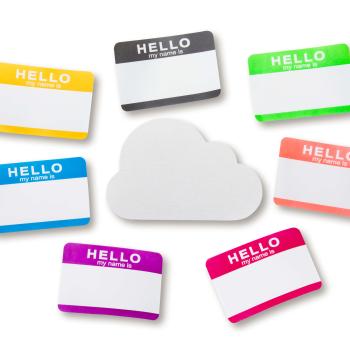
In this lesson, students practice a way to communicate without words by using a glyph. They create a name card using information about themselves. Students also interpret glyphs made by others.
Grades
5 - 8
|
Lesson Plan
|
Standard Lesson
Book Report Alternative: Glog That Book!
In this alternative book report, students identify the elements of fiction in books they have read by creating glogs, interactive multimedia posters, and then share their glogs.
Digitally Telling the Story of Greek Figures
Grades
5 - 8
|
Lesson Plan
|
Standard Lesson
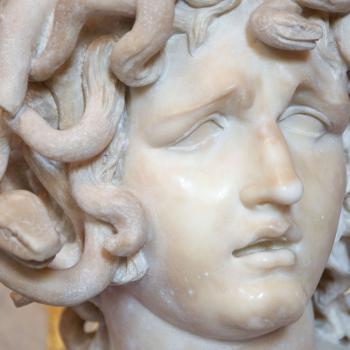
Digitally Telling the Story of Greek Figures
In this lesson students research Greek gods, heroes, and creatures and then share their findings through digital storytelling.

Introducing Basic Media Literacy Education Skills with Greeting Cards
Grades
5 - 6
|
Lesson Plan
|
Standard Lesson
Introducing Basic Media Literacy Education Skills with Greeting Cards
In this lesson, students examine and create holiday/event cards, analyze holiday elements, and create their own. The activities help students focus on the reasons for composing messages as they do.

Authoring an Epilogue That Helps Our Characters Live On
Grades
3 - 5
|
Lesson Plan
|
Standard Lesson
Authoring an Epilogue That Helps Our Characters Live On
This lesson uses One Green Apple by Eve Bunting to teach how characters change across a text. It will also guide students through writing an epilogue to accompany their independent book.
Designing Elements of Story in <i>Little Blue and Little Yellow</i>
Grades
K - 5
|
Lesson Plan
|
Standard Lesson
Designing Elements of Story in Little Blue and Little Yellow
In this series of four lessons, students will explore key elements of design in Little Blue and Little Yellow to learn about setting, character relationships, and plot.
Audience & Purpose: Evaluating Disney's Changes to the Hercules Myth
Grades
5 - 8
|
Lesson Plan
|
Standard Lesson
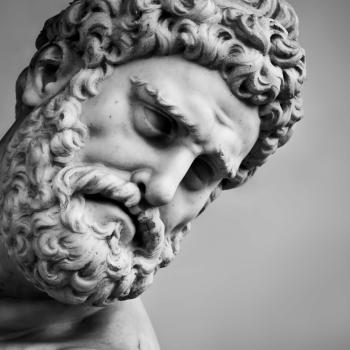
Audience & Purpose: Evaluating Disney's Changes to the Hercules Myth
What drives changes to classic myths and fables? In this lesson students evaluate the changes Disney made to the myth of "Hercules" in order to achieve their audience and purpose.

Pagination

  • First page « First
  • Previous page ‹‹
  • Page 1
  • Page 2
  • Page 3
  • Page 4
  • Page 5
  • Page 6
  • Page 7
  • Page 8
  • Page 9
  • …
  • Next page ››
  • Last page Last »

Explore Resources by Grade

  • KindergartenK
  • 1-2
  • 3-4
  • 5-6
  • 7-8
  • 9-10
  • 11-12

RWT-logo

Powered By NCTE

Footer 1 Menu

  • About
  • Classroom Resources
  • Professional Development
  • Collections
  • Contact Us

Footer 2 Menu

  • National Council of Teachers of English
  • Contribute to RWT
  • FAQs
  • Join NCTE

Footer 3 Menu

  • Legal Notices
  • Privacy Policy
  • Promotional Materials
  • Site Demonstrations

Want to stay in touch with RWT and NCTE? Sign up here!

  • Facebook
  • Twitter
  • Instagram
  • Pinterest
  • YouTube

© NCTE 2026. All rights reserved