ReadWriteThink - Powered by NCTE
  • About
  • Classroom Resources
    • Lesson Plans
    • Teaching Comics
    • Teaching With Primary Resources
    • Calendar
    • Printouts
    • Student Interactives
  • Collections
    • Assessment
    • Authors
    • Booklists
    • Media Literacy
    • Poetry
    • Primary Sources
    • Writing
  • Professional Development
    • Strategy Guides
    • Professional Library
    • Meetings & Events
  • Join NCTE
  • Contact Us
  • About
  • Classroom Resources
    • Lesson Plans
    • Teaching Comics
    • Teaching With Primary Resources
    • Calendar
    • Printouts
    • Student Interactives
  • Collections
    • Assessment
    • Authors
    • Booklists
    • Media Literacy
    • Poetry
    • Primary Sources
    • Writing
  • Professional Development
    • Strategy Guides
    • Professional Library
    • Meetings & Events
  • Join NCTE
  • Contact Us
  • Facebook
  • Twitter
  • Instagram
  • Pinterest
  • YouTube

Breadcrumb

  1. Home

Type

  • (-) Lesson Plan
    • Minilesson
    • Recurring Lesson
    • Standard Lesson
    • Unit

Grades

  • 1 (136)
  • 2 (143)
  • 3 (215)
  • 4 (225)
  • 5 (238)
  • 6 (259)
  • 7 (250)
  • 9 (270)
  • 10 (264)
  • 11 (259)
  • 12 (257)
  • K (127)
  • (-) 8 (254)

Learning Objectives

  • collaboration (96)
  • Comprehension (102)
  • critical thinking (112)
  • digital literacy (54)
  • Grammar (13)
  • inquiry / research (77)
  • listening (23)
  • literary analysis (80)
  • Media literacy (49)
  • metacognition (46)
  • multicultural awareness (20)
  • multimodal literacy (69)
  • oral communication (50)
  • print awareness (9)
  • reading fluency (7)
  • reading genres (41)
  • Spelling (8)
  • text structure / story structure (34)
  • Vocabulary (43)
  • writing genres (80)
  • writing process (100)

Topics

  • arts
  • careers
  • community
  • drama
  • ELL
  • Family
  • fiction
  • Mathematics
  • Mobile Learning
  • nonfiction
  • poetry
  • science
  • seasons / holidays
  • social action
  • social studies / history
  • Sports
  • STEM
What Did George Post Today?  Learning About People of the American Revolution Through Facebook
Grades
6 - 12
|
Lesson Plan
|
Standard Lesson
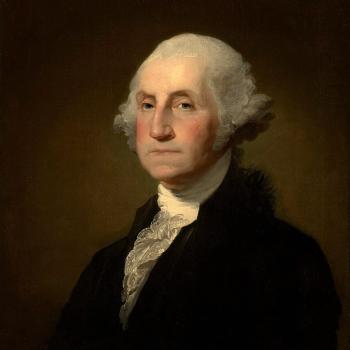
What Did George Post Today? Learning About People of the American Revolution Through Facebook
After researching famous people of the American Revolution, students create Facebook-like PowerPoint presentations to share their knowledge with classmates.
From Text to Film: Exploring Classic Literature Adaptations
Grades
8 - 12
|
Lesson Plan
|
Standard Lesson
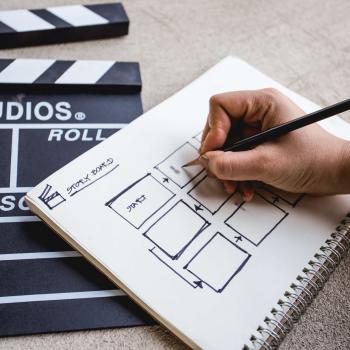
From Text to Film: Exploring Classic Literature Adaptations
Students create storyboards to compare and contrast a book and its film adaptation.
"Licensed" to Drive: Old West Figures
Grades
6 - 10
|
Lesson Plan
|
Standard Lesson
"Licensed" to Drive: Old West Figures
This lesson invites students to create a "Driver's License" for characters that have made a contribution to western expansion in the United States.
Glogging About Natural Disasters
Grades
5 - 8
|
Lesson Plan
|
Standard Lesson
Glogging About Natural Disasters
After researching various natural disasters, students share their findings with each other using glogs, or through poster presentations.
Experiencing Haiku Through Mindfulness, Movement & Music
Grades
5 - 8
|
Lesson Plan
|
Unit
Experiencing Haiku Through Mindfulness, Movement & Music
By being present and mindful on nature walks, students write haiku using vivid sensory language; and explore body movement, music and art as visual and kinesthetic representations of their poetry.
Grades
5 - 8
|
Lesson Plan
|
Standard Lesson
Book Report Alternative: Glog That Book!
In this alternative book report, students identify the elements of fiction in books they have read by creating glogs, interactive multimedia posters, and then share their glogs.
Not Your Usual History Lesson: Writing Historical Markers
Grades
6 - 8
|
Lesson Plan
|
Standard Lesson
Not Your Usual History Lesson: Writing Historical Markers
Students will develop their summarizing skills while learning about local history. They will learn to consider audience while selecting topics, conducting research and interviews, and writing historical markers for their town.
Digitally Telling the Story of Greek Figures
Grades
5 - 8
|
Lesson Plan
|
Standard Lesson
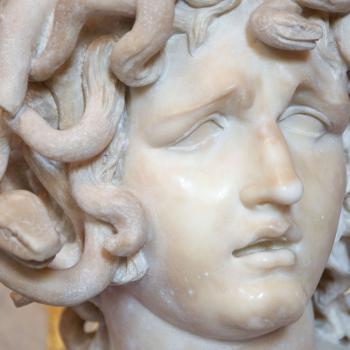
Digitally Telling the Story of Greek Figures
In this lesson students research Greek gods, heroes, and creatures and then share their findings through digital storytelling.
Responding to Tragedy: Then and Now
Grades
8 - 12
|
Lesson Plan
|
Standard Lesson
Responding to Tragedy: Then and Now
After reading several poets' personal responses to the September 11th terrorist attacks, students write a "then and now" poem that puts their early memories of the event in conversation with their current understanding of and response to the tragedy.
Audience & Purpose: Evaluating Disney's Changes to the Hercules Myth
Grades
5 - 8
|
Lesson Plan
|
Standard Lesson
Audience & Purpose: Evaluating Disney's Changes to the Hercules Myth
What drives changes to classic myths and fables? In this lesson students evaluate the changes Disney made to the myth of "Hercules" in order to achieve their audience and purpose.
Active Reading through Self-Assessment: The Student-Made Quiz
Grades
6 - 12
|
Lesson Plan
|
Recurring Lesson
Active Reading through Self-Assessment: The Student-Made Quiz

This recurring lesson encourages students to comprehend their reading through inquiry and collaboration. They choose important quotations from the text and work in groups to formulate "quiz" questions that their peers will answer.

Sí, Se Puede: Making a Difference, One Letter at a Time
Grades
6 - 8
|
Lesson Plan
|
Standard Lesson
Sí, Se Puede: Making a Difference, One Letter at a Time
After reading the book ¡Si, Se Puede!/Yes, We Can!: Janitor Strike in L.A., students learn about labor unions, strikes, and organizing for change. Students interview staff members in their school to learn about their daily work life, and write persuasive advocacy letters.
Writing for Audience: The Revision Process in <i>The Diary of Anne Frank</i>
Grades
6 - 9
|
Lesson Plan
|
Standard Lesson
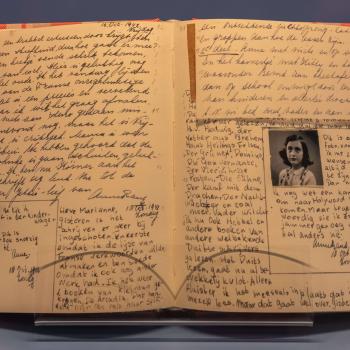
Writing for Audience: The Revision Process in The Diary of Anne Frank
After reading or viewing The Diary of Anne Frank, students will make connections between audience and purpose and revise a journal entry with an outside audience in mind.
Developing Citizenship Through Rhetorical Analysis
Grades
6 - 8
|
Lesson Plan
|
Standard Lesson
Developing Citizenship Through Rhetorical Analysis

Students analyze rhetorical strategies in online editorials, building knowledge of strategies and awareness of local and national issues. This lesson teaches students connections between subject, writer, and audience and how rhetorical strategies are used in everyday writing.

Analyzing First-Person Narration in Sharon Draper's <i>Out of My Mind</i>
Grades
5 - 8
|
Lesson Plan
|
Standard Lesson
Analyzing First-Person Narration in Sharon Draper's Out of My Mind
Students explore the different facets of complexity in the compelling first-person narrator in Sharon Draper's Out of My Mind.

Sharing Information about Careers with Infographics
Grades
6 - 9
|
Lesson Plan
|
Standard Lesson
Sharing Information about Careers with Infographics
Students research careers of their own choosing. Then using Piktochart, students create their own infographics to illustrate their research.
Captioning the Civil Rights Movement: Reading the Images, Writing the Words
Grades
2 - 8
|
Lesson Plan
|
Standard Lesson
Captioning the Civil Rights Movement: Reading the Images, Writing the Words
Teachers guide students to carefully view images from the Civil Rights Movement and write captions that accurately describe the images and/or their probable purposes.
Highlighting Out-of-School Language Expertise with Pop Culture Dictionaries
Grades
6 - 12
|
Lesson Plan
|
Standard Lesson
Highlighting Out-of-School Language Expertise with Pop Culture Dictionaries

Students compose dictionary entries for words and phrases from pop culture texts (e.g., television shows, movies, lyrics, YouTube videos), connecting their definitions to their personal use of the terms.

"Three Stones Back": Using Informational Text to Enhance Understanding of <i>Ball Don't Lie</i>
Grades
8 - 11
|
Lesson Plan
|
Standard Lesson
"Three Stones Back": Using Informational Text to Enhance Understanding of Ball Don't Lie
Students engage in a close reading of a passage from Matt de la Pena's novel Ball Don't Lie before researching important background information to assess the accuracy of the claims made by a character.
Understanding Irony
Grades
8 - 10
|
Lesson Plan
|
Standard Lesson
Understanding Irony
This lesson enables students to define the three types of irony, identify and differentiate among examples of the types of irony, and demonstrate their understanding of each type.

Pagination

  • First page « First
  • Previous page ‹‹
  • Page 1
  • Page 2
  • Page 3
  • Page 4
  • Page 5
  • Page 6
  • Page 7
  • Page 8
  • Page 9
  • …
  • Next page ››
  • Last page Last »

Explore Resources by Grade

  • KindergartenK
  • 1-2
  • 3-4
  • 5-6
  • 7-8
  • 9-10
  • 11-12

RWT-logo

Powered By NCTE

Footer 1 Menu

  • About
  • Classroom Resources
  • Professional Development
  • Collections
  • Contact Us

Footer 2 Menu

  • National Council of Teachers of English
  • Contribute to RWT
  • FAQs
  • Join NCTE

Footer 3 Menu

  • Legal Notices
  • Privacy Policy
  • Promotional Materials
  • Site Demonstrations

Want to stay in touch with RWT and NCTE? Sign up here!

  • Facebook
  • Twitter
  • Instagram
  • Pinterest
  • YouTube

© NCTE 2026. All rights reserved