ReadWriteThink - Powered by NCTE
  • About
  • Classroom Resources
    • Lesson Plans
    • Teaching Comics
    • Teaching With Primary Resources
    • Calendar
    • Printouts
    • Student Interactives
  • Collections
    • Assessment
    • Authors
    • Booklists
    • Media Literacy
    • Poetry
    • Primary Sources
    • Writing
  • Professional Development
    • Strategy Guides
    • Professional Library
    • Meetings & Events
  • Join NCTE
  • Contact Us
  • About
  • Classroom Resources
    • Lesson Plans
    • Teaching Comics
    • Teaching With Primary Resources
    • Calendar
    • Printouts
    • Student Interactives
  • Collections
    • Assessment
    • Authors
    • Booklists
    • Media Literacy
    • Poetry
    • Primary Sources
    • Writing
  • Professional Development
    • Strategy Guides
    • Professional Library
    • Meetings & Events
  • Join NCTE
  • Contact Us
  • Facebook
  • Twitter
  • Instagram
  • Pinterest
  • YouTube

Breadcrumb

  1. Home

Type

  • Classroom Resources
  • Professional Development

Grades

  • 1 (27)
  • 2 (27)
  • 3 (50)
  • 4 (53)
  • 5 (60)
  • 6 (72)
  • 7 (78)
  • 8 (88)
  • 10 (87)
  • 11 (85)
  • 12 (85)
  • K (24)
  • (-) 9 (89)

Learning Objectives

  • (-) Grammar (20)
  • (-) multicultural awareness (70)
  • collaboration (191)
  • Comprehension (214)
  • critical thinking (379)
  • digital literacy (79)
  • inquiry / research (166)
  • listening (85)
  • literary analysis (206)
  • Media literacy (137)
  • metacognition (193)
  • multimodal literacy (146)
  • oral communication (106)
  • phonological awareness (4)
  • print awareness (38)
  • reading fluency (11)
  • reading genres (157)
  • Spelling (5)
  • text structure / story structure (110)
  • Vocabulary (55)
  • writing genres (197)
  • writing process (172)

Topics

  • arts
  • community
  • drama
  • ELL
  • Family
  • fiction
  • Mathematics
  • nonfiction
  • poetry
  • science
  • seasons / holidays
  • social action
  • social studies / history
  • Sports
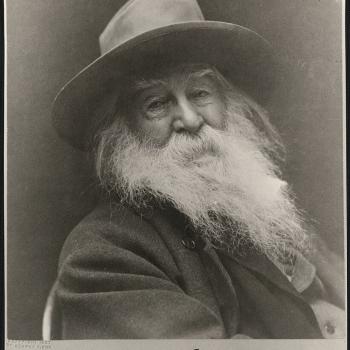
Walt Whitman as a Model Poet: "I Hear My School Singing"
Grades
9 - 12
|
Lesson Plan
|
Standard Lesson
Walt Whitman as a Model Poet: "I Hear My School Singing"
Students first analyze Walt Whitman's "I Hear America Singing," then use Whitman's poem as a model as they create their own list poems.
Exploring Language and Identity: Amy Tan's "Mother Tongue" and Beyond
Grades
9 - 12
|
Lesson Plan
|
Standard Lesson
Exploring Language and Identity: Amy Tan's "Mother Tongue" and Beyond
Students explore the idea of "different Englishes" by reading Amy Tan's "Mother Tongue" and writing literacy narratives about their own use of different language for different audiences and purposes.
Grades
9 - 12
|
Lesson Plan
|
Unit
Heroes Are Made of This: Studying the Character of Heroes
Designed to explore the hero and the heroic in literature, this unit asks students to discuss their ideas of heroism and analyze heroes in literature.

Grades
9 - 12
|
Lesson Plan
|
Minilesson
Choosing the Best Verb: An Active and Passive Voice Minilesson
Students explore how active and passive voices are appropriate to different audiences. They examine online resources, and then draw conclusions about verb use, which they apply to their own writing.

Teaching the Epic through Ghost Stories
Grades
9 - 12
|
Lesson Plan
|
Standard Lesson
Teaching the Epic through Ghost Stories
In this lesson, students connect to the oral tradition of epic storytellers by sharing their own oral tales of ghosts and goblins and monsters.

Grades
9 - 12
|
Lesson Plan
|
Standard Lesson
Avoiding Sexist Language by Using Gender-Fair Pronouns
Students engage in a brief writing assignment that concretely illustrates how language and gender stereotyping interact causally.
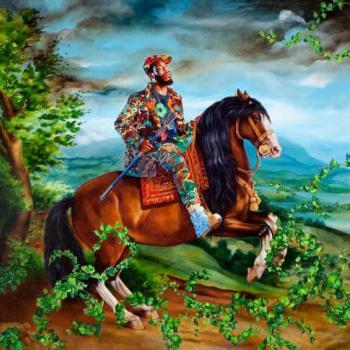
Locating Purpose in Allusion through Art and Poetry
Grades
9 - 12
|
Lesson Plan
|
Standard Lesson
Locating Purpose in Allusion through Art and Poetry
Through this lesson, students will learn how to use the literary term "allusion" in discussing how and why authors and artists draw on and transform subject material.

Grades
6 - 10
|
Lesson Plan
|
Standard Lesson
Blending the Past with Today's Technology: Using Prezi to Prepare for Historical Fiction
To prepare for literature circles featuring historical novels, students research the decades of the 1930s to the 1990s and share their information using Prezi, a web application for creating multimedia presentations.
Breaking the Rules with Sentence Fragments
Grades
9 - 12
|
Lesson Plan
|
Standard Lesson
Breaking the Rules with Sentence Fragments
Though teachers usually caution students against using sentence fragments, Edgar Schuster's work demonstrates that professional writers often use fragments effectively. This lesson helps students understand that there are reasons that they can and should use sentence fragments to become effective writers.

The Passion of Punctuation
Grades
9 - 12
|
Lesson Plan
|
Unit
The Passion of Punctuation
Using published writers' texts and students' own writing, this unit explores emotions that are associated with the artful and deliberate use of commas, semicolons, colons, and exclamation points (end-stop marks of punctuation).
Reading Shakespeare's <i>The Tempest</i> through a Postcolonial Lens
Grades
9 - 12
|
Lesson Plan
|
Unit
Reading Shakespeare's The Tempest through a Postcolonial Lens
Students take a postcolonial perspective on the portrayal of Caliban from Shakespeare's The Tempest by comparing it to a modern adaptation of the play.
Style-Shifting: Examining and Using Formal and Informal Language Styles
Grades
9 - 12
|
Lesson Plan
|
Standard Lesson
Style-Shifting: Examining and Using Formal and Informal Language Styles
Students observe how language features vary when shifting from an informal to a formal style or vice versa. By engaging in style shifting in both speech and writing, students become aware of how we all change language styles depending on the contexts in which we are speaking or writing.
Exploring Perspectives on Desegregation Using <i>Brown Girl Dreaming</i>
Grades
5 - 9
|
Lesson Plan
|
Standard Lesson
Exploring Perspectives on Desegregation Using Brown Girl Dreaming
Students read and discuss a selection of poems from Jacqueline Woodson's Brown Girl Dreaming to explore varying views on the process of desegregation in America.
From Quantitative to Qualitative: Writing Descriptions of Data From Tables
Grades
9 - 12
|
Lesson Plan
|
Standard Lesson
From Quantitative to Qualitative: Writing Descriptions of Data From Tables
Students develop quantitative reasoning and critical thinking by analyzing descriptions tables for content, language, and organization with a particular focus on verb tense selection, and then writing descriptions of tables themselves.
Rosa Parks was born on this day in 1913.
Grades
K - 12
|
Calendar Activity
|
Historical Figure & Event
Rosa Parks was born on this day in 1913.
Rosa Parks was committed to the struggle for social justice and human rights until her death, inspiring millions of people around the world. Today, we celebrate her!
ReadAcrossAmerica
Grades
K - 12
|
Calendar Activity
|
Literacy-Related Event
Read Across America Day: Celebrate a Nation of Diverse Readers

Bring the celebration of reading and literacy into your classroom, library, school, and home all year long.
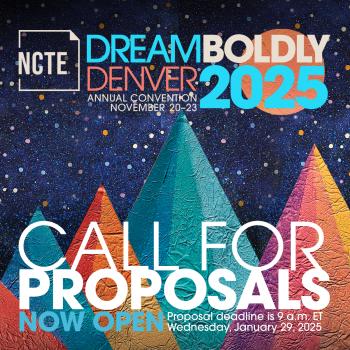
NCTE25CFP
Grades
K - 12
|
Meeting & Event
|
Convention
2025 NCTE Annual Convention

Each November thousands of literacy educators from across the country make the journey to a Convention that inspires their practice and rejuvenates their profession.
Analyzing Grammar Rants: An Alternative to Traditional Grammar Instruction
Grades
8 - 12
|
Professional Library
|
Journal
Analyzing Grammar Rants: An Alternative to Traditional Grammar Instruction
Kenneth Lindblom and Patricia A. Dunn teach language awareness and use through published complaints about the teaching of grammar. Students are able to recognize issues of race and class that determine acceptable usage and learn the importance of audience in their own language use.
Grades
6 - 12
|
International Books for Teens

In this episode, you'll hear about books in a range of genres that give teens insight into the social and political conditions young people face around the globe. Together they offer a sustained look at war, poverty, and the struggle for human rights, but they also speak volumes about ordinary people and their capacity for hope and resilience.

Grades
6 - 12
|
Latino Literature for Teens

All readers want to see themselves reflected in the pages of books. Works of Latino literature for teens focus on the experiences of young people from Spanish-speaking countries and cultures. In honor of El Día de los Niños, tune in to hear about a variety of books that celebrate the Latino cultural experience in literature.

Pagination

  • Page 1
  • Page 2
  • Page 3
  • Page 4
  • Page 5
  • Next page ››
  • Last page Last »

Explore Resources by Grade

  • KindergartenK
  • 1-2
  • 3-4
  • 5-6
  • 7-8
  • 9-10
  • 11-12

RWT-logo

Powered By NCTE

Footer 1 Menu

  • About
  • Classroom Resources
  • Professional Development
  • Collections
  • Contact Us

Footer 2 Menu

  • National Council of Teachers of English
  • Contribute to RWT
  • FAQs
  • Join NCTE

Footer 3 Menu

  • Legal Notices
  • Privacy Policy
  • Promotional Materials
  • Site Demonstrations

Want to stay in touch with RWT and NCTE? Sign up here!

  • Facebook
  • Twitter
  • Instagram
  • Pinterest
  • YouTube

© NCTE 2026. All rights reserved