Students explore the idea of "different Englishes" by reading Amy Tan's "Mother Tongue" and writing literacy narratives about their own use of different language for different audiences and purposes.

Exploring Language and Identity: Amy Tan's "Mother Tongue" and Beyond

Draft Letters: Improving Student Writing through Critical Thinking
Draft letters ask students to think critically about their writing on a specific assignment before submitting their work to a reader. This lesson explains and provides models for the strategy.

Put That on the List: Independently Writing a Catalog Poem
In this follow-up to writing collaborative catalog poems, students write individual catalog poems about what really matters in their lives, based on Carver's poem "The Car."

Put That on the List: Collaboratively Writing a Catalog Poem
Using the structure of a list poem, students combine creative expression with poetic techniques and language exploration in order to write group poems about what really matters in their lives.
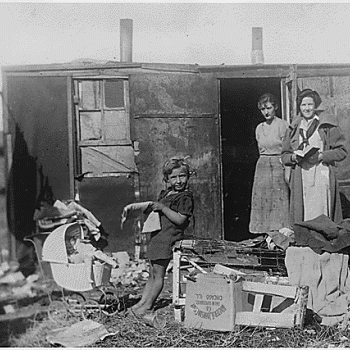
Designing Museum Exhibits for The Grapes of Wrath: A Multigenre Project
Using The Grapes of Wrath as a backdrop, students conduct research on issues that the novel addresses, publishing their findings in a multigenre museum exhibit.

So What Do You Think? Writing a Review
Writing a review of an author's work challenges students to develop their critical thinking skills. It provides an opportunity for students to speak their mindsand to enjoy being heard.

Paying Attention to Technology: Reviewing a Technology
Students read and analyze technology reviews to establish the characteristics of the genre. They then compose their own reviews on a technology of their choice.
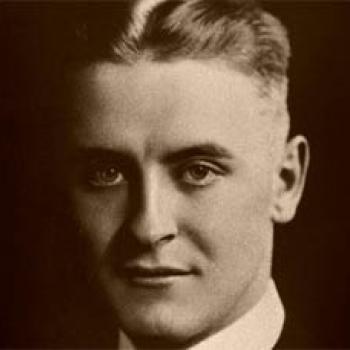
Connotation, Character, and Color Imagery in The Great Gatsby
Students explore the connotations of the colors associated with the characters in F. Scott Fitzgerald's The Great Gatsby.
Discovering Traditional Sonnet Forms
Students read sonnets, charting the poems' characteristics and using their observations to deduce traditional sonnet forms. They then write original sonnets, using a poem they have analyzed as a model.

A Significant Influence: Describing an Important Teacher in Your Life
In this project, students write tributes to teachers who have made a profound difference in their lives then publish their work in a class collection.

Exploring Satire with Shrek
The movie Shrek introduces the satirical techniques of exaggeration, incongruity, reversal, and parody. Students brainstorm fairy tale characteristics, identify satirical techniques, then create their own satirical versions of fairy tales.

Reader Response in Hypertext: Making Personal Connections to Literature
Students write a narrative of place, a character sketch, an extended metaphor poem and a persuasive essay then link all four texts to quotations they have selected from a novel.

The Year I Was Born: An Autobiographical Research Project
Students explore the year they were born through interviews and research, and then weave the details into a newspaper or booklet, written from another person's point of view.

A Case for Reading - Examining Challenged and Banned Books
Students examine books, selected from the American Library Association Challenged/Banned Books list, and write persuasive pieces expressing their views about what should be done with the books at their school.

Freedom of Speech and Automatic Language: Examining the Pledge of Allegiance
This lesson has students explore freedom of speech by examining the Pledge of Allegiance from a historical and personal perspective and in relationship to fictional situations in novels.

Exploring Literature through Letter-Writing Groups
Students discuss literature through a series of letter exchanges, as a one-time assignment or throughout the year with the students discussing, and making connections among, a number of literary works.

Paying Attention to Technology: Writing Technology Autobiographies
This lesson plan asks students to pay attention to the technologies they use. They graphically map their interactions with technology and compose narratives of their most significant interactions with technology.

Choosing the Best Verb: An Active and Passive Voice Minilesson
Students explore how active and passive voices are appropriate to different audiences. They examine online resources, and then draw conclusions about verb use, which they apply to their own writing.
Weaving the Multigenre Web
Students analyze the elements of a novel in many different genres and then hyperlink these pieces together on student-constructed Websites.
Unlocking the Underlying Symbolism and Themes of a Dramatic Work
This lesson plan invites students to consider characters from Lorraine Hansberry's A Raisin in the Sun. Students explore a selected character and write poems about objects associated with that character.