ReadWriteThink - Powered by NCTE
  • About
  • Classroom Resources
    • Lesson Plans
    • Teaching Comics
    • Teaching With Primary Resources
    • Calendar
    • Printouts
    • Student Interactives
  • Collections
    • Assessment
    • Authors
    • Booklists
    • Media Literacy
    • Poetry
    • Primary Sources
    • Writing
  • Professional Development
    • Strategy Guides
    • Professional Library
    • Meetings & Events
  • Join NCTE
  • Contact Us
  • About
  • Classroom Resources
    • Lesson Plans
    • Teaching Comics
    • Teaching With Primary Resources
    • Calendar
    • Printouts
    • Student Interactives
  • Collections
    • Assessment
    • Authors
    • Booklists
    • Media Literacy
    • Poetry
    • Primary Sources
    • Writing
  • Professional Development
    • Strategy Guides
    • Professional Library
    • Meetings & Events
  • Join NCTE
  • Contact Us
  • Facebook
  • Twitter
  • Instagram
  • Pinterest
  • YouTube

Breadcrumb

  1. Home

Type

  • Classroom Resources
  • Professional Development

Grades

  • 1 (298)
  • 2 (308)
  • 3 (508)
  • 4 (525)
  • 5 (603)
  • 6 (735)
  • 7 (750)
  • 8 (780)
  • 9 (787)
  • 10 (767)
  • 12 (751)
  • K (262)
  • (-) 11 (754)

Learning Objectives

  • collaboration (187)
  • Comprehension (211)
  • critical thinking (367)
  • digital literacy (76)
  • Grammar (18)
  • inquiry / research (161)
  • listening (80)
  • literary analysis (204)
  • Media literacy (132)
  • metacognition (187)
  • multicultural awareness (68)
  • multimodal literacy (134)
  • oral communication (101)
  • phonological awareness (4)
  • print awareness (35)
  • reading fluency (11)
  • reading genres (154)
  • Spelling (5)
  • text structure / story structure (107)
  • Vocabulary (54)
  • writing genres (187)
  • writing process (162)

Topics

  • arts
  • careers
  • community
  • drama
  • ELL
  • Family
  • fiction
  • Mathematics
  • Mobile Learning
  • nonfiction
  • poetry
  • science
  • seasons / holidays
  • social action
  • social studies / history
  • Sports
  • STEM
Grades
9 - 12
|
Lesson Plan
|
Standard Lesson
Unlocking the Underlying Symbolism and Themes of a Dramatic Work
This lesson plan invites students to consider characters from Lorraine Hansberry's A Raisin in the Sun. Students explore a selected character and write poems about objects associated with that character.
Grades
9 - 12
|
Lesson Plan
|
Standard Lesson
Spend a Day in My Shoes: Exploring the Role of Perspective in Narrative
In this lesson, students imagine spending a day in someone else's shoes. After reviewing the characteristics of narrative writing, they then write narratives from that person's point of view.

Exploring the Power of Martin Luther King, Jr.'s Words through Diamante Poetry
Grades
9 - 12
|
Lesson Plan
|
Standard Lesson
Exploring the Power of Martin Luther King, Jr.'s Words through Diamante Poetry

Students explore the ways that powerful and passionate words communicate the concepts of freedom, justice, discrimination, and the American Dream in Martin Luther King, Jr.'s "I Have a Dream" speech.

Grades
9 - 12
|
Lesson Plan
|
Minilesson
Is a Sentence a Poem?
Students use their own poetry to analyze syntax, imagery, and meaning in a one-sentence poem by a canonical author to decide what makes it a poem.
Ghosts and Fear in Language Arts: Exploring the Ways Writers Scare Readers
Grades
9 - 12
|
Lesson Plan
|
Standard Lesson
Ghosts and Fear in Language Arts: Exploring the Ways Writers Scare Readers
Students analyze scary stories to 'break the code" of horror writing and use what they learn to write scary stories of their own.

Teaching the Epic through Ghost Stories
Grades
9 - 12
|
Lesson Plan
|
Standard Lesson
Teaching the Epic through Ghost Stories
In this lesson, students connect to the oral tradition of epic storytellers by sharing their own oral tales of ghosts and goblins and monsters.
Style: Translating Stylistic Choices from Hawthorne to Hemingway and Back Again
Grades
9 - 12
|
Lesson Plan
|
Standard Lesson
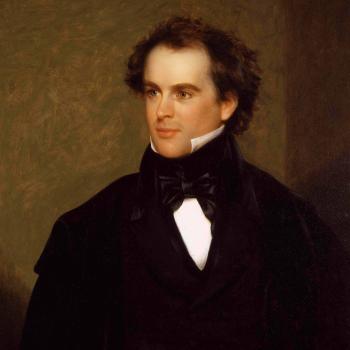
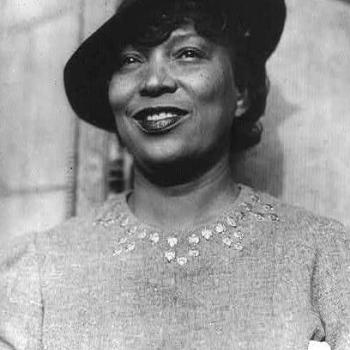
Style: Translating Stylistic Choices from Hawthorne to Hemingway and Back Again
After exploring the styles of two authors, students translate passages from one author into the style of another. They then translate fables into the style of one of the authors.
Style: Defining and Exploring an Author's Stylistic Choices
Grades
9 - 12
|
Lesson Plan
|
Standard Lesson
Style: Defining and Exploring an Author's Stylistic Choices
Students find examples of specific stylistic devices in sample literary passages then search for additional examples and explore the reasons for the stylistic choices that the author has made.

Graffiti Wall: Discussing and Responding to Literature Using Graphics
Grades
9 - 12
|
Lesson Plan
|
Standard Lesson
Graffiti Wall: Discussing and Responding to Literature Using Graphics
Tap students' desires to doodle and draw by having them create a Graffiti Wall, using graphics to discuss a piece of literature that has been read by the whole class.
Grades
9 - 12
|
Lesson Plan
|
Standard Lesson
Comic Makeovers: Examining Race, Class, Ethnicity, and Gender in the Media
Students explore stereotypes in the media and representations of race, class, ethnicity, and gender by analyzing comics over a two-week period and then re-envisioning them with a "comic character makeover."

Grades
9 - 12
|
Lesson Plan
|
Standard Lesson
Avoiding Sexist Language by Using Gender-Fair Pronouns
Students engage in a brief writing assignment that concretely illustrates how language and gender stereotyping interact causally.

Novel News: Broadcast Coverage of Character, Conflict, Resolution, and Setting
Grades
9 - 12
|
Lesson Plan
|
Standard Lesson
Novel News: Broadcast Coverage of Character, Conflict, Resolution, and Setting
This twist on readers theater has students prepare original news programs based on incidents in a recent reading, as they explore standard literary elements of character, conflict, resolution, and setting.

Book Report Alternative: Characters for Hire! Studying Character in Drama
Grades
9 - 12
|
Lesson Plan
|
Standard Lesson
Book Report Alternative: Characters for Hire! Studying Character in Drama
In this alternative to the traditional book report, students respond to a play they have read by creating a resume for one of its characters.

Name That Chapter! Discussing Summary and Interpretation Using Chapter Titles
Grades
9 - 12
|
Lesson Plan
|
Standard Lesson
Name That Chapter! Discussing Summary and Interpretation Using Chapter Titles
Students name unnamed chapters in a novel they are reading. They discuss possible chapter names, considering accuracy, word choice, and connotation, before settling on a choice.
Varying Views of America
Grades
9 - 12
|
Lesson Plan
|
Standard Lesson
Varying Views of America
Students work together to analyze three poems about America with varying points of view.
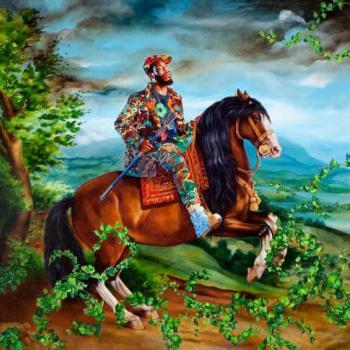
Locating Purpose in Allusion through Art and Poetry
Grades
9 - 12
|
Lesson Plan
|
Standard Lesson
Locating Purpose in Allusion through Art and Poetry
Through this lesson, students will learn how to use the literary term "allusion" in discussing how and why authors and artists draw on and transform subject material.
An Introduction to <i>Julius Caesar</i> Using Multiple-Perspective Universal Theme Analysis
Grades
9 - 12
|
Lesson Plan
An Introduction to Julius Caesar Using Multiple-Perspective Universal Theme Analysis

This resource is an introduction to William Shakespeare's tragic play, The Tragedy of Julius Caesar, through the study of universal themes using multiple-perspective investigations of betrayal scenarios.

Making History Come Alive Through Poetry and Song
Grades
6 - 12
|
Lesson Plan
|
Standard Lesson
Making History Come Alive Through Poetry and Song

Students compare the sinking of the Edmund Fitzgerald with the song, "The Wreck of the Edmund Fitzgerald," then create their own poetry about a historical event.

Picture This: Student Created Online Vocabulary Flashcards
Grades
7 - 12
|
Lesson Plan
|
Standard Lesson
Picture This: Student Created Online Vocabulary Flashcards
Let the students be the vocabulary experts! Prior to whole class instruction, students create online flashcards and teach the class the new vocabulary.
Chasing the Dream: Researching the Meaning of the American Dream
Grades
9 - 12
|
Lesson Plan
|
Standard Lesson
Chasing the Dream: Researching the Meaning of the American Dream
By conducting interviews, sharing and assessing data, and writing papers based on their authentic research, students reach their own conclusions on the meaning of the American Dream.

Pagination

  • First page « First
  • Previous page ‹‹
  • …
  • Page 2
  • Page 3
  • Page 4
  • Page 5
  • Page 6
  • Page 7
  • Page 8
  • Page 9
  • Page 10
  • …
  • Next page ››
  • Last page Last »

Explore Resources by Grade

  • KindergartenK
  • 1-2
  • 3-4
  • 5-6
  • 7-8
  • 9-10
  • 11-12

RWT-logo

Powered By NCTE

Footer 1 Menu

  • About
  • Classroom Resources
  • Professional Development
  • Collections
  • Contact Us

Footer 2 Menu

  • National Council of Teachers of English
  • Contribute to RWT
  • FAQs
  • Join NCTE

Footer 3 Menu

  • Legal Notices
  • Privacy Policy
  • Promotional Materials
  • Site Demonstrations

Want to stay in touch with RWT and NCTE? Sign up here!

  • Facebook
  • Twitter
  • Instagram
  • Pinterest
  • YouTube

© NCTE 2026. All rights reserved