In this alternative to the traditional book report, students create book trailers using Microsoft Photo Story 3, a free downloadable software program for digital storytelling.

Book Report Alternative: Creating Reading Excitement with Book Trailers

Book Report Alternative: Rewind the Plot!
In this alternative to the traditional book report, students report on their novel choices by rewinding the plot.

Prove It!: A Citation Scavenger Hunt
Students are challenged to find citations that support details about the characters, plot, or themes from a text.

Vote for Me! Making Presidential Commercials Using Avatars
After researching political platforms of past presidents through primary sources and other resources, students create commercials for these presidents using Voki, an online web tool that produces speaking avatars.

Book Report Alternative: Getting Acquainted with Farcebook
In this alternative to the traditional book report, students report on their novel choices using Facebook-like pages.

Defining Moments: Charting Character Evolution in Lord of the Flies
Savagery, treachery, lost innocence... Lord of the Flies is rife with character development. Use this lesson to help students chart the character changes of Ralph and Jack, both in groups and individually.
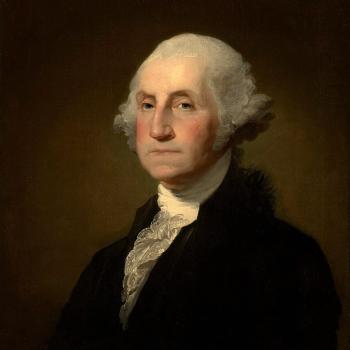
What Did George Post Today? Learning About People of the American Revolution Through Facebook
After researching famous people of the American Revolution, students create Facebook-like PowerPoint presentations to share their knowledge with classmates.

From Text to Film: Exploring Classic Literature Adaptations
Students create storyboards to compare and contrast a book and its film adaptation.

Breaking the Rules with Sentence Fragments
Though teachers usually caution students against using sentence fragments, Edgar Schuster's work demonstrates that professional writers often use fragments effectively. This lesson helps students understand that there are reasons that they can and should use sentence fragments to become effective writers.

Life is Beautiful: Teaching the Holocaust through Film with Complementary Texts
After students have read a book about the Holocaust, such as The Diary of Anne Frank or Night by Elie Wiesel, students will view Life is Beautiful and complete discussion questions to challenge their ability to analyze literature using film.
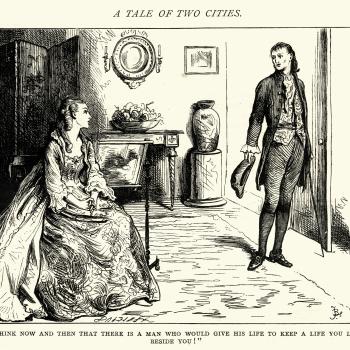
A Tale of a Few Text Messages: A Character Study of A Tale of Two Cities
Students use A Tale of Two Cities to explore relationships, plot points, character traits, and background by writing text messages between characters within the novel.

The Passion of Punctuation
Using published writers' texts and students' own writing, this unit explores emotions that are associated with the artful and deliberate use of commas, semicolons, colons, and exclamation points (end-stop marks of punctuation).
Responding to Tragedy: Then and Now
After reading several poets' personal responses to the September 11th terrorist attacks, students write a "then and now" poem that puts their early memories of the event in conversation with their current understanding of and response to the tragedy.
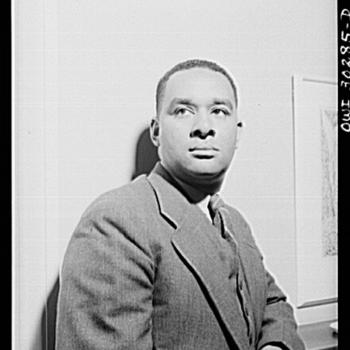
Demonstrating Understanding of Richard Wright's Rite of Passage
Students use the elements of persuasion for a specific audience to demonstrate their understanding of Richard Wright's accessible and engaging coming-of-age novel, Rite of Passage.

Professional Writing in Action! Publishing Student Reviews Online
Writing professional reviews teaches students to understand audience, content, and publication guidelines. In this lesson, students put these into practice as professional writers critiquing, designing, and publishing reviews on Amazon.com.

Storyboarding the Transformation from Dr. Jekyll into Mr. Hyde
Students imagine and storyboard their own vision of the transformation of Dr. Jekyll into Mr. Hyde and then evaluate movie portrayals.

Developing Persuasive Arguments through Ethical Inquiry: Two Prewriting Strategies
In this lesson, students use focused prewriting strategies to explore content and ethical issues related to a persuasive assignment.

What's the Purpose?: Examining a Cold Manipulation of Language
With a crafty pen, Truman Capote wrote In Cold Blood to create a new genre and shock his audience. This lesson will help students examine Capote's manipulation of language as he forces his audience to take a different look at murderers and consider a different definition of nonfiction. His unique purpose leaves students an interesting text to consider.
Active Reading through Self-Assessment: The Student-Made Quiz
This recurring lesson encourages students to comprehend their reading through inquiry and collaboration. They choose important quotations from the text and work in groups to formulate "quiz" questions that their peers will answer.

Exploring the Power of Language with Six-Word Memoirs
What do the words we write really have to say about us? In this lesson, students examine the power of word choice as they write six-word memoirs of their lives.