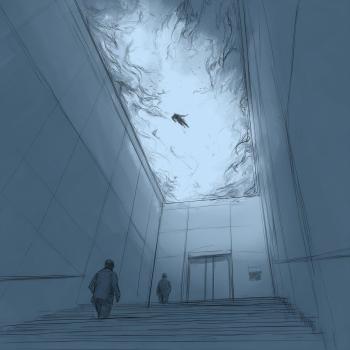
Students take a postcolonial perspective on the portrayal of Caliban from Shakespeare's The Tempest by comparing it to a modern adaptation of the play.

Reading Shakespeare's The Tempest through a Postcolonial Lens

"Roused by the Change of Scene": Analyzing a Film Adaptation of Jane Eyre
As part of their study of Charlotte Brontë's Jane Eyre, students read selected sections of the novel closely and compare their representation in the text to representations in the 2007 Masterpiece adaptation of Jane Eyre. They use the concepts of time/pacing, character, and theme to focus their analysis and to plan an adaptation of a scene of their choice.

And in Conclusion: Inquiring into Strategies for Writing Effective Conclusions
While drafting a literary analysis essay (or another type of argument) of their own, students work in pairs to investigate advice for writing conclusions and to analyze conclusions of sample essays. They then draft two conclusions for their essay, select one, and reflect on what they have learned through the process.

Style-Shifting: Examining and Using Formal and Informal Language Styles
Students observe how language features vary when shifting from an informal to a formal style or vice versa. By engaging in style shifting in both speech and writing, students become aware of how we all change language styles depending on the contexts in which we are speaking or writing.

Highlighting Out-of-School Language Expertise with Pop Culture Dictionaries
Students compose dictionary entries for words and phrases from pop culture texts (e.g., television shows, movies, lyrics, YouTube videos), connecting their definitions to their personal use of the terms.

"Blind Date with a Book": Creating Lifelong Readers
This multi-lesson learning project encourages students to read engaging texts at their grade level and also works to promote habitual, independent reading in all students.

Aim for the Heart: Using Haiku to Identify Theme
Using haiku, students focus on themes in literature and demonstrate their understanding of an author's message. Writing haiku to accompany an analytical paper hones analytical skills and fosters creative expression.

For Argument's Sake: Playing "Devil's Advocate" with Nonfiction Texts
Students learn how to play "devil's advocate" by evaluating sports reforms, reading an engaging non-fiction article, and participating in a town hall meeting in which they represent the interests of various stakeholders to generate debate and develop critical thinking skills.

Summarizing with Haikus
Using the Haiku Poem App or the Haiku Poem Interactive, students summarize papers they have written using the traditional format of a haiku.

From Quantitative to Qualitative: Writing Descriptions of Data From Tables
Students develop quantitative reasoning and critical thinking by analyzing descriptions tables for content, language, and organization with a particular focus on verb tense selection, and then writing descriptions of tables themselves.

Getting Graphic with Alternative Energy Sources
After researching alternative sources of energy, students create online comic books to present their information.
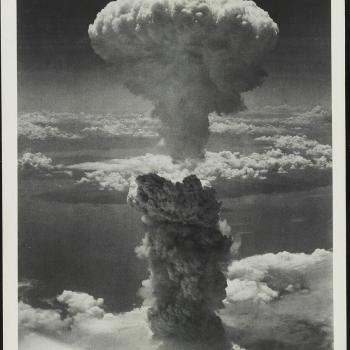
A Blast from the Past with Nuclear Chemistry
After researching the history and basic facts of a nuclear chemistry topic, students utilize the Web 2.0 tool Timetoast to create an electronic timeline that they use to present their research to the class.

Fashion Fun with Fossil Fuels
After researching specific fossil fuel issues, students create their own clothing brands that express their opinions about the issues and then share their information and clothing line using either PowerPoint or Prezi.

Become a Character: Adjectives, Character Traits, and Perspective
Students "become" one of the major characters in a book and describe themselves and other characters, using lists of accurate, powerful adjectives.