ReadWriteThink - Powered by NCTE
  • About
  • Classroom Resources
    • Lesson Plans
    • Teaching Comics
    • Teaching With Primary Resources
    • Calendar
    • Printouts
    • Student Interactives
  • Collections
    • Assessment
    • Authors
    • Booklists
    • Media Literacy
    • Poetry
    • Primary Sources
    • Writing
  • Professional Development
    • Strategy Guides
    • Professional Library
    • Meetings & Events
  • Join NCTE
  • Contact Us
  • About
  • Classroom Resources
    • Lesson Plans
    • Teaching Comics
    • Teaching With Primary Resources
    • Calendar
    • Printouts
    • Student Interactives
  • Collections
    • Assessment
    • Authors
    • Booklists
    • Media Literacy
    • Poetry
    • Primary Sources
    • Writing
  • Professional Development
    • Strategy Guides
    • Professional Library
    • Meetings & Events
  • Join NCTE
  • Contact Us
  • Facebook
  • Twitter
  • Instagram
  • Pinterest
  • YouTube

Breadcrumb

  1. Home

Type

  • Classroom Resources
  • Professional Development

Grades

  • 1 (96)
  • 2 (103)
  • 3 (170)
  • 4 (173)
  • 5 (201)
  • 6 (226)
  • 7 (244)
  • 8 (250)
  • 9 (279)
  • 11 (266)
  • 12 (266)
  • K (91)
  • (-) 10 (276)

Learning Objectives

  • (-) Media literacy (137)
  • (-) writing process (169)
  • collaboration (188)
  • Comprehension (212)
  • critical thinking (375)
  • digital literacy (77)
  • Grammar (19)
  • inquiry / research (163)
  • listening (83)
  • literary analysis (204)
  • metacognition (189)
  • multicultural awareness (69)
  • multimodal literacy (142)
  • oral communication (103)
  • phonological awareness (4)
  • print awareness (36)
  • reading fluency (11)
  • reading genres (157)
  • Spelling (5)
  • text structure / story structure (108)
  • Vocabulary (55)
  • writing genres (193)

Topics

  • arts
  • careers
  • community
  • drama
  • ELL
  • Family
  • fiction
  • Mathematics
  • Mobile Learning
  • nonfiction
  • poetry
  • science
  • seasons / holidays
  • social action
  • social studies / history
  • Sports
  • STEM
Songs of Our Lives: Using Lyrics to Write Stories
Grades
5 - 10
|
Lesson Plan
|
Standard Lesson
Songs of Our Lives: Using Lyrics to Write Stories
Students learn about the life and music of John Lennon, write a short story from their lives integrating lyrics from some of their favorite songs, and create a class book of stories.

Investigating Genre: The Case of the Classic Detective Story
Grades
9 - 12
|
Lesson Plan
|
Standard Lesson
Investigating Genre: The Case of the Classic Detective Story
After critiquing a list of conventions for the genre, students read, view, or listen to a classic mystery, and then produce a mystery of their own, reflecting on the purposeful ways in which they adhered to or altered the genre conventions.

I Have a Dream: Exploring Nonviolence in Young Adult Texts
Grades
9 - 12
|
Lesson Plan
|
Standard Lesson
I Have a Dream: Exploring Nonviolence in Young Adult Texts

Students will identify how Martin Luther King Jr.'s dream of nonviolent conflict-resolution is reinterpreted in modern texts. Homework is differentiated to prompt discussion on how nonviolence is portrayed through characterization and conflict. Students will be formally assessed on a thesis essay that addresses the Six Kingian Principles of Nonviolence.

Creating Better Presentation Slides through Glance Media and Billboard Design
Grades
9 - 12
|
Lesson Plan
|
Standard Lesson
Creating Better Presentation Slides through Glance Media and Billboard Design
This lesson introduces the concept of "glance media" through an analysis of billboards. Students apply design concepts by creating a slide presentation to accompany an existing historical speech.
Persuasive Techniques in Advertising
Grades
9 - 12
|
Lesson Plan
|
Standard Lesson
Persuasive Techniques in Advertising

Students will be introduced to persuasive techniques used in advertising, analyze advertising, and explore the concepts of demographics, marketing for a specific audience, and dynamic advertising.

A "Brief, Urgent Message": Theme in <em>Slaughterhouse-Five</em>
Grades
9 - 12
|
Lesson Plan
|
Standard Lesson
A "Brief, Urgent Message": Theme in Slaughterhouse-Five
As a culminating activity for Slaughterhouse-Five, students make a compilation album (a CD with 6-8 tracks) that reflects their analysis, understanding, and reaction to the ideas in the novel Slaughterhouse-Five.
There Are No Small Parts: Minor Characters in <em>David Copperfield</em>
Grades
9 - 12
|
Lesson Plan
|
Standard Lesson
There Are No Small Parts: Minor Characters in David Copperfield
This lesson capitalizes on students' interest in social networking by asking students to build an online profile for a minor character in Charles Dickens' David Copperfield.
An Exploration of Romanticism Through Art and Poetry
Grades
9 - 12
|
Lesson Plan
|
Unit
An Exploration of Romanticism Through Art and Poetry

Students use art and poetry to explore and understand major characteristics of the Romantic period.

Brochures: Writing for Audience and Purpose
Grades
9 - 12
|
Lesson Plan
|
Unit
Brochures: Writing for Audience and Purpose
Students create brochures on the same topic as another piece of writing they have done, highlighting how shifting purposes and audiences creates changes in their strategies as writers.

Family Memoir: Getting Acquainted With Generations Before Us
Grades
9 - 12
|
Lesson Plan
|
Unit
Family Memoir: Getting Acquainted With Generations Before Us
Creating a memoir of an older family member allows students both to learn more about their own backgrounds and to learn the power of storytellers.
Exploring Irony in the Conclusion of <em>All Quiet on the Western Front</em>
Grades
9 - 12
|
Lesson Plan
|
Standard Lesson
Exploring Irony in the Conclusion of All Quiet on the Western Front

After reading All Quiet on the Western Front, students discuss the novel's ironic ending, then compose alternate titles and endings for the book, and design new book covers.
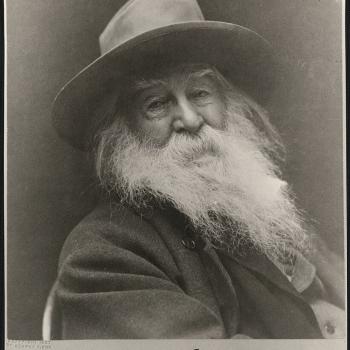
Walt Whitman as a Model Poet: "I Hear My School Singing"
Grades
9 - 12
|
Lesson Plan
|
Standard Lesson
Walt Whitman as a Model Poet: "I Hear My School Singing"
Students first analyze Walt Whitman's "I Hear America Singing," then use Whitman's poem as a model as they create their own list poems.

The ABCs of Poetry
Grades
9 - 12
|
Lesson Plan
|
Minilesson
The ABCs of Poetry
Students examine a letter of the alphabet from all angles, creating image pools of original metaphors that they then turn into poems.

The Feature Story&#151;Fifteen Minutes (and 500 Words) of Fame!
Grades
9 - 12
|
Lesson Plan
|
Standard Lesson
The Feature Story—Fifteen Minutes (and 500 Words) of Fame!
Students learn how to differentiate between a news story and a feature story by writing a profile of a classmate.
Judging a Book by its Cover: The Art and Imagery of <em>The Great Gatsby</em>
Grades
9 - 12
|
Lesson Plan
|
Standard Lesson
Judging a Book by its Cover: The Art and Imagery of The Great Gatsby

Students explore The Great Gatsby's allusion to art and its use of visual imagery and conclude their study by designing their own cover for the novel.

From Friedan Forward&#151;Considering a Feminist Perspective
Grades
9 - 12
|
Lesson Plan
|
Standard Lesson
From Friedan Forward—Considering a Feminist Perspective
Students write letters expressing personal views on issues like equal pay, equal education/employment opportunity, and gender roles—and receive these letters six years later.

Communicating on Local Issues: Exploring Audience in Persuasive Letter Writing
Grades
9 - 12
|
Lesson Plan
|
Standard Lesson
Communicating on Local Issues: Exploring Audience in Persuasive Letter Writing

Students will research a local issue, and then write letters to two different audiences, asking readers to take a related action or adopt a specific position on the issue.

Blogtopia: Blogging about Your Own Utopia
Grades
9 - 12
|
Lesson Plan
|
Standard Lesson
Blogtopia: Blogging about Your Own Utopia
Students work together to create their own utopias, using blogs as the primary source of publication.
Finding Common Ground: Using Logical, Audience-Specific Arguments
Grades
9 - 12
|
Lesson Plan
|
Minilesson
Finding Common Ground: Using Logical, Audience-Specific Arguments
Using a hypothetical situation, students generate arguments from opposing points of view, discover areas of commonality using Venn diagrams, and construct logical, audience-specific arguments to persuade their opponents.
Grades
9 - 12
|
Lesson Plan
|
Standard Lesson
From Dr. Seuss to Jonathan Swift: Exploring the History behind the Satire
Use Dr. Seuss's The Butter Battle Book as an accessible introduction to satire. Reading, discussing, and researching this picture book paves the way for a deeper understanding of Gulliver's Travels.

Pagination

  • Page 1
  • Page 2
  • Page 3
  • Page 4
  • Page 5
  • Page 6
  • Page 7
  • Page 8
  • Page 9
  • …
  • Next page ››
  • Last page Last »

Explore Resources by Grade

  • KindergartenK
  • 1-2
  • 3-4
  • 5-6
  • 7-8
  • 9-10
  • 11-12

RWT-logo

Powered By NCTE

Footer 1 Menu

  • About
  • Classroom Resources
  • Professional Development
  • Collections
  • Contact Us

Footer 2 Menu

  • National Council of Teachers of English
  • Contribute to RWT
  • FAQs
  • Join NCTE

Footer 3 Menu

  • Legal Notices
  • Privacy Policy
  • Promotional Materials
  • Site Demonstrations

Want to stay in touch with RWT and NCTE? Sign up here!

  • Facebook
  • Twitter
  • Instagram
  • Pinterest
  • YouTube

© NCTE 2026. All rights reserved