Students must think critically to create comic strips highlighting six important scenes from a book they have read.

Book Report Alternative: Comic Strips and Cartoon Squares

Doodle Splash: Using Graphics to Discuss Literature
Students keep a doodle journal while reading short stories by a common author. In small groups, students then combine their doodles into a graphic representation of the text.

An Introduction to Julius Caesar Using Multiple-Perspective Universal Theme Analysis
This resource is an introduction to William Shakespeare's tragic play, The Tragedy of Julius Caesar, through the study of universal themes using multiple-perspective investigations of betrayal scenarios.
Picture This: Student Created Online Vocabulary Flashcards
Let the students be the vocabulary experts! Prior to whole class instruction, students create online flashcards and teach the class the new vocabulary.
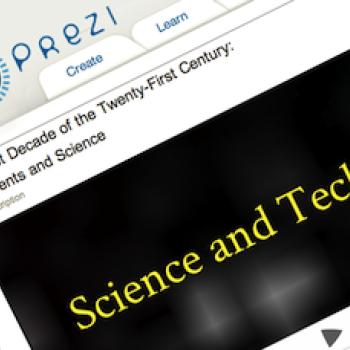
Blending the Past with Today's Technology: Using Prezi to Prepare for Historical Fiction
To prepare for literature circles featuring historical novels, students research the decades of the 1930s to the 1990s and share their information using Prezi, a web application for creating multimedia presentations.

Vote for Me! Making Presidential Commercials Using Avatars
After researching political platforms of past presidents through primary sources and other resources, students create commercials for these presidents using Voki, an online web tool that produces speaking avatars.

Book Report Alternative: Getting Acquainted with Farcebook
In this alternative to the traditional book report, students report on their novel choices using Facebook-like pages.

Animate that Haiku!
Following the traditional form of the haiku, students publish their own haikus using Animoto, an online web tool to produce slideshows that blend text and music.

Breaking the Rules with Sentence Fragments
Though teachers usually caution students against using sentence fragments, Edgar Schuster's work demonstrates that professional writers often use fragments effectively. This lesson helps students understand that there are reasons that they can and should use sentence fragments to become effective writers.

Life is Beautiful: Teaching the Holocaust through Film with Complementary Texts
After students have read a book about the Holocaust, such as The Diary of Anne Frank or Night by Elie Wiesel, students will view Life is Beautiful and complete discussion questions to challenge their ability to analyze literature using film.
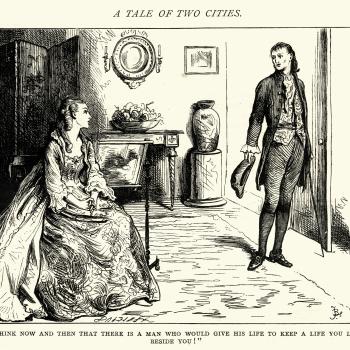
A Tale of a Few Text Messages: A Character Study of A Tale of Two Cities
Students use A Tale of Two Cities to explore relationships, plot points, character traits, and background by writing text messages between characters within the novel.

Glogging About Natural Disasters
After researching various natural disasters, students share their findings with each other using glogs, or through poster presentations.

Experiencing Haiku Through Mindfulness, Movement & Music
By being present and mindful on nature walks, students write haiku using vivid sensory language; and explore body movement, music and art as visual and kinesthetic representations of their poetry.
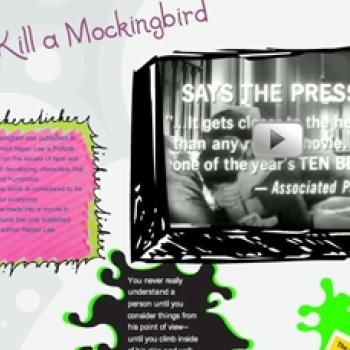
Book Report Alternative: Glog That Book!
In this alternative book report, students identify the elements of fiction in books they have read by creating glogs, interactive multimedia posters, and then share their glogs.
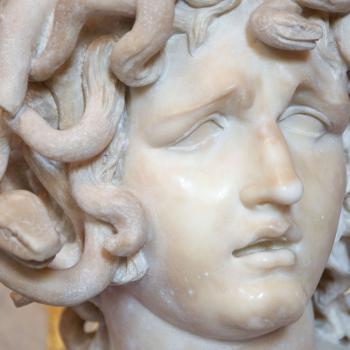
Digitally Telling the Story of Greek Figures
In this lesson students research Greek gods, heroes, and creatures and then share their findings through digital storytelling.
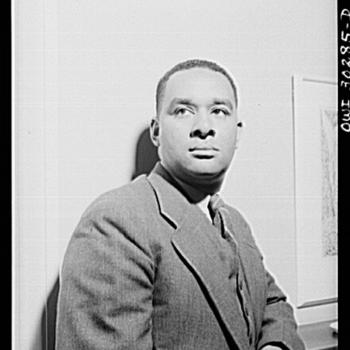
Demonstrating Understanding of Richard Wright's Rite of Passage
Students use the elements of persuasion for a specific audience to demonstrate their understanding of Richard Wright's accessible and engaging coming-of-age novel, Rite of Passage.

Authoring an Epilogue That Helps Our Characters Live On
This lesson uses One Green Apple by Eve Bunting to teach how characters change across a text. It will also guide students through writing an epilogue to accompany their independent book.

What's the Purpose?: Examining a Cold Manipulation of Language
With a crafty pen, Truman Capote wrote In Cold Blood to create a new genre and shock his audience. This lesson will help students examine Capote's manipulation of language as he forces his audience to take a different look at murderers and consider a different definition of nonfiction. His unique purpose leaves students an interesting text to consider.

Designing Elements of Story in Little Blue and Little Yellow
In this series of four lessons, students will explore key elements of design in Little Blue and
Little Yellow to learn about setting, character relationships, and plot.

Literature Response in Primary Classrooms
This step-by-step literature response template for use with read-alouds asks students to use drawing and writing to respond to increasingly-complex prompts which address literary elements as well as personal connections.