Students analyze characterization by creating their own superheroes or super-villains,
complete with related gadgets and settings.
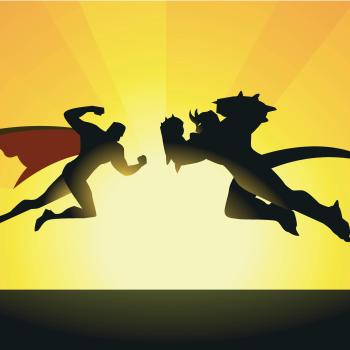
Fantastic Characters: Analyzing and Creating Superheroes and Villains

Songs of Our Lives: Using Lyrics to Write Stories
Students learn about the life and music of John Lennon, write a short story from their lives integrating lyrics from some of their favorite songs, and create a class book of stories.

Creative Writing in the Natural World: A Framing
Students practice writing detailed, sensory-rich descriptions by framing a small piece of nature and freewriting about it. From this minilesson, students can develop a variety of types of writing.

The Mysteries of Harris Burdick: Using Illustrations to Guide Writing
Students use illustrations from The Mysteries of Harris Burdick as a guide to write mysteries
and then present their stories to the class for students to discuss to which illustration each
story corresponds.

"America the Beautiful": Using Music and Art to Develop Vocabulary
Students engage in a rich study of vocabulary words from the song "America the Beautiful," using music and art.
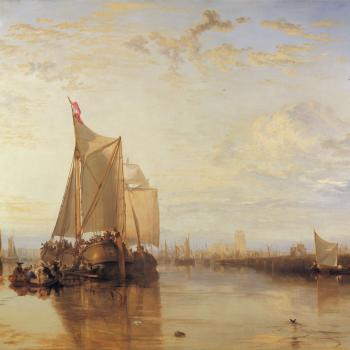
An Exploration of Romanticism Through Art and Poetry
Students use art and poetry to explore and understand major characteristics of the Romantic period.
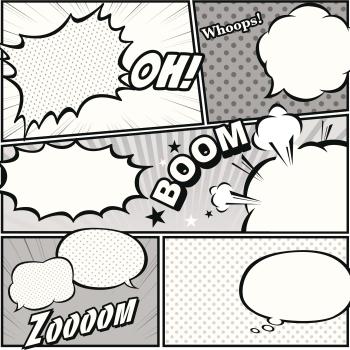
The Comic Book Show and Tell
Students craft comic scripts using clear, descriptive, and detailed writing that shows (illustrates) and tells (directs). After peers create an artistic interpretation of the script, students revise their original scripts.
You're the Top! Pop Culture Then and Now
Students analyze the lyrics to Cole Porter's "You're the Top!" and then update them to include current "tops" in pop culture.
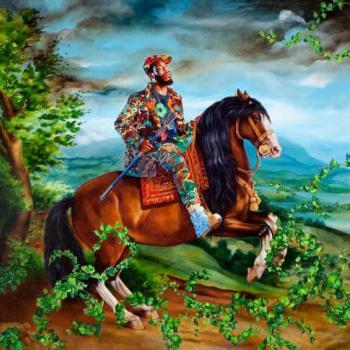
Locating Purpose in Allusion through Art and Poetry
Through this lesson, students will learn how to use the literary term "allusion" in discussing how and why authors and artists draw on and transform subject material.

Animate that Haiku!
Following the traditional form of the haiku, students publish their own haikus using Animoto, an online web tool to produce slideshows that blend text and music.
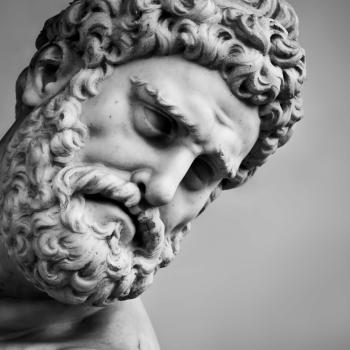
Audience & Purpose: Evaluating Disney's Changes to the Hercules Myth
What drives changes to classic myths and fables? In this lesson students evaluate the changes Disney made to the myth of "Hercules" in order to achieve their audience and purpose.

Analyzing the Rhetoric of Corporate Logos across Time
Students think critically about how design elements in logos work together to tell a changing story about a company or product in this visual rhetoric lesson.

Writing Acrostic Poems with Thematically Related Texts in the Content Areas
Students read thematically related texts, scaffolded from simple to complex, to help them gather necessary concept vocabulary and background knowledge in a content area. They then write acrostic poems to organize and present their learning in a creative way.

Seasonal Haiku: Writing Poems to Celebrate Any Season
After listening to haiku poetry, students use seasonal descriptive words to write their own haiku, following the traditional format. They then publish their poems by mounting them on illustrated backgrounds.
Read Across America Day: Celebrate a Nation of Diverse Readers
Bring the celebration of reading and literacy into your classroom, library, school, and home all year long.

RAFT Writing Template
Students can utilize this printout to organize their writing as they learn to use the RAFT strategy. This printout enables students to clearly define their role, audience, format, and topic for writing.

Write Alouds
This strategy guide explains how to use write-aloud (also known as modeled writing) to teach effective writing strategies and improve students' independent writing ability.

Shared Writing
This strategy guide explains how to use shared writing to teach students effective strategies that will improve their own independent writing ability.

Guided Writing
This strategy guide explains how to use small-group, guided writing instruction to teach students effective strategies and improve their ability to produce text independently.
Using the RAFT Writing Strategy
This strategy guide introduces the RAFT technique and offers practical ideas for using this technique to teach students to experiment with various perspectives in their writing.