Students rework their forgotten/abandoned drafts by cutting and covering up selected words. By creatively manipulating text, they explore portal writing, a strategy for envisioning a new story or story direction.
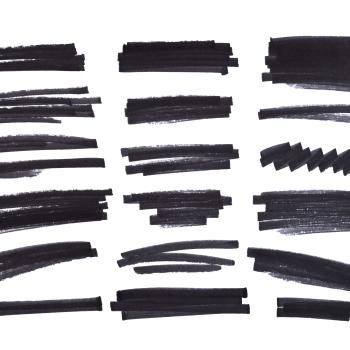
Cut up, Cover up, and Come Away with Ideas for Writing!
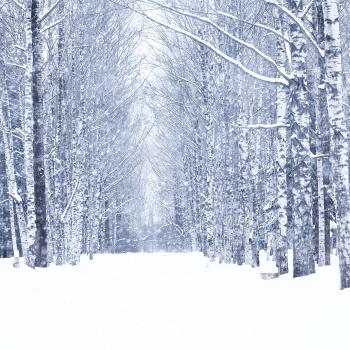
Sonic Patterns: Exploring Poetic Techniques Through Close Reading
Students develop close reading skills connecting sound with sense in the poem "Those Winter Sundays," and write an original text that reflects their new learning.
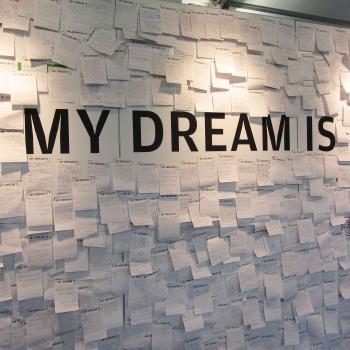
Entering History: Nikki Giovanni and Martin Luther King, Jr.
Nikki Giovanni's poem "The Funeral of Martin Luther King, Jr." is paired with Dr. King's "I Have a Dream" speech, taking students on a quest through time to the Civil Rights movement.

Acrostic Poems: All About Me and My Favorite Things
Students create acrostic poems using their names and the names of things that are important to them.
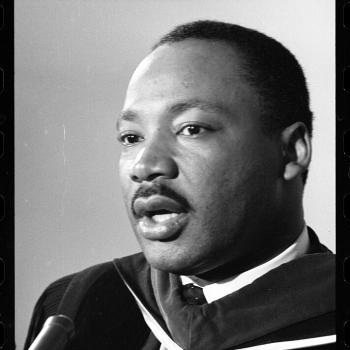
Exploring the Power of Martin Luther King, Jr.'s Words through Diamante Poetry
Students explore the ways that powerful and passionate words communicate the concepts of freedom, justice, discrimination, and the American Dream in Martin Luther King, Jr.'s "I Have a Dream" speech.

Writing Acrostic Poems with Thematically Related Texts in the Content Areas
Students read thematically related texts, scaffolded from simple to complex, to help them gather necessary concept vocabulary and background knowledge in a content area. They then write acrostic poems to organize and present their learning in a creative way.
Poetry from Prose
Working in small groups, students compose found and parallel poems based on a descriptive passage they have chosen from a piece of literature they are reading.

Swish! Pow! Whack! Teaching Onomatopoeia Through Sports Poetry
Students explore poetry about sports, looking closely at the use of onomatopoeia. After viewing a segment of a sporting event, students create their own onomatopoeic sports poems.

Using the Four-Square Strategy to Define and Identify Poetic Terms
How do poets play with language? Students will explore some answers to this question as they search through poems for examples of alliteration, assonance, simile, and rhyme.

Engineering the Perfect Poem by Using the Vocabulary of STEM
Students research engineering careers and create poetry to understand the vocabulary of STEM (science, technology, engineering, and mathematics).

Delicious, Tasty, Yummy: Enriching Writing with Adjectives and Synonyms
Students thoroughly explore identifying synonyms and adjectives before using them to add variety and interest to their own writing.
Alliteration All Around
Students learn about alliteration, and then practice using alliteration in acrostic poems, tongue twisters, alphabet books, and number books.
All About Alliteration: Responding to Literature Through a Poetry Link
Studied students stupefy! Students learn about alliteration by listening to an alliterative read-aloud and apply the knowledge they gain to the creation of their own poem and illustration.

Building Classroom Community Through the Exploration of Acrostic Poetry
What do your students think about each other? Find out as you teach them the concepts of acrostic poems and challenge them to write an uplifting acrostic about a classmate.

Theme Poems: Writing Extraordinary Poems About Ordinary Objects
Students select a familiar object online, build a bank of words related to the object, and write theme poems that are printed and displayed in class.
The Magnetism of Language: Parts of Speech, Poetry, and Word Play
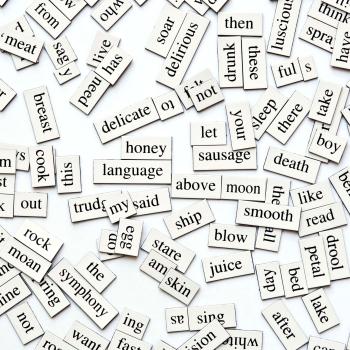
What wonderful ways words work! The parts of speech are the highlight of this lesson in which students identify parts of speech in a nonsensical poem and then create their own wild and wacky rhymes.
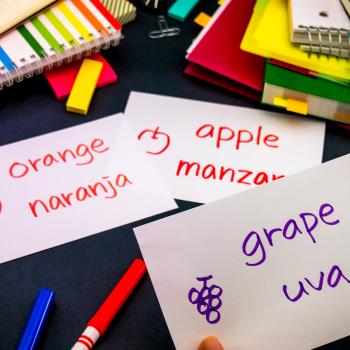
Let's Read It Again: Comprehension Strategies for English-Language Learners
Help Spanish-speaking English-language learners unlock the mysteries of their new language by using a bilingual book to recognize unfamiliar words and construct meaning from the text.

Poetry Portfolios: Using Poetry to Teach Reading
Teach your students about sentence structure, rhyming words, sight words, vocabulary, and print concepts using a weekly poem.

Slipping, Sliding, Tumbling: Reinforcing Cause and Effect Through Diamante Poems
Writing, revising, and publishing are just a few of the tasks students will complete in order to take their cause-and-effect diamante poems from an idea to a reality.

Multipurpose Poetry: Introducing Science Concepts and Increasing Fluency
Creepy crawlers, hoppers, and fliers are the focus of this lesson in which students chorally read poems about insects and use the Internet to locate facts about their assigned insects.