Students take their ideas from the classroom page to the community pavement when they participate in a service-learning project based on their multimedia presentations.

Crit Lit for Kids: From Critical Consciousness to Service Learning

Guided Comprehension in Action: Teaching Summarizing With the Bio-Cube
Students learn the ins and outs of writing biographies by researching a contemporary or historical figure and writing a summary.

Zines for Kids: Multigenre Texts About Media Icons
Special edition! Students use ReadWriteThink tools to create magazines about prominent figures using a variety of writing genres and styles.

Exploring Literacy in Cyberspace
It's not just words on a page (or screen)—reading comprehension involves making sense of the text. When students become aware of the analytical strategies they are using, they can explore the similarities and differences between making sense of print and making sense of a website.

Censorship in the Classroom: Understanding Controversial Issues
Students examine propaganda and media bias, research a variety of banned and challenged books, choose a side of the censorship issue, and support their position through an advertising campaign.
Writing a Movie: Summarizing and Rereading a Film Script
Lights! Camera! Action! In this lesson, students view a scene with no dialogue from E.T., write a script for that scene, and perform a dramatic reading while the scene plays.

Using the Check and Line Method to Enhance Reading Comprehension
Do your students skim assigned text material without even engaging their brains? The Check and Line method encourages students to think about what they are reading and monitor their own comprehension of the information.
QARs + Tables = Successful Comprehension of Math Word Problems
Using census data for an example, students use the question-answer relationship (QAR) strategy to understand and solve word problems that refer to tables and other graphics.

Lights, Camera, Action: Interviewing a Book Character
Students get the inside scoop on a story when they create interview questions and answers for characters in the books they read.

Building Reading Comprehension Through Think-Alouds
Students learn components of think-alouds and type-of-text interactions through teacher modeling. In the process, students develop the ability to use think-alouds to aid in reading comprehension tasks.

Fighting Injustice by Studying Lessons of the Past
Social injustice occurs every day all over the world. In this lesson, students research a few historical examples of social injustice, including the Holocaust, the Trail of Tears, and Japanese internment.

Using THIEVES to Preview Nonfiction Texts
Students become "thieves" in this lesson as they use a previewing strategy to "steal" information from textbooks and other nonfiction texts before actually reading them.

The Big, Bad Wolf...Is This a Fact?
Reading is revamped in this lesson in which students use a multimedia approach to study the books by Seymour Simon.

Critical Media Literacy: Commercial Advertising
By looking at advertising and mass media critically, students begin to understand how the media oppresses certain groups, convinces people to purchase certain products, and influences culture.

Critical Media Literacy: TV Programs
By critically analyzing popular television programs, students develop an awareness of the messages that are portrayed through the media.
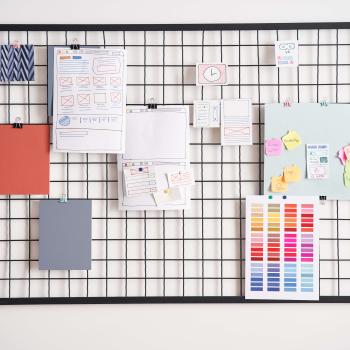
Scaffolding Comprehension Strategies Using Graphic Organizers
Students learn collaborative strategic reading (CSR). During and after reading, students apply four reading strategiespreview, click and clunk, get the gist, and wrap-upand use graphic organizers for scaffolding.

Exploring World Cultures Through Folk Tales
Journey around the world with students as they read a Japanese, African, or Welsh folk tale, create a visual depiction of the tale, research the tale's culture, and present findings.

Once They're Hooked, Reel Them In: Writing Good Endings
It's important to "hook" readers at a story's beginning, but it's equally important to keep them interested. In this lesson, students learn to write effective conclusions to their own stories.

Is Superman Really All That Super? Critically Exploring Superheroes
What makes a superhero super? By comparing popular culture superheroes with heroic characters in children's literature, students learn to think critically about character traits, and consider how cultural perspectives influence the kinds of heroes we choose.

Digital Reflections: Expressing Understanding of Content Through Photography
Striking images can leave lasting impressions on viewers. In this lesson, students make textselfworld connections to a nature- or science-related topic as they collaboratively design a multimedia presentation.