Students keep a daily diary that records how and when they listen to audio texts, then analyze the details and compare their results to published reports on American radio listeners.

Audio Listening Practices: Exploring Personal Experiences with Audio Texts

On a Musical Note: Exploring Reading Strategies by Creating a Soundtrack
Students create a soundtrack for a novel that they have read, as they engage in such traditional reading strategies as predicting, visualizing, and questioning.

Copyright Infringement or Not? The Debate over Downloading Music
This lesson takes advantage of students' interest in music and audio sharing. Students investigate multiple perspectives in the music downloading debate and develop a persuasive argument for a classroom debate.
You Know the Movie is Coming—Now What?
In this lesson, students read a literary text with the eye of a director, selecting scenes from the text and putting a cinematic spin on them.

Naming in a Digital World: Creating a Safe Persona on the Internet
Students explore naming conventions in digital and non-digital settings then choose and explain specific names and profiles to represent themselves online.

Paying Attention to Technology: Reviewing a Technology
Students read and analyze technology reviews to establish the characteristics of the genre. They then compose their own reviews on a technology of their choice.

Argument, Persuasion, or Propaganda? Analyzing World War II Posters
Students analyze World War II posters, as a group and then independently, to explore how argument, persuasion and propaganda differ.
Exploring Satire with The Simpsons
This lesson uses an example from popular culture, The Simpsons, as a means to explore the literary technique of satire and to analyze a satirical work.

Propaganda Techniques in Literature and Online Political Ads
Students analyze propaganda techniques used in pieces of literature and political advertisements. They then look for propaganda in other media, such as print ads and commercials.

Voting! What's It All About?
Students explore a variety of sources for information about voting. They evaluate the information to determine if it is fact or opinion, and then create a graffiti wall about voting.
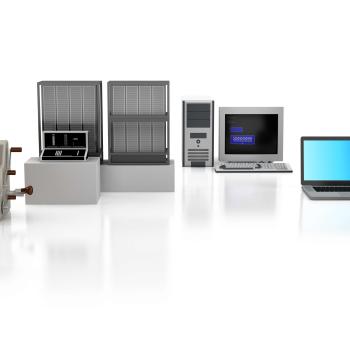
Paying Attention to Technology: Writing Technology Autobiographies
This lesson plan asks students to pay attention to the technologies they use. They graphically map their interactions with technology and compose narratives of their most significant interactions with technology.

Paying Attention to Technology: Exploring a Fictional Technology
Students complete a short survey to establish their beliefs about technology. They compare their opinions to the ideas in a novel that depicts technology (such as 1984 or Fahrenheit 451).

Investigating Junk Mail: Negotiating Critical Literacy at the Mailbox
Students increase their media literacy skills by critically examining and revising junk mail.

Acrostic Poems: All About Me and My Favorite Things
Students create acrostic poems using their names and the names of things that are important to them.
Writing Poetry with Rebus and Rhyme
This lesson encourages students to use rhyming words to write rebus poetry modeled on rebus books, which substitute pictures for the words that young students cannot yet identify or decode.

Playing Name Bingo with Chrysanthemum
In this twist on traditional bingo, the game boards feature students' names, and students answer questions designed to help them learn more about one another when their names are called.

Comic Makeovers: Examining Race, Class, Ethnicity, and Gender in the Media
Students explore stereotypes in the media and representations of race, class, ethnicity, and gender by analyzing comics over a two-week period and then re-envisioning them with a "comic character makeover."
Blending the Past with Today's Technology: Using Prezi to Prepare for Historical Fiction
To prepare for literature circles featuring historical novels, students research the decades of the 1930s to the 1990s and share their information using Prezi, a web application for creating multimedia presentations.

Vote for Me! Making Presidential Commercials Using Avatars
After researching political platforms of past presidents through primary sources and other resources, students create commercials for these presidents using Voki, an online web tool that produces speaking avatars.

Book Report Alternative: Getting Acquainted with Farcebook
In this alternative to the traditional book report, students report on their novel choices using Facebook-like pages.