ReadWriteThink - Powered by NCTE
  • About
  • Classroom Resources
    • Lesson Plans
    • Teaching Comics
    • Teaching With Primary Resources
    • Calendar
    • Printouts
    • Student Interactives
  • Collections
    • Assessment
    • Authors
    • Booklists
    • Media Literacy
    • Poetry
    • Primary Sources
    • Writing
  • Professional Development
    • Strategy Guides
    • Professional Library
    • Meetings & Events
  • Join NCTE
  • Contact Us
  • About
  • Classroom Resources
    • Lesson Plans
    • Teaching Comics
    • Teaching With Primary Resources
    • Calendar
    • Printouts
    • Student Interactives
  • Collections
    • Assessment
    • Authors
    • Booklists
    • Media Literacy
    • Poetry
    • Primary Sources
    • Writing
  • Professional Development
    • Strategy Guides
    • Professional Library
    • Meetings & Events
  • Join NCTE
  • Contact Us
  • Facebook
  • Twitter
  • Instagram
  • Pinterest
  • YouTube

Breadcrumb

  1. Home

Type

  • (-) Standard Lesson

Grades

  • 1 (37)
  • 2 (38)
  • 3 (67)
  • 4 (67)
  • 5 (72)
  • 6 (64)
  • 7 (66)
  • 8 (68)
  • 9 (77)
  • 10 (75)
  • 11 (68)
  • 12 (68)
  • K (34)

Learning Objectives

  • (-) writing process (234)
  • collaboration (249)
  • Comprehension (242)
  • critical thinking (244)
  • digital literacy (71)
  • Grammar (31)
  • inquiry / research (133)
  • listening (72)
  • literary analysis (210)
  • Media literacy (85)
  • metacognition (86)
  • multicultural awareness (37)
  • multimodal literacy (112)
  • oral communication (107)
  • phonological awareness (33)
  • print awareness (37)
  • reading fluency (33)
  • reading genres (120)
  • Spelling (30)
  • text structure / story structure (113)
  • Vocabulary (100)
  • writing genres (189)

Topics

  • arts
  • careers
  • community
  • drama
  • ELL
  • Family
  • fiction
  • Mathematics
  • Mobile Learning
  • nonfiction
  • poetry
  • science
  • seasons / holidays
  • social action
  • social studies / history
  • Sports
  • STEM
Songs of Our Lives: Using Lyrics to Write Stories
Grades
5 - 10
|
Lesson Plan
|
Standard Lesson
Songs of Our Lives: Using Lyrics to Write Stories
Students learn about the life and music of John Lennon, write a short story from their lives integrating lyrics from some of their favorite songs, and create a class book of stories.

Cut up, Cover up, and Come Away with Ideas for Writing!
Grades
6 - 8
|
Lesson Plan
|
Standard Lesson
Cut up, Cover up, and Come Away with Ideas for Writing!
Students rework their forgotten/abandoned drafts by cutting and covering up selected words. By creatively manipulating text, they explore portal writing, a strategy for envisioning a new story or story direction.

<em>The Mysteries of Harris Burdick</em>: Using Illustrations to Guide Writing
Grades
5 - 9
|
Lesson Plan
|
Standard Lesson
The Mysteries of Harris Burdick: Using Illustrations to Guide Writing
Students use illustrations from The Mysteries of Harris Burdick as a guide to write mysteries and then present their stories to the class for students to discuss to which illustration each story corresponds.
Investigating Genre: The Case of the Classic Detective Story
Grades
9 - 12
|
Lesson Plan
|
Standard Lesson
Investigating Genre: The Case of the Classic Detective Story
After critiquing a list of conventions for the genre, students read, view, or listen to a classic mystery, and then produce a mystery of their own, reflecting on the purposeful ways in which they adhered to or altered the genre conventions.

Guided Reading Strategies with <i>Henry and Mudge</i>
Grades
1 - 3
|
Lesson Plan
|
Standard Lesson
Guided Reading Strategies with Henry and Mudge
In this lesson, students read Henry and Mudge and the Starry Night as a whole group as the teacher models a questioning strategy. In subsequent sessions, students practice the questioning strategy and reread for fluency.

Prompting Revision through Modeling and Written Conversations
Grades
3 - 5
|
Lesson Plan
|
Standard Lesson
Prompting Revision through Modeling and Written Conversations
Students create a checklist outlining what effective writers do, revise his or her own writing, and engage in a written conversation to help peers with the revision process.
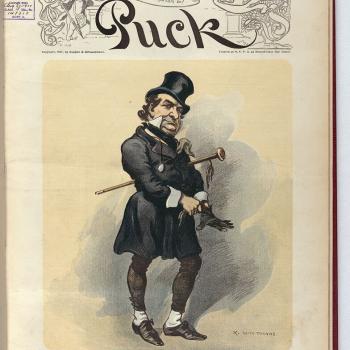
There Are No Small Parts: Minor Characters in <em>David Copperfield</em>
Grades
9 - 12
|
Lesson Plan
|
Standard Lesson
There Are No Small Parts: Minor Characters in David Copperfield
This lesson capitalizes on students' interest in social networking by asking students to build an online profile for a minor character in Charles Dickens' David Copperfield.
Blurring Genre: Exploring Fiction and Nonfiction with <em>Diary of a Worm</em>
Grades
6 - 8
|
Lesson Plan
|
Standard Lesson
Blurring Genre: Exploring Fiction and Nonfiction with Diary of a Worm
After reading several examples of how a published author incorporates facts in fiction writing, students research a topic of their choice and write fictional diary entries that incorporate factual information.
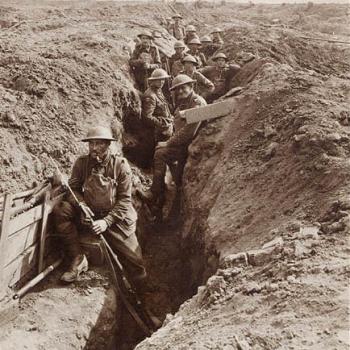
Exploring Irony in the Conclusion of <em>All Quiet on the Western Front</em>
Grades
9 - 12
|
Lesson Plan
|
Standard Lesson
Exploring Irony in the Conclusion of All Quiet on the Western Front

After reading All Quiet on the Western Front, students discuss the novel's ironic ending, then compose alternate titles and endings for the book, and design new book covers.

Enchanting Readers with Revisionist Fairy Tales
Grades
6 - 8
|
Lesson Plan
|
Standard Lesson
Enchanting Readers with Revisionist Fairy Tales
Students examine three examples of revisionist fairy tales in which female characters act in empowered roles rather than behaving helpless and submissive.
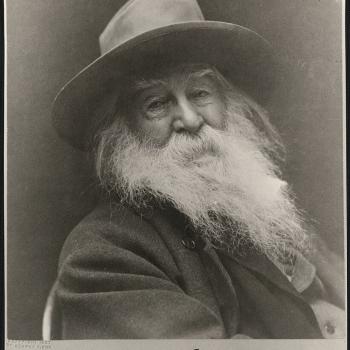
Walt Whitman as a Model Poet: "I Hear My School Singing"
Grades
9 - 12
|
Lesson Plan
|
Standard Lesson
Walt Whitman as a Model Poet: "I Hear My School Singing"
Students first analyze Walt Whitman's "I Hear America Singing," then use Whitman's poem as a model as they create their own list poems.
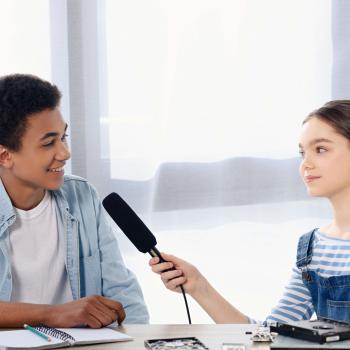
The Feature Story&#151;Fifteen Minutes (and 500 Words) of Fame!
Grades
9 - 12
|
Lesson Plan
|
Standard Lesson
The Feature Story—Fifteen Minutes (and 500 Words) of Fame!
Students learn how to differentiate between a news story and a feature story by writing a profile of a classmate.

Letters and Learning Genre
Grades
6 - 8
|
Lesson Plan
|
Standard Lesson
Letters and Learning Genre
Using their prior knowledge of books containing letters, students show their understanding of genre by rewriting a story and reflecting on how traditional stories differs from stories told in letters.
Once Upon a Fairy Tale: Teaching Revision as a Concept
Grades
6 - 8
|
Lesson Plan
|
Standard Lesson
Once Upon a Fairy Tale: Teaching Revision as a Concept
Students use fractured fairy tales to practice revision and editing as separate activities when they write their own versions of fairy tales.
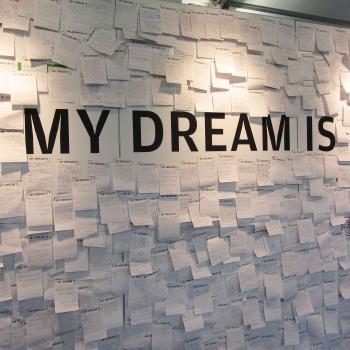
Entering History: Nikki Giovanni and Martin Luther King, Jr.
Grades
6 - 8
|
Lesson Plan
|
Standard Lesson
Entering History: Nikki Giovanni and Martin Luther King, Jr.
Nikki Giovanni's poem "The Funeral of Martin Luther King, Jr." is paired with Dr. King's "I Have a Dream" speech, taking students on a quest through time to the Civil Rights movement.
Travel Brochures: Highlighting the Setting of a Story
Grades
6 - 8
|
Lesson Plan
|
Standard Lesson
Travel Brochures: Highlighting the Setting of a Story
Readers are often transported to the places mentioned in texts through words and descriptions. This lesson invites students to create travel brochures about the setting of texts they have read.

Book Report Alternative: Creating a Childhood for a Character
Grades
6 - 8
|
Lesson Plan
|
Standard Lesson
Book Report Alternative: Creating a Childhood for a Character
Students explore familiar literary characters, usually first encountered as adults, but whose childhood stories are only told later. Students then create childhoods for adult characters from books of their choice.
From Friedan Forward&#151;Considering a Feminist Perspective
Grades
9 - 12
|
Lesson Plan
|
Standard Lesson
From Friedan Forward—Considering a Feminist Perspective
Students write letters expressing personal views on issues like equal pay, equal education/employment opportunity, and gender roles—and receive these letters six years later.
Communicating on Local Issues: Exploring Audience in Persuasive Letter Writing
Grades
9 - 12
|
Lesson Plan
|
Standard Lesson
Communicating on Local Issues: Exploring Audience in Persuasive Letter Writing

Students will research a local issue, and then write letters to two different audiences, asking readers to take a related action or adopt a specific position on the issue.

A Poem of Possibilities: Thinking about the Future
Grades
11 - 12
|
Lesson Plan
|
Standard Lesson
A Poem of Possibilities: Thinking about the Future
After reading John Updike's "Ex-Basketball Player," students write poems describing themselves five years in the future. The teacher takes the poems and mails them to students in five years.

Pagination

  • Page 1
  • Page 2
  • Page 3
  • Page 4
  • Page 5
  • Page 6
  • Page 7
  • Page 8
  • Page 9
  • …
  • Next page ››
  • Last page Last »

Explore Resources by Grade

  • KindergartenK
  • 1-2
  • 3-4
  • 5-6
  • 7-8
  • 9-10
  • 11-12

RWT-logo

Powered By NCTE

Footer 1 Menu

  • About
  • Classroom Resources
  • Professional Development
  • Collections
  • Contact Us

Footer 2 Menu

  • National Council of Teachers of English
  • Contribute to RWT
  • FAQs
  • Join NCTE

Footer 3 Menu

  • Legal Notices
  • Privacy Policy
  • Promotional Materials
  • Site Demonstrations

Want to stay in touch with RWT and NCTE? Sign up here!

  • Facebook
  • Twitter
  • Instagram
  • Pinterest
  • YouTube

© NCTE 2026. All rights reserved