Students celebrate the power of words by reading aloud to their classmates and spreading the word of global literacy to their friends and family.

Today is World Read Aloud Day.

Seamus Heaney was born on this day in 1939.
Students focus on the figurative language in Heaney's poem, "Digging," and discuss the speaker's attitude, and how metaphor, simile, and image contribute to the poem.

Poe's "The Raven" was published in 1845.
As Poe's "The Raven" is read aloud, students note their reactions and discuss the changes or development of their first impressions as the poem continues.
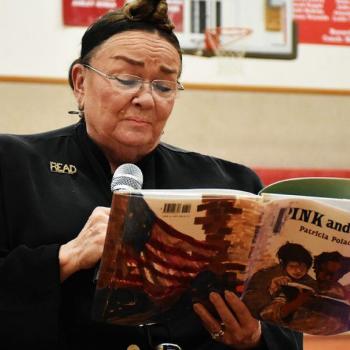
Children's author Patricia Polacco was born in 1944.
Students share family stories of their own by writing original poems and reviewing parts of speech using the Diamante Poems tool.

In 1928, Maya Angelou was born.
After hearing Maya Angelou's poem, "On the Pulse of Morning," students infer information about the speaker and her feelings about America and reflect on how one's life and experiences can influence one's writing.
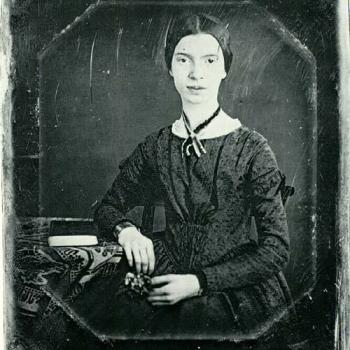
Poet Emily Dickinson was born in 1830.
Students discuss Dickinson's poem "This Is My Letter To The World" and use it to focus on how audience affects voice.

Celebrate National Library Week!
Students learn more about libraries as part of National Library Week.

United States Congress officially adopted the position of Poet Laureate Consultant in Poetry in 1985.
Students investigate the website of a past Poet Laureate's project and use it as a model to celebrate poetry that appeals most to them.

Where the Sidewalk Ends by Shel Silverstein was published in 1974.
Students are introduced to a Silverstein verse and asked for their impressions. They then draw that they imagine when they read one of his lines and then write a line or two to continue the passage.