ReadWriteThink - Powered by NCTE
  • About
  • Classroom Resources
    • Lesson Plans
    • Teaching Comics
    • Teaching With Primary Resources
    • Calendar
    • Printouts
    • Student Interactives
  • Collections
    • Assessment
    • Authors
    • Booklists
    • Media Literacy
    • Poetry
    • Primary Sources
    • Writing
  • Professional Development
    • Strategy Guides
    • Professional Library
    • Meetings & Events
  • Join NCTE
  • Contact Us
  • About
  • Classroom Resources
    • Lesson Plans
    • Teaching Comics
    • Teaching With Primary Resources
    • Calendar
    • Printouts
    • Student Interactives
  • Collections
    • Assessment
    • Authors
    • Booklists
    • Media Literacy
    • Poetry
    • Primary Sources
    • Writing
  • Professional Development
    • Strategy Guides
    • Professional Library
    • Meetings & Events
  • Join NCTE
  • Contact Us
  • Facebook
  • Twitter
  • Instagram
  • Pinterest
  • YouTube

Breadcrumb

  1. Home

Type

  • Classroom Resources
  • Professional Development

Grades

  • 1 (21)
  • 2 (22)
  • 3 (19)
  • 4 (20)
  • 5 (21)
  • 6 (34)
  • 7 (35)
  • 8 (36)
  • 9 (29)
  • 10 (29)
  • 11 (29)
  • 12 (29)
  • K (17)

Learning Objectives

  • (-) collaboration (74)
  • critical thinking (104)
  • digital literacy (33)
  • Grammar (3)
  • inquiry / research (96)
  • listening (28)
  • literary analysis (42)
  • Media literacy (39)
  • metacognition (50)
  • multicultural awareness (11)
  • multimodal literacy (52)
  • oral communication (38)
  • phonological awareness (1)
  • print awareness (12)
  • reading fluency (17)
  • reading genres (46)
  • Spelling (3)
  • text structure / story structure (45)
  • Vocabulary (41)
  • writing genres (51)
  • writing process (50)

Topics

  • (-) drama
  • (-) science
  • arts
  • careers
  • community
  • ELL
  • Family
  • fiction
  • Mathematics
  • Mobile Learning
  • nonfiction
  • poetry
  • seasons / holidays
  • social action
  • social studies / history
  • Sports
  • STEM
Fantastic Characters: Analyzing and Creating Superheroes and Villains
Grades
6 - 8
|
Lesson Plan
|
Standard Lesson
Fantastic Characters: Analyzing and Creating Superheroes and Villains
Students analyze characterization by creating their own superheroes or super-villains, complete with related gadgets and settings.

Facilitating Student-Led Seminar Discussions with <em>The Piano Lesson</em>
Grades
9 - 12
|
Lesson Plan
|
Standard Lesson
Facilitating Student-Led Seminar Discussions with The Piano Lesson
August Wilson's play The Piano Lesson invites students to ask a number of questions—big and small. Students learn how to create effective discussion questions and then put them to use in student-led discussions.
Blurring Genre: Exploring Fiction and Nonfiction with <em>Diary of a Worm</em>
Grades
6 - 8
|
Lesson Plan
|
Standard Lesson
Blurring Genre: Exploring Fiction and Nonfiction with Diary of a Worm
After reading several examples of how a published author incorporates facts in fiction writing, students research a topic of their choice and write fictional diary entries that incorporate factual information.
Analyzing Character in <em>Hamlet</em> through Epitaphs
Grades
9 - 12
|
Lesson Plan
|
Standard Lesson
Analyzing Character in Hamlet through Epitaphs

Students create epitaphs for characters from a tragedy, such as Hamlet.
Finding the Science Behind Science Fiction through Paired Readings
Grades
6 - 8
|
Lesson Plan
|
Standard Lesson
Finding the Science Behind Science Fiction through Paired Readings
Students read science fiction texts and then use nonfiction texts to extrapolate the scientific principles presented as they discuss the "what ifs" within the context of scientific principles.
Digging Up Details on Worms: Using the Language of Science in an Inquiry Study
Grades
K - 2
|
Lesson Plan
|
Standard Lesson
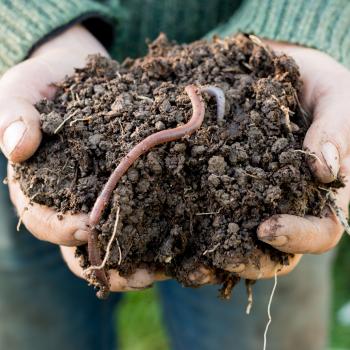
Digging Up Details on Worms: Using the Language of Science in an Inquiry Study
This lesson, in which students research worms in order to create a classroom habitat, incorporates reading and writing across content areas as well as math and science activities.
Audio Broadcasts and Podcasts: Oral Storytelling and Dramatization
Grades
9 - 12
|
Lesson Plan
|
Unit
Audio Broadcasts and Podcasts: Oral Storytelling and Dramatization

After exploring Orson Welles' 1938 broadcast of H. G. Wells' War of the Worlds, students create their own audio dramatization of a text they have read.

Literature as a Jumping Off Point for Nonfiction Inquiry
Grades
3 - 5
|
Lesson Plan
|
Unit
Literature as a Jumping Off Point for Nonfiction Inquiry
Students use text sets to research a topic inspired by a fiction book they have read. A text set is a collection of multiple text genres with a single focus.

Grades
9 - 12
|
Lesson Plan
|
Standard Lesson
Happily Ever After? Exploring Character, Conflict, and Plot in Dramatic Tragedy
By exploring the decisions points in a tragedy, students consider how the plot of the story can change if the key characters make a different choice at the turning point.
Creating Question and Answer Books through Guided Research
Grades
K - 2
|
Lesson Plan
|
Standard Lesson
Creating Question and Answer Books through Guided Research
This series of activities is designed to teach research strategies. Students use KWL charts to guide their inquiry and publish their results in a collaborative question and answer book.

Paying Attention to Technology: Exploring a Fictional Technology
Grades
9 - 12
|
Lesson Plan
|
Standard Lesson
Paying Attention to Technology: Exploring a Fictional Technology

Students complete a short survey to establish their beliefs about technology. They compare their opinions to the ideas in a novel that depicts technology (such as 1984 or Fahrenheit 451).

Novel News: Broadcast Coverage of Character, Conflict, Resolution, and Setting
Grades
9 - 12
|
Lesson Plan
|
Standard Lesson
Novel News: Broadcast Coverage of Character, Conflict, Resolution, and Setting
This twist on readers theater has students prepare original news programs based on incidents in a recent reading, as they explore standard literary elements of character, conflict, resolution, and setting.
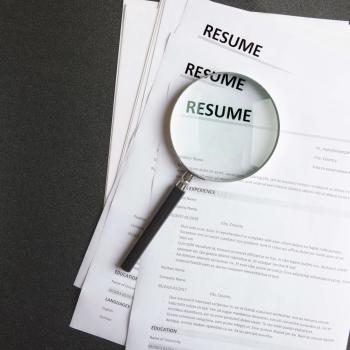
Book Report Alternative: Characters for Hire! Studying Character in Drama
Grades
9 - 12
|
Lesson Plan
|
Standard Lesson
Book Report Alternative: Characters for Hire! Studying Character in Drama
In this alternative to the traditional book report, students respond to a play they have read by creating a resume for one of its characters.
An Introduction to <i>Julius Caesar</i> Using Multiple-Perspective Universal Theme Analysis
Grades
9 - 12
|
Lesson Plan
An Introduction to Julius Caesar Using Multiple-Perspective Universal Theme Analysis

This resource is an introduction to William Shakespeare's tragic play, The Tragedy of Julius Caesar, through the study of universal themes using multiple-perspective investigations of betrayal scenarios.
Grades
6 - 10
|
Lesson Plan
|
Standard Lesson
Blending the Past with Today's Technology: Using Prezi to Prepare for Historical Fiction
To prepare for literature circles featuring historical novels, students research the decades of the 1930s to the 1990s and share their information using Prezi, a web application for creating multimedia presentations.
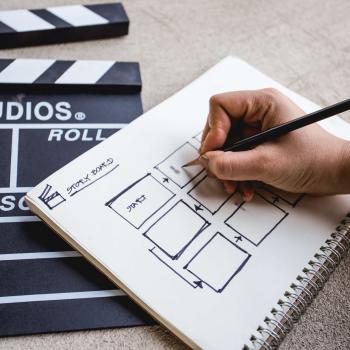
From Text to Film: Exploring Classic Literature Adaptations
Grades
8 - 12
|
Lesson Plan
|
Standard Lesson
From Text to Film: Exploring Classic Literature Adaptations
Students create storyboards to compare and contrast a book and its film adaptation.

Audience & Purpose: Evaluating Disney's Changes to the Hercules Myth
Grades
5 - 8
|
Lesson Plan
|
Standard Lesson
Audience & Purpose: Evaluating Disney's Changes to the Hercules Myth
What drives changes to classic myths and fables? In this lesson students evaluate the changes Disney made to the myth of "Hercules" in order to achieve their audience and purpose.
Reading Shakespeare's <i>The Tempest</i> through a Postcolonial Lens
Grades
9 - 12
|
Lesson Plan
|
Unit
Reading Shakespeare's The Tempest through a Postcolonial Lens
Students take a postcolonial perspective on the portrayal of Caliban from Shakespeare's The Tempest by comparing it to a modern adaptation of the play.
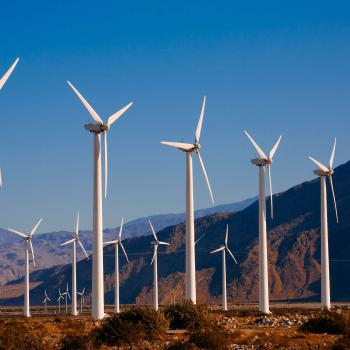
Getting Graphic with Alternative Energy Sources
Grades
7 - 12
|
Lesson Plan
|
Standard Lesson
Getting Graphic with Alternative Energy Sources
After researching alternative sources of energy, students create online comic books to present their information.
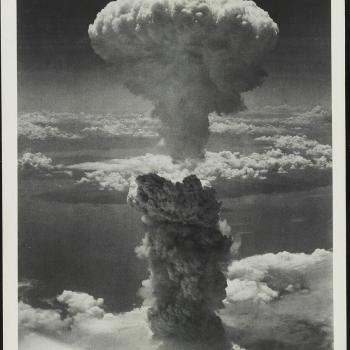
A Blast from the Past with Nuclear Chemistry
Grades
11 - 12
|
Lesson Plan
|
Standard Lesson
A Blast from the Past with Nuclear Chemistry
After researching the history and basic facts of a nuclear chemistry topic, students utilize the Web 2.0 tool Timetoast to create an electronic timeline that they use to present their research to the class.

Pagination

  • Page 1
  • Page 2
  • Page 3
  • Page 4
  • Next page ››
  • Last page Last »

Explore Resources by Grade

  • KindergartenK
  • 1-2
  • 3-4
  • 5-6
  • 7-8
  • 9-10
  • 11-12

RWT-logo

Powered By NCTE

Footer 1 Menu

  • About
  • Classroom Resources
  • Professional Development
  • Collections
  • Contact Us

Footer 2 Menu

  • National Council of Teachers of English
  • Contribute to RWT
  • FAQs
  • Join NCTE

Footer 3 Menu

  • Legal Notices
  • Privacy Policy
  • Promotional Materials
  • Site Demonstrations

Want to stay in touch with RWT and NCTE? Sign up here!

  • Facebook
  • Twitter
  • Instagram
  • Pinterest
  • YouTube

© NCTE 2026. All rights reserved