ReadWriteThink - Powered by NCTE
  • About
  • Classroom Resources
    • Lesson Plans
    • Teaching Comics
    • Teaching With Primary Resources
    • Calendar
    • Printouts
    • Student Interactives
  • Collections
    • Assessment
    • Authors
    • Booklists
    • Media Literacy
    • Poetry
    • Primary Sources
    • Writing
  • Professional Development
    • Strategy Guides
    • Professional Library
    • Meetings & Events
  • Join NCTE
  • Contact Us
  • About
  • Classroom Resources
    • Lesson Plans
    • Teaching Comics
    • Teaching With Primary Resources
    • Calendar
    • Printouts
    • Student Interactives
  • Collections
    • Assessment
    • Authors
    • Booklists
    • Media Literacy
    • Poetry
    • Primary Sources
    • Writing
  • Professional Development
    • Strategy Guides
    • Professional Library
    • Meetings & Events
  • Join NCTE
  • Contact Us
  • Facebook
  • Twitter
  • Instagram
  • Pinterest
  • YouTube

Breadcrumb

  1. Home

Type

  • Classroom Resources
  • Professional Development

Grades

  • 1 (62)
  • 2 (60)
  • 3 (85)
  • 4 (88)
  • 5 (111)
  • 6 (150)
  • 7 (159)
  • 8 (161)
  • 9 (170)
  • 10 (166)
  • 11 (157)
  • 12 (156)
  • K (57)

Learning Objectives

  • (-) multimodal literacy (260)
  • (-) print awareness (89)
  • collaboration (458)
  • Comprehension (508)
  • critical thinking (649)
  • digital literacy (154)
  • Grammar (57)
  • inquiry / research (350)
  • listening (182)
  • literary analysis (367)
  • Media literacy (205)
  • metacognition (302)
  • multicultural awareness (113)
  • oral communication (224)
  • phonological awareness (61)
  • reading fluency (67)
  • reading genres (290)
  • Spelling (51)
  • text structure / story structure (242)
  • Vocabulary (191)
  • writing genres (382)
  • writing process (421)

Topics

  • arts
  • careers
  • community
  • drama
  • ELL
  • Family
  • fiction
  • Mathematics
  • Mobile Learning
  • nonfiction
  • poetry
  • science
  • seasons / holidays
  • social action
  • social studies / history
  • Sports
  • STEM
A Picture's Worth a Thousand Words: From Image to Detailed Narrative
Grades
6 - 8
|
Lesson Plan
|
Standard Lesson
A Picture's Worth a Thousand Words: From Image to Detailed Narrative

The old cliche, "A picture is worth a thousand words" is put to the test when students write their own narrative interpretations of events shown in an image.

Writing a Flashback and Flash-Forward Story Using Movies and Texts as Models
Grades
6 - 8
|
Lesson Plan
|
Standard Lesson
Writing a Flashback and Flash-Forward Story Using Movies and Texts as Models
Using the film The Sandlot, students are introduced to the literary devices of flashbacks and flash-forwards. They then write their own stories using those devices.
Growing Readers and Writers with Help from Mother Goose
Grades
K
|
Lesson Plan
|
Recurring Lesson
Growing Readers and Writers with Help from Mother Goose
Watch Mother Goose work her magic! This lesson uses nursery rhymes to help emergent readers remember the letters and their sounds and identify word chunks.
Story Character Homepage
Grades
6 - 8
|
Lesson Plan
|
Unit
Story Character Homepage
Students analyze personal homepages, as well as a character in a book they have read, and then create a homepage for the character.

Get the Reel Scoop: Comparing Books to Movies
Grades
3 - 5
|
Lesson Plan
Get the Reel Scoop: Comparing Books to Movies
Students compare a book to its film adaptation, and then perform readers theater of a scene from the book that they feel was not well represented in the movie version.
Draw a Story: Stepping from Pictures to Writing
Grades
K - 1
|
Lesson Plan
|
Standard Lesson
Draw a Story: Stepping from Pictures to Writing
Students draw a series of pictures that tell a story, including character action, problem and solution. They ‘read' their story to others, transcribe it into writing, and create an accordion book.

Have Journal...Will Travel: Promoting Family Involvement in Literacy
Grades
K - 2
|
Lesson Plan
|
Recurring Lesson
Have Journal...Will Travel: Promoting Family Involvement in Literacy
Students build positive memories of literacy activities when they take turns taking home a book bag stuffed with items to encourage literacy interactions with their families.

What's in a Name? Teaching Concepts of Letter and Word
Grades
K
|
Lesson Plan
|
Recurring Lesson
What's in a Name? Teaching Concepts of Letter and Word
In this recurring activity, the process of choosing a helper for the day becomes a literacy activity, with the helper's name as a starting place for reading and writing.
Playing with Prepositions through Poetry
Grades
3 - 5
|
Lesson Plan
|
Standard Lesson
Playing with Prepositions through Poetry
Students play with and explore prepositions during a whole group reading of Ruth Heller's Behind the Mask, and then by composing and publishing prepositional poems based on the book's style.
From Stop Signs to the Golden Arches: Environmental Print
Grades
K - 1
|
Lesson Plan
|
Unit
From Stop Signs to the Golden Arches: Environmental Print
Students bring the print-rich environment of the community into the classroom through the use of environmental print, enabling emergent readers to delight in the realization that they are indeed readers.

Introducing Each Other: Interviews, Memoirs, Photos, and Internet Research
Grades
6 - 8
|
Lesson Plan
|
Unit
Introducing Each Other: Interviews, Memoirs, Photos, and Internet Research
Students use their communication and writing skills as they interview a partner, write an article about them, and create a multimodal presentation to introduce their partner to the class.
Quantitative Civic Reasoning
Grades
4 - 12
|
Professional Library
|
Professional Library
Quantitative Civic Reasoning: A Guide for Centering Civic Innovation in Math and English Language Arts Classrooms

This guide explores quantitative civic reasoning in English and math classrooms.

Rosa Parks was born on this day in 1913.
Grades
K - 12
|
Calendar Activity
|
Historical Figure & Event
Rosa Parks was born on this day in 1913.
Rosa Parks was committed to the struggle for social justice and human rights until her death, inspiring millions of people around the world. Today, we celebrate her!
ReadAcrossAmerica
Grades
K - 12
|
Calendar Activity
|
Literacy-Related Event
Read Across America Day: Celebrate a Nation of Diverse Readers

Bring the celebration of reading and literacy into your classroom, library, school, and home all year long.
Literary Graffiti
Grades
9 - 12
|
Student Interactive
|
Organizing & Summarizing
Literary Graffiti
Literary Graffiti, a high school version of the Doodle Splash student interactive, also aims to teach students to visualize what they are reading to help them develop as readers.
Fact Fragment Frenzy
Grades
1 - 6
|
Student Interactive
|
Inquiry & Analysis
Fact Fragment Frenzy

Fact Fragment Frenzy provides elementary students with an online model for finding facts in nonfiction text, then invites students to find facts in five sample passages.
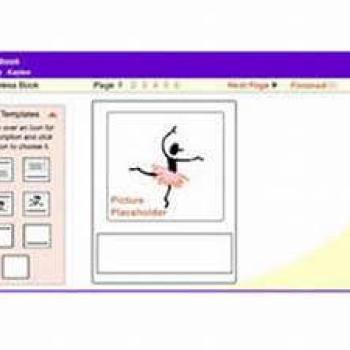
Stapleless Book
Grades
K - 12
|
Student Interactive
|
Writing & Publishing Prose
Stapleless Book

The Stapleless Book can be used for taking notes while reading, making picture books, collecting facts, or creating vocabulary booklets . . . the possibilities are endless!
Power of Picture Books, The: Using Content Area Literature in Middle School
Grades
5 - 9
|
Professional Library
|
Book
Power of Picture Books, The: Using Content Area Literature in Middle School
Featuring descriptions and activities for fifty exceptional titles, Mary Jo Fresch and Peggy Harkins offer a wealth of ideas for harnessing the power of picture books to improve reading and writing in the content areas.
360 Degrees of Text: Using Poetry to Teach Close Reading and Powerful Writing
Grades
6 - 12
|
Professional Library
|
Book
360 Degrees of Text: Using Poetry to Teach Close Reading and Powerful Writing
Through Eileen Murphy Buckley's 360-degree approach to teaching critical literacy, students investigate texts through a full spectrum of learning modalities, harnessing the excitement of performance, imitation, creative writing, and argument/debate activities to become more powerful thinkers, readers, and writers.
Technology That Powers Up Learning
Grades
5 - 8
|
Professional Library
|
Journal
Technology That Powers Up Learning
By designing lessons to activate prior knowledge and linking these activities to reading and writing, teachers found that students were more engaged, that they learned more material more quickly, and that they more willingly incorporated reading into their lives.

Pagination

  • First page « First
  • Previous page ‹‹
  • Page 1
  • Page 2
  • Page 3
  • Page 4
  • Page 5
  • Page 6
  • Page 7
  • Page 8
  • Page 9
  • …
  • Next page ››
  • Last page Last »

Explore Resources by Grade

  • KindergartenK
  • 1-2
  • 3-4
  • 5-6
  • 7-8
  • 9-10
  • 11-12

RWT-logo

Powered By NCTE

Footer 1 Menu

  • About
  • Classroom Resources
  • Professional Development
  • Collections
  • Contact Us

Footer 2 Menu

  • National Council of Teachers of English
  • Contribute to RWT
  • FAQs
  • Join NCTE

Footer 3 Menu

  • Legal Notices
  • Privacy Policy
  • Promotional Materials
  • Site Demonstrations

Want to stay in touch with RWT and NCTE? Sign up here!

  • Facebook
  • Twitter
  • Instagram
  • Pinterest
  • YouTube

© NCTE 2026. All rights reserved