Students write persuasive letters to their librarian requesting that specific texts be added to the school library. As they work, students plan their arguments and outline their reasons and examples.

Dear Librarian: Writing a Persuasive Letter

Our Classroom: Writing an Owner's Manual
Students write an owner's manual that helps them get to know their classroom, provides them with a sense of ownership, and lets others know about their classroom.

Once Upon a Time Rethought: Writing Fractured Fairy Tales
Students read and analyze fairy tales, identifying their common elements. They then write their own "fractured" fairy tales by changing one of the literary elements found in the original.
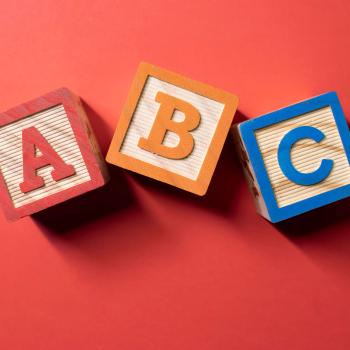
Our Community: Creating ABC Books as Assessment
Students create alphabet books, which are used as an integrated assessment with science, health, social studies, and any other content area. This lesson plans looks at the theme of community.
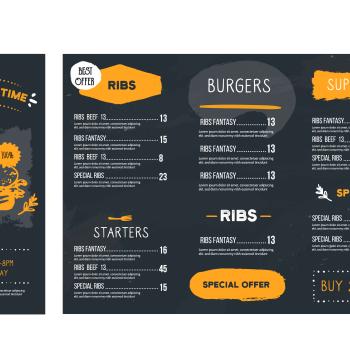
Cooking Up Descriptive Language: Designing Restaurant Menus
Students explore the menu genre by analyzing existing menus from local restaurants. They review adjectives and descriptive writing and then work in groups to create their own custom menus.

Question and Answer Books--From Genre Study to Report Writing
After exploring several question and answer books on a variety of topics, students research a topic and create their own class question and answer book.

Paying Attention to Technology: Reviewing a Technology
Students read and analyze technology reviews to establish the characteristics of the genre. They then compose their own reviews on a technology of their choice.

A Bear of a Poem: Composing and Performing Found Poetry
Children find favorite words, phrases, and sentences from familiar stories. Working together, they combine their words and phrases to create a poem. The poem is then shared as performance poetry.
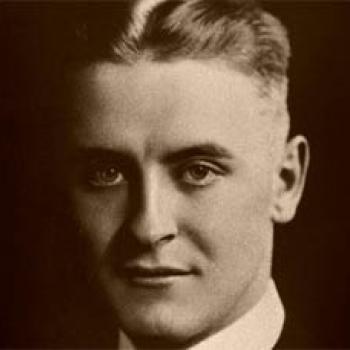
Connotation, Character, and Color Imagery in The Great Gatsby
Students explore the connotations of the colors associated with the characters in F. Scott Fitzgerald's The Great Gatsby.
Discovering Traditional Sonnet Forms
Students read sonnets, charting the poems' characteristics and using their observations to deduce traditional sonnet forms. They then write original sonnets, using a poem they have analyzed as a model.

Completing the Circle: The Craft of Circular Plot Structure
Students identify, explore and apply the elements of circle plot structures to their own stories by using graphic organizers, reading and writing stories, and using checklists to assess their work.

A Significant Influence: Describing an Important Teacher in Your Life
In this project, students write tributes to teachers who have made a profound difference in their lives then publish their work in a class collection.

Exploring Sets through Math-Related Book Pairs
After reading two math-related books, students investigate their home and school environments to find examples of objects that come in sets and then create their own books on sets.

Exploring Satire with Shrek
The movie Shrek introduces the satirical techniques of exaggeration, incongruity, reversal, and parody. Students brainstorm fairy tale characteristics, identify satirical techniques, then create their own satirical versions of fairy tales.
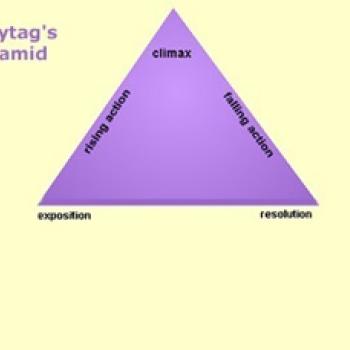
Using Picture Books to Teach Plot Development and Conflict Resolution
Students read picture books to explore the concepts of plot development and conflict resolution. They first learn about the connections between reading and writing, and then revise their own writing.

Literary Characters on Trial: Combining Persuasion and Literary Analysis
Students stage a mock trial for a literary character, with groups of students acting as the prosecution, defense, and jury.

Reader Response in Hypertext: Making Personal Connections to Literature
Students write a narrative of place, a character sketch, an extended metaphor poem and a persuasive essay then link all four texts to quotations they have selected from a novel.
Weather Detectives: Questioning the Fact and Folklore of Weather Sayings
Students adopt a skeptical stance and become weather detectives who ask "Why?" and "Why not?" as they investigate the history and validity of some common weather sayings.
The Year I Was Born: An Autobiographical Research Project
Students explore the year they were born through interviews and research, and then weave the details into a newspaper or booklet, written from another person's point of view.

Investigating the Holocaust: A Collaborative Inquiry Project
Students explore a variety of resources as they learn about the Holocaust. Working collaboratively, they investigate the materials, prepare oral responses, and produce a topic-based newspaper to complete their research.