Students learn about the life and music of John Lennon, write a short story from their lives integrating lyrics from some of their favorite songs, and create a class book of stories.

Songs of Our Lives: Using Lyrics to Write Stories
Cut up, Cover up, and Come Away with Ideas for Writing!
Students rework their forgotten/abandoned drafts by cutting and covering up selected words. By creatively manipulating text, they explore portal writing, a strategy for envisioning a new story or story direction.
Facilitating Student-Led Seminar Discussions with The Piano Lesson
August Wilson's play The Piano Lesson invites students to ask a number of questions—big
and small. Students learn how to create effective discussion questions and then put them to use in student-led discussions.
Speaking Poetry: Exploring Sonic Patterns Through Performance
Using their voices as interpretive instruments, students gain a deeper appreciation of the art of poetry as they prepare a recitation of the frequently anthologized poem "Those Winter Sundays."
Sonic Patterns: Exploring Poetic Techniques Through Close Reading
Students develop close reading skills connecting sound with sense in the poem "Those Winter Sundays," and write an original text that reflects their new learning.
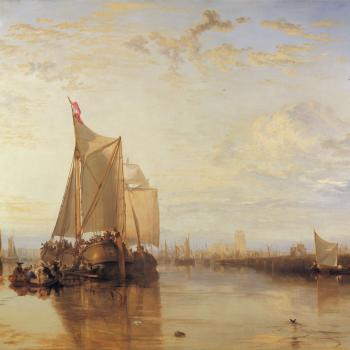
An Exploration of Romanticism Through Art and Poetry
Students use art and poetry to explore and understand major characteristics of the Romantic period.
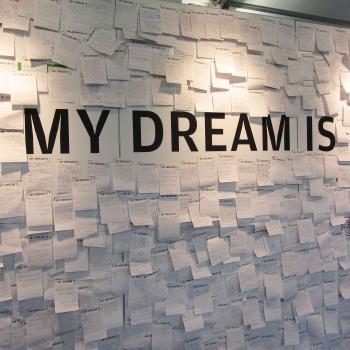
Entering History: Nikki Giovanni and Martin Luther King, Jr.
Nikki Giovanni's poem "The Funeral of Martin Luther King, Jr." is paired with Dr. King's "I Have a Dream" speech, taking students on a quest through time to the Civil Rights movement.
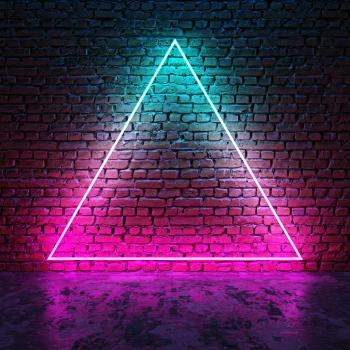
Plot Structure: A Literary Elements Mini-Lesson
Students learn that the plot structure described by Freytag's Pyramid is actually quite familiar as they diagram the plots of a familiar story, a television show, and a narrative poem.
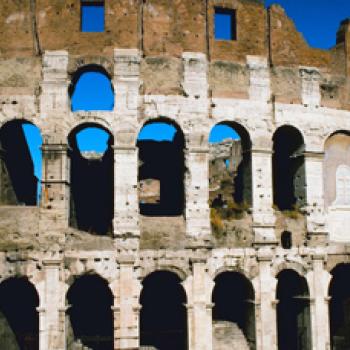
You're the Top! Pop Culture Then and Now
Students analyze the lyrics to Cole Porter's "You're the Top!" and then update them to include current "tops" in pop culture.
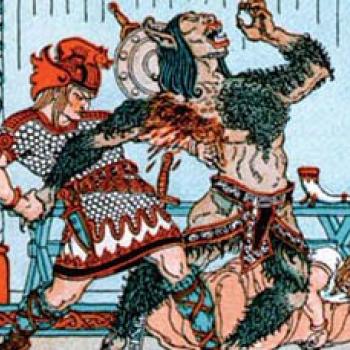
Reading Literature in Translation: Beowulf as a Case Study
Using several translations of the same passage of Beowulf, this lesson introduces students to the idea that translation is not an objective practice, but that it involves "imaginative reconstruction."
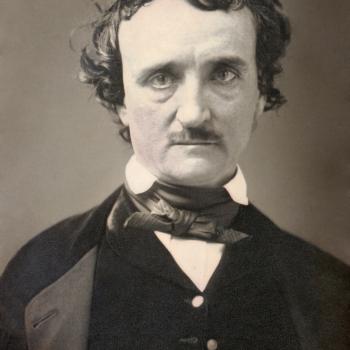
Modeling Reading and Analysis Processes with the Works of Edgar Allan Poe
Explore reading strategies using Edgar Allan Poe's "The Raven" and other works. Students read Poe's works in both large- and small-group readings then conclude with a variety of projects.
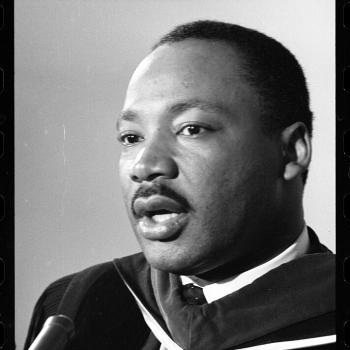
Exploring the Power of Martin Luther King, Jr.'s Words through Diamante Poetry
Students explore the ways that powerful and passionate words communicate the concepts of freedom, justice, discrimination, and the American Dream in Martin Luther King, Jr.'s "I Have a Dream" speech.
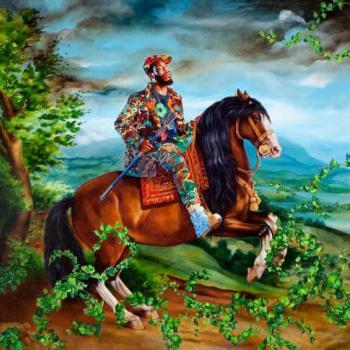
Locating Purpose in Allusion through Art and Poetry
Through this lesson, students will learn how to use the literary term "allusion" in discussing how and why authors and artists draw on and transform subject material.

Making History Come Alive Through Poetry and Song
Students compare the sinking of the Edmund Fitzgerald with the song, "The Wreck of the Edmund Fitzgerald," then create their own poetry about a historical event.

Talking Poetry with Blabberize
Students will be motivated to share their poetry through an online tool the features recording and animation.
Animate that Haiku!
Following the traditional form of the haiku, students publish their own haikus using Animoto, an online web tool to produce slideshows that blend text and music.

Experiencing Haiku Through Mindfulness, Movement & Music
By being present and mindful on nature walks, students write haiku using vivid sensory language; and explore body movement, music and art as visual and kinesthetic representations of their poetry.
Responding to Tragedy: Then and Now
After reading several poets' personal responses to the September 11th terrorist attacks, students write a "then and now" poem that puts their early memories of the event in conversation with their current understanding of and response to the tragedy.
Active Reading through Self-Assessment: The Student-Made Quiz
This recurring lesson encourages students to comprehend their reading through inquiry and collaboration. They choose important quotations from the text and work in groups to formulate "quiz" questions that their peers will answer.
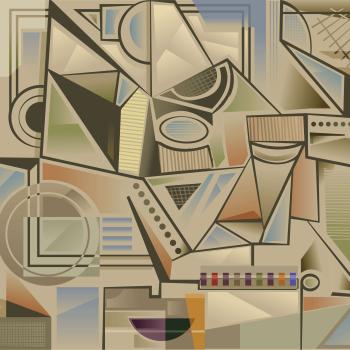
Comparing William Carlos Williams's Poetry with Cubist Paintings
Through discussion, drawing, and writing, students compare how William Carlos Williams's poetry and Cubist and Precisionist painting employ similar artistic strategies, enhancing their understanding of both kinds of text.