Students analyze characterization by creating their own superheroes or super-villains,
complete with related gadgets and settings.
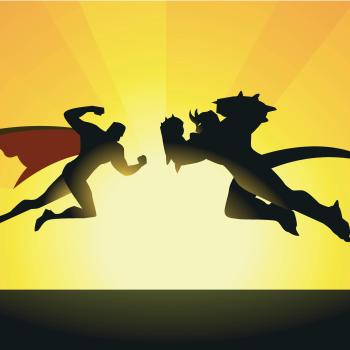
Fantastic Characters: Analyzing and Creating Superheroes and Villains

Creative Writing in the Natural World: A Framing
Students practice writing detailed, sensory-rich descriptions by framing a small piece of nature and freewriting about it. From this minilesson, students can develop a variety of types of writing.

The Mysteries of Harris Burdick: Using Illustrations to Guide Writing
Students use illustrations from The Mysteries of Harris Burdick as a guide to write mysteries
and then present their stories to the class for students to discuss to which illustration each
story corresponds.
Facilitating Student-Led Seminar Discussions with The Piano Lesson
August Wilson's play The Piano Lesson invites students to ask a number of questions—big
and small. Students learn how to create effective discussion questions and then put them to use in student-led discussions.
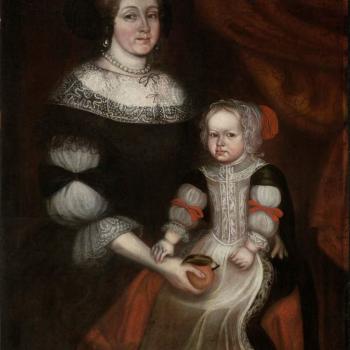
An Exploration of The Crucible through Seventeenth-Century Portraits
In this lesson, students incorporate analyses of characters from The Crucible with examinations of original seventeenth-century portraits of Puritans to create a visual portrait of the character. The project culminates in a "Portrait Gallery Walk" where students present and defend their artwork.
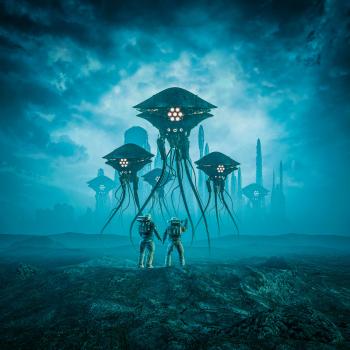
Finding the Science Behind Science Fiction through Paired Readings
Students read science fiction texts and then use nonfiction texts to extrapolate the scientific principles presented as they discuss the "what ifs" within the context of scientific principles.
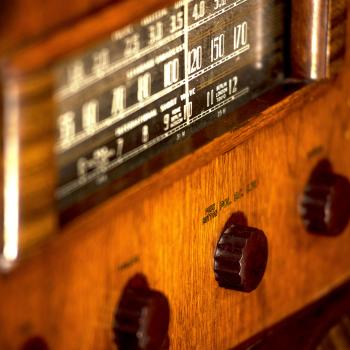
Audio Broadcasts and Podcasts: Oral Storytelling and Dramatization
After exploring Orson Welles' 1938 broadcast of H. G. Wells' War of the Worlds, students create their own audio dramatization of a text they have read.
Weather Detectives: Questioning the Fact and Folklore of Weather Sayings
Students adopt a skeptical stance and become weather detectives who ask "Why?" and "Why not?" as they investigate the history and validity of some common weather sayings.

Paying Attention to Technology: Exploring a Fictional Technology
Students complete a short survey to establish their beliefs about technology. They compare their opinions to the ideas in a novel that depicts technology (such as 1984 or Fahrenheit 451).

Animal Study: From Fiction to Facts
Students listen to fiction and nonfiction read-alouds and explore selected Websites to identify factual information about animals. This lesson focuses on ants, but can be adapted to any animal.

An Introduction to Julius Caesar Using Multiple-Perspective Universal Theme Analysis
This resource is an introduction to William Shakespeare's tragic play, The Tragedy of Julius Caesar, through the study of universal themes using multiple-perspective investigations of betrayal scenarios.
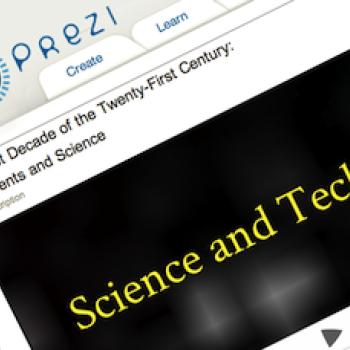
Blending the Past with Today's Technology: Using Prezi to Prepare for Historical Fiction
To prepare for literature circles featuring historical novels, students research the decades of the 1930s to the 1990s and share their information using Prezi, a web application for creating multimedia presentations.
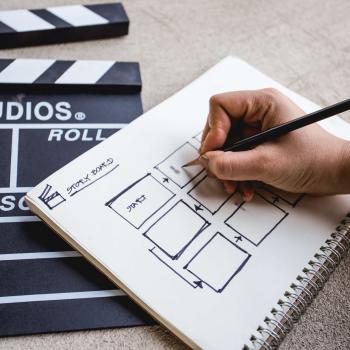
From Text to Film: Exploring Classic Literature Adaptations
Students create storyboards to compare and contrast a book and its film adaptation.

Glogging About Natural Disasters
After researching various natural disasters, students share their findings with each other using glogs, or through poster presentations.

What's the Purpose?: Examining a Cold Manipulation of Language
With a crafty pen, Truman Capote wrote In Cold Blood to create a new genre and shock his audience. This lesson will help students examine Capote's manipulation of language as he forces his audience to take a different look at murderers and consider a different definition of nonfiction. His unique purpose leaves students an interesting text to consider.

Audience & Purpose: Evaluating Disney's Changes to the Hercules Myth
What drives changes to classic myths and fables? In this lesson students evaluate the changes Disney made to the myth of "Hercules" in order to achieve their audience and purpose.

Reading Shakespeare's The Tempest through a Postcolonial Lens
Students take a postcolonial perspective on the portrayal of Caliban from Shakespeare's The Tempest by comparing it to a modern adaptation of the play.
Get the Reel Scoop: Comparing Books to Movies
Students compare a book to its film adaptation, and then perform readers theater of a scene from the book that they feel was not well represented in the movie version.
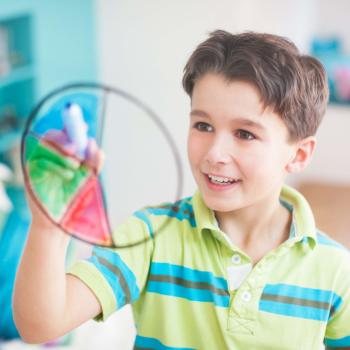
Listen, Look, and Learn: An Information-Gathering Process
After listening to and discussing the story Score One for the Sloths, primary students research the sloth. Students use a variety of resources, including an information wheel graphic organizer.
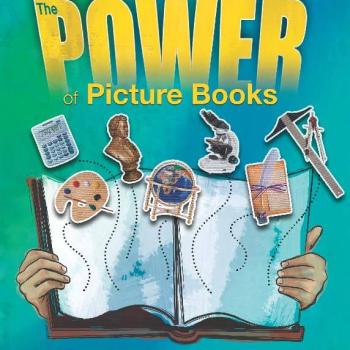
Power of Picture Books, The: Using Content Area Literature in Middle School
Featuring descriptions and activities for fifty exceptional titles, Mary Jo Fresch and Peggy Harkins offer a wealth of ideas for harnessing the power of picture books to improve reading and writing in the content areas.