Students create brochures on the same topic as another piece of writing they have done, highlighting how shifting purposes and audiences creates changes in their strategies as writers.
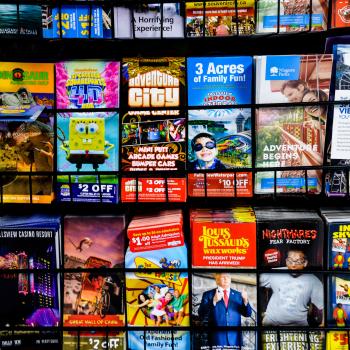
Brochures: Writing for Audience and Purpose
Letters and Learning Genre
Using their prior knowledge of books containing letters, students show their understanding of genre by rewriting a story and reflecting on how traditional stories differs from stories told in letters.

Comparing and Contrasting: Picturing an Organizational Pattern
Using picture books as mentor texts, students learn effective strategies for organizing information that compares and contrasts. Students can then apply appropriate organizational strategies to their own papers.

Involving Students and Families in Ongoing Reflection and Assessment
Students begin by writing a sentence or two each week and progress to daily reflections and records of their school activity. Families respond to these student reflections, which become the basis for discussion among family, teacher, and students.

Once Upon a Fairy Tale: Teaching Revision as a Concept
Students use fractured fairy tales to practice revision and editing as separate activities when they write their own versions of fairy tales.

Exploring Language and Identity: Amy Tan's "Mother Tongue" and Beyond
Students explore the idea of "different Englishes" by reading Amy Tan's "Mother Tongue" and writing literacy narratives about their own use of different language for different audiences and purposes.

Writing about Writing: An Extended Metaphor Assignment
After discussing the poem "The Writer" by Richard Wilbur, students analyze their own writing habits and create an extended metaphor describing themselves as writers.

Draft Letters: Improving Student Writing through Critical Thinking
Draft letters ask students to think critically about their writing on a specific assignment before submitting their work to a reader. This lesson explains and provides models for the strategy.

Put That on the List: Independently Writing a Catalog Poem
In this follow-up to writing collaborative catalog poems, students write individual catalog poems about what really matters in their lives, based on Carver's poem "The Car."

Graphing Plot and Character in a Novel
In this graphical mapping project, students assign a value to the events, characters, and themes in a novel and think about how the elements of the story are all interconnected.
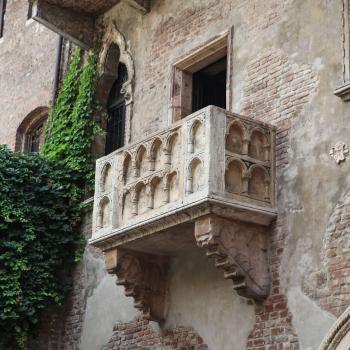
Star-Crossed Lovers Online: Romeo and Juliet for a Digital Age
Explore the modern significance of an older text, such as Shakespeare's Romeo and Juliet, by asking students to create their own modern interpretation of specific events from the drama.

Once Upon a Time Rethought: Writing Fractured Fairy Tales
Students read and analyze fairy tales, identifying their common elements. They then write their own "fractured" fairy tales by changing one of the literary elements found in the original.
Our Community: Creating ABC Books as Assessment
Students create alphabet books, which are used as an integrated assessment with science, health, social studies, and any other content area. This lesson plans looks at the theme of community.

Question and Answer Books--From Genre Study to Report Writing
After exploring several question and answer books on a variety of topics, students research a topic and create their own class question and answer book.
Developing Reading Plans to Support Independent Reading
Students analyze their past readings and use that knowledge to create reading plans for the future.

Completing the Circle: The Craft of Circular Plot Structure
Students identify, explore and apply the elements of circle plot structures to their own stories by using graphic organizers, reading and writing stories, and using checklists to assess their work.

Talking, Writing, and Reasoning: Making Thinking Visible with Math Journals
Students explore how their problem-solving strategies work by writing in math journals as they work in small groups to solve a math puzzle with multiple solutions.

Exploring Satire with Shrek
The movie Shrek introduces the satirical techniques of exaggeration, incongruity, reversal, and parody. Students brainstorm fairy tale characteristics, identify satirical techniques, then create their own satirical versions of fairy tales.
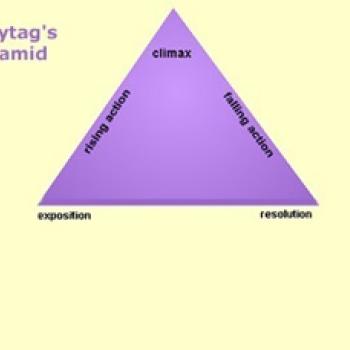
Using Picture Books to Teach Plot Development and Conflict Resolution
Students read picture books to explore the concepts of plot development and conflict resolution. They first learn about the connections between reading and writing, and then revise their own writing.

Examining Plot Conflict through a Comparison/Contrast Essay
Students explore picture books to identify the characteristics of four types of conflict. They then write about a conflict they have experienced and compare it to a conflict from literature.