Students explore how their problem-solving strategies work by writing in math journals as they work in small groups to solve a math puzzle with multiple solutions.

Talking, Writing, and Reasoning: Making Thinking Visible with Math Journals
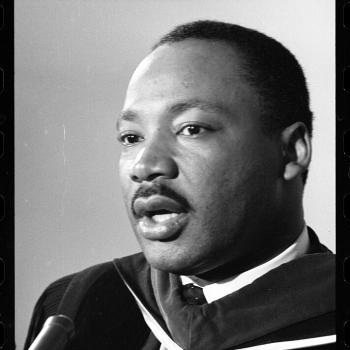
Exploring the Power of Martin Luther King, Jr.'s Words through Diamante Poetry
Students explore the ways that powerful and passionate words communicate the concepts of freedom, justice, discrimination, and the American Dream in Martin Luther King, Jr.'s "I Have a Dream" speech.

Chasing the Dream: Researching the Meaning of the American Dream
By conducting interviews, sharing and assessing data, and writing papers based on their authentic research, students reach their own conclusions on the meaning of the American Dream.

Talking Poetry with Blabberize
Students will be motivated to share their poetry through an online tool the features recording and animation.
Blending the Past with Today's Technology: Using Prezi to Prepare for Historical Fiction
To prepare for literature circles featuring historical novels, students research the decades of the 1930s to the 1990s and share their information using Prezi, a web application for creating multimedia presentations.

Vote for Me! Making Presidential Commercials Using Avatars
After researching political platforms of past presidents through primary sources and other resources, students create commercials for these presidents using Voki, an online web tool that produces speaking avatars.

Book Report Alternative: Getting Acquainted with Farcebook
In this alternative to the traditional book report, students report on their novel choices using Facebook-like pages.

From Text to Film: Exploring Classic Literature Adaptations
Students create storyboards to compare and contrast a book and its film adaptation.
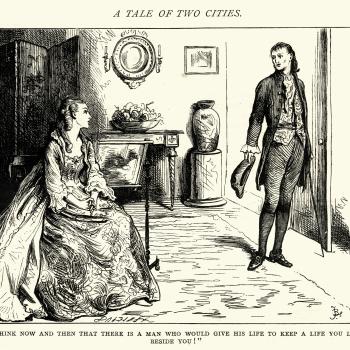
A Tale of a Few Text Messages: A Character Study of A Tale of Two Cities
Students use A Tale of Two Cities to explore relationships, plot points, character traits, and background by writing text messages between characters within the novel.

Glogging About Natural Disasters
After researching various natural disasters, students share their findings with each other using glogs, or through poster presentations.

Experiencing Haiku Through Mindfulness, Movement & Music
By being present and mindful on nature walks, students write haiku using vivid sensory language; and explore body movement, music and art as visual and kinesthetic representations of their poetry.

Name Tag Glyphs
In this lesson, students practice a way to communicate without words by using a glyph. They create a name card using information about themselves. Students also interpret glyphs made by others.
Book Report Alternative: Glog That Book!
In this alternative book report, students identify the elements of fiction in books they have read by creating glogs, interactive multimedia posters, and then share their glogs.

The Passion of Punctuation
Using published writers' texts and students' own writing, this unit explores emotions that are associated with the artful and deliberate use of commas, semicolons, colons, and exclamation points (end-stop marks of punctuation).

Responding to Tragedy: Then and Now
After reading several poets' personal responses to the September 11th terrorist attacks, students write a "then and now" poem that puts their early memories of the event in conversation with their current understanding of and response to the tragedy.
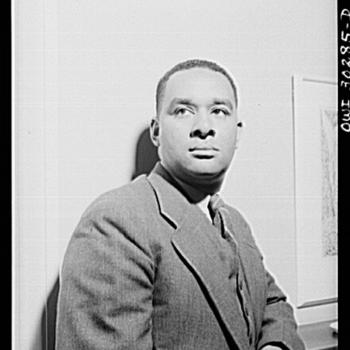
Demonstrating Understanding of Richard Wright's Rite of Passage
Students use the elements of persuasion for a specific audience to demonstrate their understanding of Richard Wright's accessible and engaging coming-of-age novel, Rite of Passage.

Professional Writing in Action! Publishing Student Reviews Online
Writing professional reviews teaches students to understand audience, content, and publication guidelines. In this lesson, students put these into practice as professional writers critiquing, designing, and publishing reviews on Amazon.com.

Authoring an Epilogue That Helps Our Characters Live On
This lesson uses One Green Apple by Eve Bunting to teach how characters change across a text. It will also guide students through writing an epilogue to accompany their independent book.

Developing Persuasive Arguments through Ethical Inquiry: Two Prewriting Strategies
In this lesson, students use focused prewriting strategies to explore content and ethical issues related to a persuasive assignment.

What's the Purpose?: Examining a Cold Manipulation of Language
With a crafty pen, Truman Capote wrote In Cold Blood to create a new genre and shock his audience. This lesson will help students examine Capote's manipulation of language as he forces his audience to take a different look at murderers and consider a different definition of nonfiction. His unique purpose leaves students an interesting text to consider.