Students compare and analyze novels and the movies adapted from them. They design new DVD covers and a related insert for the movies, reflecting their response to the movie version.
Cover to Cover: Comparing Books to Movies
Students as Creators: Exploring Multimedia
Students are introduced to the genre of multimedia presentations through a review and analysis of online presentations. They then apply what they have learned to create their own multimedia presentations.

Students as Creators: Exploring Copyright
This lesson gives students the tools they need to consider the ethical issues surrounding use and ownership of copyrighted materials.

Technology and Copyright Law: A "Futurespective"
Students research and report on instances of how copyright laws have adapted to encompass new technologies. They write articles predicting copyright issues that may arise with new and future technologies.

Copyright Law: From Digital Reprints to Downloads
Students investigate how and why copyright law has changed over time, and apply this information to recent copyright issues, creating persuasive arguments based on the perspective of a particular group.
Gaining Background for the Graphic Novel Persepolis: A WebQuest on Iran
To prepare students for reading the graphic novel Persepolis, this lesson uses a WebQuest to focus students' research on finding reliable information about Iran before and during the Islamic Revolution.
It's My Life: Multimodal Autobiography Project
Students express themselves verbally, visually, and musically by creating multimodal autobiographies, exchanging ideas with other students and sharing important events in their lives through PowerPoint presentations.
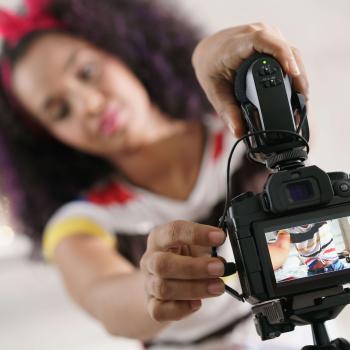
Connecting Past and Present: A Local Research Project
In this unit, students become active archivists, gathering photos, artifacts, and stories for a museum exhibit that highlights one decade in their school's history.
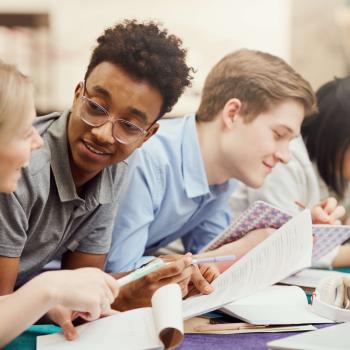
The Children's Picture Book Project
In this lesson students evaluate published children's picture storybooks. Students then plan, write, illustrate, and publish their own children's picture books.
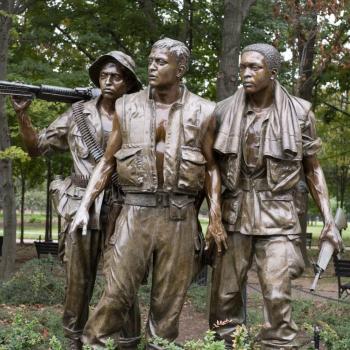
Love of War in Tim O'Brien's "How to Tell a True War Story"
Students explore the theme of love of war through texts on camaraderie among soldiers. They then compose a visual collage depicting their beliefs about the relationship between love and war.
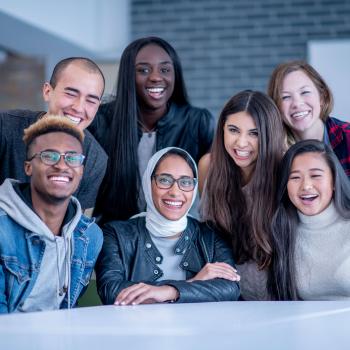
Assessing Cultural Relevance: Exploring Personal Connections to a Text
As a class, students evaluate a nonfiction or realistic fiction text for its cultural relevance to themselves personally and as a group.
Twenty-First Century Informational Literacy: Integrating Research Techniques and Technology
Students develop their reading, writing, research, and technology skills using graphic novels. As a final activity, students create their own graphic novels using comic software.

Analyzing and Podcasting About Images of Oscar Wilde
Students analyze images of Oscar Wilde used to publicize his 1882 American lecture tour. They then compare a caricature to another researched image, sharing this analysis in a podcast.

Website Planning in a Bilingual Classroom
Students complete a family survey and plan a website to share the responses, increasing their understanding and appreciation of their own families and cultures, and their classmates as well.

Making It Visual for ELL Students: Teaching History Using Maus
Spark the engagement of English-language learners or reluctant readers with the graphic novel Maus. The visual information provided by the genre serves as a support for reading and critical engagement.
Using the Internet to Facilitate Improved Reading Comprehension
Could some common online activities actually improve reading comprehension? Understanding RSS feeds requires inferential thinking, as students use the summary to draw conclusions about the full content.

Creating a Persuasive Podcast
Students learn how to get their voice out on the web when they research issues important to them and compose a persuasive podcast to post online.
Learning Clubs: Motivating Middle School Readers and Writers
Students participate in learning clubs, select content area topics, and draw on textsincluding websites, printed material, video, and musicto investigate their topics, and share their learning using similar media.

Thoughtful Threads: Sparking Rich Online Discussions
Today's students love chatting online with friends. This lesson combines that love with literature. Students form literature circles and have meaningful online discussions about a literary work.

Latino Poetry Blog: Blogging as a Forum for Open Discussion
In this lesson, students use blogs to hold discussions about the effect of the factors of culture, history, and environment on Latino poetry.