ReadWriteThink - Powered by NCTE
  • About
  • Classroom Resources
    • Lesson Plans
    • Teaching Comics
    • Teaching With Primary Resources
    • Calendar
    • Printouts
    • Student Interactives
  • Collections
    • Assessment
    • Authors
    • Booklists
    • Media Literacy
    • Poetry
    • Primary Sources
    • Writing
  • Professional Development
    • Strategy Guides
    • Professional Library
    • Meetings & Events
  • Join NCTE
  • Contact Us
  • About
  • Classroom Resources
    • Lesson Plans
    • Teaching Comics
    • Teaching With Primary Resources
    • Calendar
    • Printouts
    • Student Interactives
  • Collections
    • Assessment
    • Authors
    • Booklists
    • Media Literacy
    • Poetry
    • Primary Sources
    • Writing
  • Professional Development
    • Strategy Guides
    • Professional Library
    • Meetings & Events
  • Join NCTE
  • Contact Us
  • Facebook
  • Twitter
  • Instagram
  • Pinterest
  • YouTube

Breadcrumb

  1. Home

Type

  • Classroom Resources
  • Professional Development

Grades

  • 1 (76)
  • 2 (82)
  • 3 (167)
  • 4 (176)
  • 5 (208)
  • 6 (256)
  • 7 (267)
  • 8 (270)
  • 9 (263)
  • 10 (258)
  • 11 (250)
  • 12 (247)
  • K (66)

Learning Objectives

  • (-) inquiry / research (350)
  • (-) multimodal literacy (260)
  • collaboration (458)
  • Comprehension (508)
  • critical thinking (649)
  • digital literacy (154)
  • Grammar (57)
  • listening (182)
  • literary analysis (367)
  • Media literacy (205)
  • metacognition (302)
  • multicultural awareness (113)
  • oral communication (224)
  • phonological awareness (61)
  • print awareness (89)
  • reading fluency (67)
  • reading genres (290)
  • Spelling (51)
  • text structure / story structure (242)
  • Vocabulary (191)
  • writing genres (382)
  • writing process (421)

Topics

  • arts
  • careers
  • community
  • drama
  • ELL
  • Family
  • fiction
  • Mathematics
  • Mobile Learning
  • nonfiction
  • poetry
  • science
  • seasons / holidays
  • social action
  • social studies / history
  • Sports
  • STEM
Grocery Store Scavenger Hunt: Researching Nutrition to Advertise for Health
Grades
6 - 8
|
Lesson Plan
|
Unit
Grocery Store Scavenger Hunt: Researching Nutrition to Advertise for Health
After researching nutrition and analyzing food advertisements, students work in cooperative groups to create their own advertisements for food products.

Modeling Academic Writing Through Scholarly Article Presentations
Grades
9 - 12
|
Lesson Plan
|
Unit
Modeling Academic Writing Through Scholarly Article Presentations

Students prepare an already published scholarly article for presentation, with an emphasis on identification of the author's thesis and argument structure.

Brochures: Writing for Audience and Purpose
Grades
9 - 12
|
Lesson Plan
|
Unit
Brochures: Writing for Audience and Purpose
Students create brochures on the same topic as another piece of writing they have done, highlighting how shifting purposes and audiences creates changes in their strategies as writers.

Family Memoir: Getting Acquainted With Generations Before Us
Grades
9 - 12
|
Lesson Plan
|
Unit
Family Memoir: Getting Acquainted With Generations Before Us
Creating a memoir of an older family member allows students both to learn more about their own backgrounds and to learn the power of storytellers.
Grades
9 - 12
|
Lesson Plan
|
Standard Lesson
Stairway to Heaven: Examining Metaphor in Popular Music
Students explore figurative language by examining the lyrics of popular songs.
Judging a Book by its Cover: The Art and Imagery of <em>The Great Gatsby</em>
Grades
9 - 12
|
Lesson Plan
|
Standard Lesson
Judging a Book by its Cover: The Art and Imagery of The Great Gatsby

Students explore The Great Gatsby's allusion to art and its use of visual imagery and conclude their study by designing their own cover for the novel.
Entering History: Nikki Giovanni and Martin Luther King, Jr.
Grades
6 - 8
|
Lesson Plan
|
Standard Lesson
Entering History: Nikki Giovanni and Martin Luther King, Jr.
Nikki Giovanni's poem "The Funeral of Martin Luther King, Jr." is paired with Dr. King's "I Have a Dream" speech, taking students on a quest through time to the Civil Rights movement.
Travel Brochures: Highlighting the Setting of a Story
Grades
6 - 8
|
Lesson Plan
|
Standard Lesson
Travel Brochures: Highlighting the Setting of a Story
Readers are often transported to the places mentioned in texts through words and descriptions. This lesson invites students to create travel brochures about the setting of texts they have read.
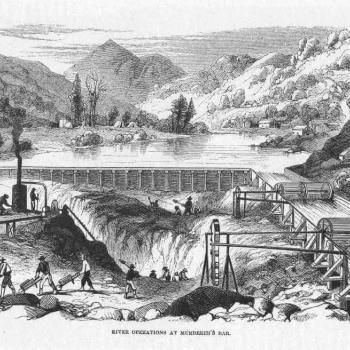
Searching for Gold: A Collaborative Inquiry Project
Grades
3 - 5
|
Lesson Plan
|
Unit
Searching for Gold: A Collaborative Inquiry Project
Each small group of students researches one aspect of the same big topic, such as the Gold Rush, and teaches what they have learned to the rest of the class.
Communicating on Local Issues: Exploring Audience in Persuasive Letter Writing
Grades
9 - 12
|
Lesson Plan
|
Standard Lesson
Communicating on Local Issues: Exploring Audience in Persuasive Letter Writing

Students will research a local issue, and then write letters to two different audiences, asking readers to take a related action or adopt a specific position on the issue.

Campaigning for Fair Use: Public Service Announcements on Copyright Awareness
Grades
6 - 8
|
Lesson Plan
|
Unit
Campaigning for Fair Use: Public Service Announcements on Copyright Awareness
Students explore a range of resources on fair use and copyright then design their own audio public service announcements (PSAs), to be broadcast over the school's public address system.
Grades
9 - 12
|
Lesson Plan
|
Standard Lesson
From Dr. Seuss to Jonathan Swift: Exploring the History behind the Satire
Use Dr. Seuss's The Butter Battle Book as an accessible introduction to satire. Reading, discussing, and researching this picture book paves the way for a deeper understanding of Gulliver's Travels.
Persuading an Audience: Writing Effective Letters to the Editor
Grades
9 - 12
|
Lesson Plan
|
Standard Lesson
Persuading an Audience: Writing Effective Letters to the Editor
Students use persuasive writing and an understanding of the characteristics of letters to the editor to compose effective letters to the editor on topics of interest to them.
Finding the Science Behind Science Fiction through Paired Readings
Grades
6 - 8
|
Lesson Plan
|
Standard Lesson
Finding the Science Behind Science Fiction through Paired Readings
Students read science fiction texts and then use nonfiction texts to extrapolate the scientific principles presented as they discuss the "what ifs" within the context of scientific principles.

Decoding <em>The Matrix</em> Exploring Dystopian Characteristics through Film
Grades
9 - 12
|
Lesson Plan
|
Standard Lesson
Decoding The Matrix Exploring Dystopian Characteristics through Film

This lesson uses clips from The Matrix and other dystopian movies to introduce students to the characteristics found in dystopian works, such as Brave New World, Fahrenheit 451, and 1984.

Outside In: Finding A Character's Heart Through Art
Grades
9 - 12
|
Lesson Plan
|
Standard Lesson
Outside In: Finding A Character's Heart Through Art
This activity, inspired by the paintings of Edward Hopper and the stories of Raymond Carver, challenges students to get inside contemporary life and characters through the creation of monologues.
The Comic Book Show and Tell
Grades
9 - 12
|
Lesson Plan
|
Standard Lesson
The Comic Book Show and Tell
Students craft comic scripts using clear, descriptive, and detailed writing that shows (illustrates) and tells (directs). After peers create an artistic interpretation of the script, students revise their original scripts.
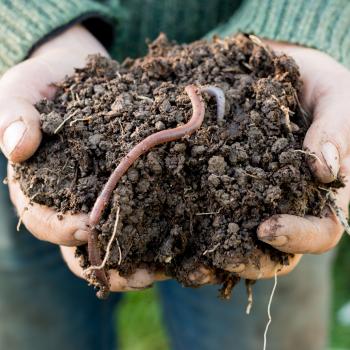
Digging Up Details on Worms: Using the Language of Science in an Inquiry Study
Grades
K - 2
|
Lesson Plan
|
Standard Lesson
Digging Up Details on Worms: Using the Language of Science in an Inquiry Study
This lesson, in which students research worms in order to create a classroom habitat, incorporates reading and writing across content areas as well as math and science activities.

Defining Literacy in a Digital World
Grades
9 - 12
|
Lesson Plan
|
Standard Lesson
Defining Literacy in a Digital World
Through listing and observation, students identify the many texts that they read and compose—including books and magazines, television shows, movies, audio broadcasts, hypertexts, and animations.

Plot Structure: A Literary Elements Mini-Lesson
Grades
6 - 8
|
Lesson Plan
|
Standard Lesson
Plot Structure: A Literary Elements Mini-Lesson

Students learn that the plot structure described by Freytag's Pyramid is actually quite familiar as they diagram the plots of a familiar story, a television show, and a narrative poem.

Pagination

  • First page « First
  • Previous page ‹‹
  • Page 1
  • Page 2
  • Page 3
  • Page 4
  • Page 5
  • Page 6
  • Page 7
  • Page 8
  • Page 9
  • …
  • Next page ››
  • Last page Last »

Explore Resources by Grade

  • KindergartenK
  • 1-2
  • 3-4
  • 5-6
  • 7-8
  • 9-10
  • 11-12

RWT-logo

Powered By NCTE

Footer 1 Menu

  • About
  • Classroom Resources
  • Professional Development
  • Collections
  • Contact Us

Footer 2 Menu

  • National Council of Teachers of English
  • Contribute to RWT
  • FAQs
  • Join NCTE

Footer 3 Menu

  • Legal Notices
  • Privacy Policy
  • Promotional Materials
  • Site Demonstrations

Want to stay in touch with RWT and NCTE? Sign up here!

  • Facebook
  • Twitter
  • Instagram
  • Pinterest
  • YouTube

© NCTE 2026. All rights reserved