Students engage in a rich study of vocabulary words from the song "America the Beautiful," using music and art.

"America the Beautiful": Using Music and Art to Develop Vocabulary

Brochures: Writing for Audience and Purpose
Students create brochures on the same topic as another piece of writing they have done, highlighting how shifting purposes and audiences creates changes in their strategies as writers.

Family Memoir: Getting Acquainted With Generations Before Us
Creating a memoir of an older family member allows students both to learn more about their own backgrounds and to learn the power of storytellers.
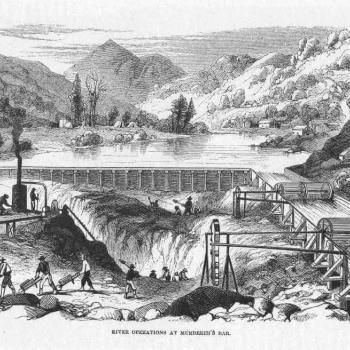
Searching for Gold: A Collaborative Inquiry Project
Each small group of students researches one aspect of the same big topic, such as the Gold Rush, and teaches what they have learned to the rest of the class.

Campaigning for Fair Use: Public Service Announcements on Copyright Awareness
Students explore a range of resources on fair use and copyright then design their own audio public service announcements (PSAs), to be broadcast over the school's public address system.

Audio Broadcasts and Podcasts: Oral Storytelling and Dramatization
After exploring Orson Welles' 1938 broadcast of H. G. Wells' War of the Worlds, students create their own audio dramatization of a text they have read.
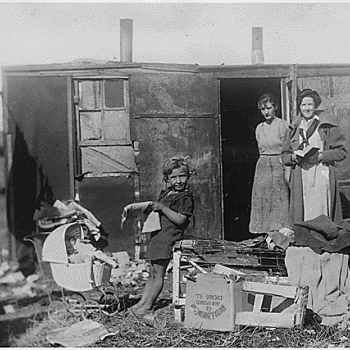
Designing Museum Exhibits for The Grapes of Wrath: A Multigenre Project
Using The Grapes of Wrath as a backdrop, students conduct research on issues that the novel addresses, publishing their findings in a multigenre museum exhibit.
Comparing Fiction and Nonfiction with "Little Red Riding Hood Text" Sets
Students discuss and compare differing versions of "Little Red Riding Hood" and other tales about wolves in cumulative read-aloud sessions and text set explorations.

Using Student-Centered Comprehension Strategies with Elie Wiesel's Night
Working in small groups, students read and discuss Elie Wiesel's memoir Night and then take turns assuming the "teacher" role, as the class works with four different comprehension strategies.

Copyright Infringement or Not? The Debate over Downloading Music
This lesson takes advantage of students' interest in music and audio sharing. Students investigate multiple perspectives in the music downloading debate and develop a persuasive argument for a classroom debate.

Literature as a Jumping Off Point for Nonfiction Inquiry
Students use text sets to research a topic inspired by a fiction book they have read. A text set is a collection of multiple text genres with a single focus.

Question and Answer Books--From Genre Study to Report Writing
After exploring several question and answer books on a variety of topics, students research a topic and create their own class question and answer book.
The History Behind Song Lyrics
Students research the items listed in the song "We Didn't Start the Fire" by Billy Joel, noting their historical relevance, and then document their findings using an online chart.
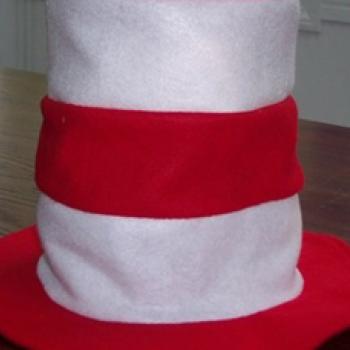
Id, Ego, and Superego in Dr. Seuss's The Cat in the Hat
Dr. Seuss's The Cat in the Hat is used as a primer to teach students how to analyze a literary work using plot, theme, characterization, and psychoanalytical criticism.

Literary Characters on Trial: Combining Persuasion and Literary Analysis
Students stage a mock trial for a literary character, with groups of students acting as the prosecution, defense, and jury.

Investigating the Holocaust: A Collaborative Inquiry Project
Students explore a variety of resources as they learn about the Holocaust. Working collaboratively, they investigate the materials, prepare oral responses, and produce a topic-based newspaper to complete their research.

Voting! What's It All About?
Students explore a variety of sources for information about voting. They evaluate the information to determine if it is fact or opinion, and then create a graffiti wall about voting.

Examining Transcendentalism through Popular Culture
Using excerpts from the works of Ralph Waldo Emerson and Henry David Thoreau, comics, and songs from different musical genres, students examine the characteristics of transcendentalism.
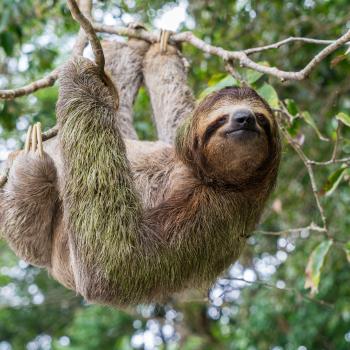
Investigating Animals: Using Nonfiction for Inquiry-based Research
Inspired by their curiosity about animals, students work together to research an animal of their choice and present the information they gather to an authentic audience.
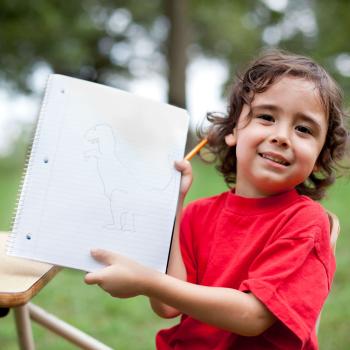
Writing Reports in Kindergarten? Yes!
This lesson encourages young students to see themselves as writers with a message to convey. Three types of reports are provided to show what kindergartners and emergent writers can do.