Students research the items listed in the song "We Didn't Start the Fire" by Billy Joel, noting their historical relevance, and then document their findings using an online chart.
The History Behind Song Lyrics
Improving Fluency through Group Literary Performance
Students participate in shared reading, choral reading, and readers theater, using books by Bill Martin, Jr. Repeated readings and literary performances help students with their reading accuracy, expression, and rate.
Introducing the Venn Diagram in the Kindergarten Classroom
In this lesson, kindergarten students manipulate hula hoops and real objects, as they use Venn diagrams to problem solve, explore, and record information to share with others.
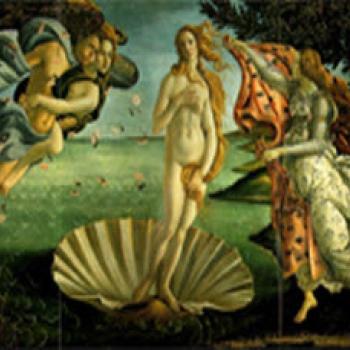
Renaissance Humanism in Hamlet and The Birth of Venus
After reading Shakespeare's Hamlet, students identify, analyze, and explain how elements in Botticelli's painting Birth of Venus and examples from the play illustrate the philosophy of Renaissance Humanism.

Book Report Alternative: Writing Resumes for Characters in Historical Fiction
Students write resumes for historical fiction characters. They first explore help wanted ads to see what employers want, and then draft resumes for the characters they've chosen.
Book Report Alternative: Creating Careers for Characters
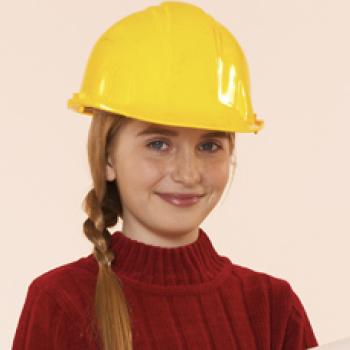
Students select a job listing for a character in a book they have read, then create a resume and application letter for that character.

Graffiti Wall: Discussing and Responding to Literature Using Graphics
Tap students' desires to doodle and draw by having them create a Graffiti Wall, using graphics to discuss a piece of literature that has been read by the whole class.
Book Report Alternative: Characters for Hire! Studying Character in Drama
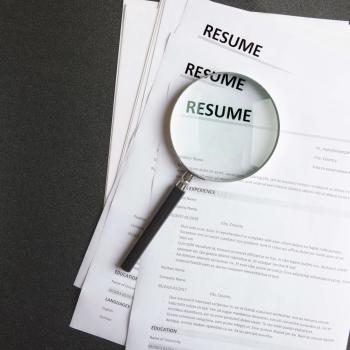
In this alternative to the traditional book report, students respond to a play they have read by creating a resume for one of its characters.

Doodle Splash: Using Graphics to Discuss Literature
Students keep a doodle journal while reading short stories by a common author. In small groups, students then combine their doodles into a graphic representation of the text.
Locating Purpose in Allusion through Art and Poetry
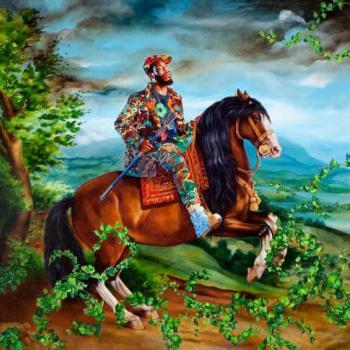
Through this lesson, students will learn how to use the literary term "allusion" in discussing how and why authors and artists draw on and transform subject material.
Blending the Past with Today's Technology: Using Prezi to Prepare for Historical Fiction
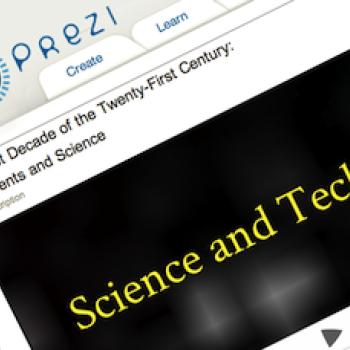
To prepare for literature circles featuring historical novels, students research the decades of the 1930s to the 1990s and share their information using Prezi, a web application for creating multimedia presentations.

Book Report Alternative: Getting Acquainted with Farcebook
In this alternative to the traditional book report, students report on their novel choices using Facebook-like pages.
Animate that Haiku!
Following the traditional form of the haiku, students publish their own haikus using Animoto, an online web tool to produce slideshows that blend text and music.
Book Report Alternative: Glog That Book!
In this alternative book report, students identify the elements of fiction in books they have read by creating glogs, interactive multimedia posters, and then share their glogs.
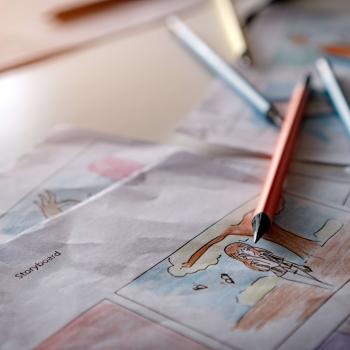
Storyboarding the Transformation from Dr. Jekyll into Mr. Hyde
Students imagine and storyboard their own vision of the transformation of Dr. Jekyll into Mr. Hyde and then evaluate movie portrayals.

Designing Elements of Story in Little Blue and Little Yellow
In this series of four lessons, students will explore key elements of design in Little Blue and
Little Yellow to learn about setting, character relationships, and plot.
Audience & Purpose: Evaluating Disney's Changes to the Hercules Myth
What drives changes to classic myths and fables? In this lesson students evaluate the changes Disney made to the myth of "Hercules" in order to achieve their audience and purpose.

Sí, Se Puede: Making a Difference, One Letter at a Time
After reading the book ¡Si, Se Puede!/Yes, We Can!: Janitor Strike in L.A., students learn about labor unions, strikes, and organizing for change. Students interview staff members in their school to learn about their daily work life, and write persuasive advocacy letters.
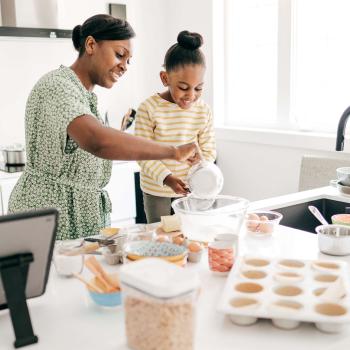
A Recipe for Writing: Fairy Tale Feasts
After examining recipes written based on students' favorite fairy tales, students research a recipe related to their favorite story, book, or fairy tale and include it in a classroom recipe book.

Boars and Baseball: Making Connections
In this lesson, students will make text-to-self, text-to-text, and text-to-world connections after reading In the Year of the Boar and Jackie Robinson. After sharing and discussing connections, students choose and plan a project that makes a personal connection to the text.