Writers and film buffs alike will sharpen their skills in this multimedia unit as they work together to author and design a digital video.

Tell and Show: Writing With Words and Video

Giving Voice to Students Through "This I Believe" Podcasts
Students write and record their own essays for a class blog by first completing a series of activities designed to get them thinking and writing about their experiences.

Get the GIST: A Summarizing Strategy for Any Content Area
GIST is a summarizing technique that can be used in any content area. Students will learn and apply the strategy while doing online research and writing activities on news stories.

Seuss and Silverstein: Posing Questions, Presenting Points
Students will enjoy this blast from the past as they read the works of Dr. Seuss and Shel Silverstein to analyze the way social issues are addressed in selected works.

ABC Bookmaking Builds Vocabulary in the Content Areas
V is for vocabulary. A content area unit provides the theme for a specialized ABC book, as students select, research, define, and illustrate a word for each alphabet letter.

The Peace Journey: Using Process Drama in the Classroom
What does peace mean to you? In this lesson, students attempt to answer this question as they write and perform a short skit that reflects their ideas of peace.

Persuasive Essay: Environmental Issues
How can we convince others to agree with us on important issues? In this lesson, students explore relevant environmental issues and gather information to write persuasive essays.
Exploring Disability Using Multimedia and the B-D-A Reading Strategy
History takes on new dimensions in this interactive multimedia lesson that emphasizes the B-D-A approach to research as students investigate the experiences of people with disabilities since the early 1800s.
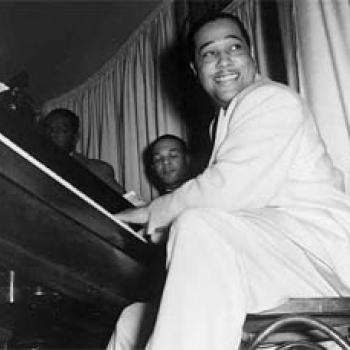
A Harlem Renaissance Retrospective: Connecting Art, Music, Dance, and Poetry
Students research, evaluate, and synthesize information about the Harlem Renaissance from varied resources, create an exhibit, and highlight connections across disciplines (i.e., art, music, and poetry) using a Venn diagram.
Wartime Poetry: Working With Similes
Students analyze a photograph, brainstorm words to describe the characters' senses and feelings, work in pairs to describe a character's experience, and create a poem using their ideas and similes.

Biography Project: Research and Class Presentation
Classroom biography study offers high-interest reading with a purpose, as students begin with inquiry and research, summarize and organize their information, and prepare oral presentations to share with the class.
Teaching Audience Through Interactive Writing
Through interactive writing, students work together and then independently to create invitation letters for a group of their peers and their families.
Guided Comprehension: Monitoring Using the INSERT Technique
Based on the Guided Comprehension Model developed by Maureen McLaughlin and Mary Beth Allen, this lesson introduces students to the comprehension strategy of monitoring.

Guided Comprehension: Self-Questioning Using Question-Answer Relationships
Guided comprehension moves your students beyond decoding to become independent readers. Generating questions to guide reading helps readers make connections with the text and supports independent comprehension of new texts.
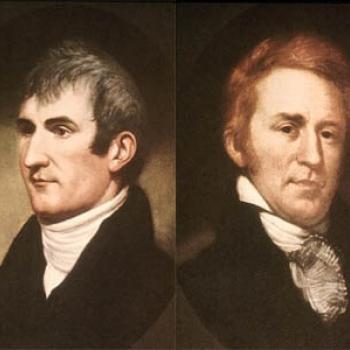
Exploring Cross-Age Tutoring Activities With Lewis and Clark
Interaction and adventure draws high school and elementary school students together as they analyze stories about the Lewis and Clark expedition.

Analyzing the Purpose and Meaning of Political Cartoons
It is important for students to know how to evaluate messages conveyed by the news media. Exploration of the artistic techniques used in political cartoons leads to critical questioning.

Diagram It! Identifying, Comparing, and Writing About Nonfiction Texts
Students compare the traits fact and fiction by using a Venn diagram to compare fiction and nonfiction books about Native Americans.

Using Historical Fiction to Learn About the Civil War
Students in grades 4 and 5 discuss inferential comprehension and visualization as they use a think-aloud questioning strategy to develop a deeper understanding of a historical novel.

Vote for Me! Developing, Writing, and Evaluating Persuasive Speeches
This lesson encourages students in grades 4 and 5 to think critically and write persuasively by focusing on preparing, presenting, and evaluating mock campaign speeches.

Using Personal Connections to Build an Understanding of Emotions
What makes you happy? What makes you sad? Connecting words to feelings enriches vocabulary and helps with concept development.