ReadWriteThink - Powered by NCTE
  • About
  • Classroom Resources
    • Lesson Plans
    • Teaching Comics
    • Teaching With Primary Resources
    • Calendar
    • Printouts
    • Student Interactives
  • Collections
    • Assessment
    • Authors
    • Booklists
    • Media Literacy
    • Poetry
    • Primary Sources
    • Writing
  • Professional Development
    • Strategy Guides
    • Professional Library
    • Meetings & Events
  • Join NCTE
  • Contact Us
  • About
  • Classroom Resources
    • Lesson Plans
    • Teaching Comics
    • Teaching With Primary Resources
    • Calendar
    • Printouts
    • Student Interactives
  • Collections
    • Assessment
    • Authors
    • Booklists
    • Media Literacy
    • Poetry
    • Primary Sources
    • Writing
  • Professional Development
    • Strategy Guides
    • Professional Library
    • Meetings & Events
  • Join NCTE
  • Contact Us
  • Facebook
  • Twitter
  • Instagram
  • Pinterest
  • YouTube

Breadcrumb

  1. Home

Type

  • (-) Lesson Plan
    • Minilesson
    • Recurring Lesson
    • Standard Lesson
    • Unit

Grades

  • 1 (136)
  • 2 (143)
  • 3 (215)
  • 4 (225)
  • 5 (238)
  • 6 (259)
  • 7 (250)
  • 8 (254)
  • 9 (270)
  • 10 (264)
  • 11 (259)
  • 12 (257)
  • K (127)

Learning Objectives

  • collaboration (353)
  • Comprehension (338)
  • critical thinking (328)
  • digital literacy (111)
  • Grammar (45)
  • inquiry / research (208)
  • listening (107)
  • literary analysis (276)
  • Media literacy (124)
  • metacognition (118)
  • multicultural awareness (58)
  • multimodal literacy (165)
  • oral communication (148)
  • phonological awareness (47)
  • print awareness (54)
  • reading fluency (48)
  • reading genres (168)
  • Spelling (41)
  • text structure / story structure (146)
  • Vocabulary (140)
  • writing genres (247)
  • writing process (334)

Topics

  • arts
  • careers
  • community
  • drama
  • ELL
  • Family
  • fiction
  • Mathematics
  • Mobile Learning
  • nonfiction
  • poetry
  • science
  • seasons / holidays
  • social action
  • social studies / history
  • Sports
  • STEM
Using Writing and Role-Play to Engage the Reluctant Writer
Grades
3 - 5
|
Lesson Plan
|
Standard Lesson
Using Writing and Role-Play to Engage the Reluctant Writer
What does the world look like through a javelina's eyes? Students become javelinas in this lesson when they analyze a character and write from his or her perspective.
Hey Diddle, Diddle! Generating Rhymes for Analogy-Based Phonics Instruction
Grades
1
|
Lesson Plan
|
Standard Lesson
Hey Diddle, Diddle! Generating Rhymes for Analogy-Based Phonics Instruction
Students practice matching rhyming words, apply phonological awareness to analogy-based phonics, and use the interactive Construct-a-Word to create rhyming words by adding a beginning consonant to a word ending.
Exploring Cross-Age Tutoring Activities With Lewis and Clark
Grades
9 - 12
|
Lesson Plan
|
Standard Lesson
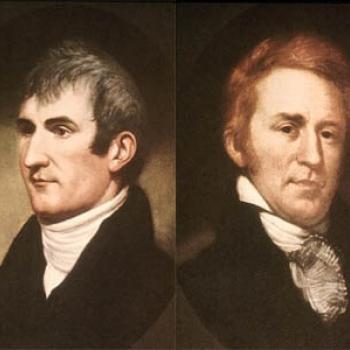
Exploring Cross-Age Tutoring Activities With Lewis and Clark
Interaction and adventure draws high school and elementary school students together as they analyze stories about the Lewis and Clark expedition.
Magazine Redux: An Exercise in Critical Literacy
Grades
9 - 12
|
Lesson Plan
|
Standard Lesson
Magazine Redux: An Exercise in Critical Literacy
Paper and pixels get compared in this lesson in which students compare both printed and online versions of a magazine.

Critical Reading: Two Stories, Two Authors, Same Plot?
Grades
9 - 12
|
Lesson Plan
|
Standard Lesson
Critical Reading: Two Stories, Two Authors, Same Plot?
Students make predictions about the stories and analyze story elements, compare and contrast the different stories, distinguish between fact and opinion, and draw conclusions supported by evidence from their readings.
Everyone Loves a Mystery: A Genre Study
Grades
6 - 8
|
Lesson Plan
|
Unit
Everyone Loves a Mystery: A Genre Study

Students track the elements of mystery stories through Directed Learning-Thinking Activities, story maps, and puzzles. Then they offer clues for other readers as they plan and write original mystery stories.

Word Sorts for Beginning and Struggling Readers
Grades
K - 2
|
Lesson Plan
|
Standard Lesson
Word Sorts for Beginning and Struggling Readers
Students are introduced to short-vowel word families and learn to sort words alone and with a partner using the Word Family Sort activity.
Analyzing the Purpose and Meaning of Political Cartoons
Grades
9 - 12
|
Lesson Plan
|
Standard Lesson
Analyzing the Purpose and Meaning of Political Cartoons
It is important for students to know how to evaluate messages conveyed by the news media. Exploration of the artistic techniques used in political cartoons leads to critical questioning.

Mind Pictures: Strategies That Enhance Mental Imagery While Reading
Grades
6 - 8
|
Lesson Plan
|
Standard Lesson
Mind Pictures: Strategies That Enhance Mental Imagery While Reading
Students create mental images while reading using a three-pronged approach: developing schemata and visual awareness; Watch-Read-Watch-Read (W-R-W-R), using video clips; and a strategy similar to the think-aloud approach.
Teaching Point of View With <em>Two Bad Ants</em>
Grades
3 - 5
|
Lesson Plan
|
Standard Lesson
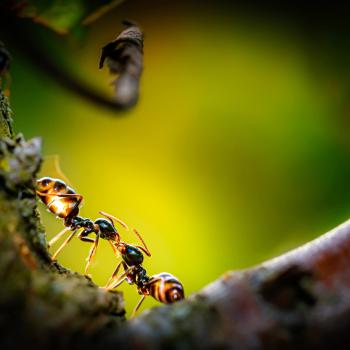
Teaching Point of View With Two Bad Ants
Students will be crawling all over this assignment when they use illustrations and text to learn about life from a bug's point of view.
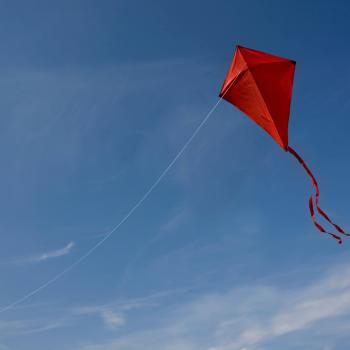
Identifying and Classifying Verbs in Context
Grades
3 - 5
|
Lesson Plan
|
Minilesson
Identifying and Classifying Verbs in Context
The interactive read-aloud in this lesson helps students to identify and classify the three verb types—action, state-of-being or linking, and helping verbs.

Peer Edit With Perfection: Effective Strategies
Grades
3 - 5
|
Lesson Plan
|
Standard Lesson
Peer Edit With Perfection: Effective Strategies
Students take a fresh look at the revision process and help one another polish their written work through a peer-editing strategy that is simple, systematic, and constructive.
Identifying and Understanding the Fallacies Used in Advertising
Grades
9 - 12
|
Lesson Plan
|
Standard Lesson
Identifying and Understanding the Fallacies Used in Advertising
Students examine the fallacies that surround them every day, deconstruct fallacious images and messages in advertisements, and demonstrate their understanding of the fallacies through multimedia presentations.

Diagram It! Identifying, Comparing, and Writing About Nonfiction Texts
Grades
K - 2
|
Lesson Plan
|
Unit
Diagram It! Identifying, Comparing, and Writing About Nonfiction Texts
Students compare the traits fact and fiction by using a Venn diagram to compare fiction and nonfiction books about Native Americans.
Using Historical Fiction to Learn About the Civil War
Grades
3 - 5
|
Lesson Plan
|
Standard Lesson
Using Historical Fiction to Learn About the Civil War
Students in grades 4 and 5 discuss inferential comprehension and visualization as they use a think-aloud questioning strategy to develop a deeper understanding of a historical novel.
Grades
K - 2
|
Lesson Plan
|
Standard Lesson
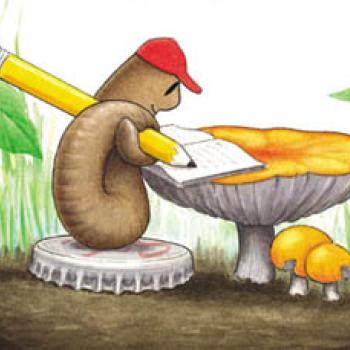
Fact or Fiction: Learning About Worms Using Diary of a Worm
Students often believe that fiction writers make everything up, seldom realizing how research worms its way into entertaining writing. In this lesson, students read Diary of a Worm to find out how fact merges with fiction.
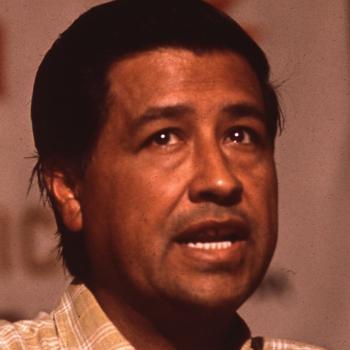
Writing Free Verse in the "Voice" of Cesar Chavez
Grades
6 - 8
|
Lesson Plan
|
Standard Lesson
Writing Free Verse in the "Voice" of Cesar Chavez
Poetry and politics combine in this lesson where students write a free verse poem in the voice of Cesar Chavez.

Going on a Shape Hunt: Integrating Math and Literacy
Grades
K - 2
|
Lesson Plan
|
Standard Lesson
Going on a Shape Hunt: Integrating Math and Literacy
Students participate in a scavenger hunt for shapes; reading, writing, and discussion of shapes encourage literacy and math skills.
Word Maps: Developing Critical and Analytical Thinking About Literary Characters
Grades
9 - 12
|
Lesson Plan
|
Standard Lesson
Word Maps: Developing Critical and Analytical Thinking About Literary Characters
Students read "After Twenty Years" by O. Henry, use a word map to identify characters' qualities or traits, discuss the characters' feelings and actions, and reflect upon these in journals.

Telling a Story About Me: Young Children Write Autobiographies
Grades
K - 2
|
Lesson Plan
|
Unit
Telling a Story About Me: Young Children Write Autobiographies
Students tell their life stories in this lesson about autobiographies based on family photographs.

Pagination

  • First page « First
  • Previous page ‹‹
  • …
  • Page 25
  • Page 26
  • Page 27
  • Page 28
  • Page 29
  • Page 30
  • Page 31
  • Page 32
  • Page 33
  • …
  • Next page ››
  • Last page Last »

Explore Resources by Grade

  • KindergartenK
  • 1-2
  • 3-4
  • 5-6
  • 7-8
  • 9-10
  • 11-12

RWT-logo

Powered By NCTE

Footer 1 Menu

  • About
  • Classroom Resources
  • Professional Development
  • Collections
  • Contact Us

Footer 2 Menu

  • National Council of Teachers of English
  • Contribute to RWT
  • FAQs
  • Join NCTE

Footer 3 Menu

  • Legal Notices
  • Privacy Policy
  • Promotional Materials
  • Site Demonstrations

Want to stay in touch with RWT and NCTE? Sign up here!

  • Facebook
  • Twitter
  • Instagram
  • Pinterest
  • YouTube

© NCTE 2026. All rights reserved