ReadWriteThink - Powered by NCTE
  • About
  • Classroom Resources
    • Lesson Plans
    • Teaching Comics
    • Teaching With Primary Resources
    • Calendar
    • Printouts
    • Student Interactives
  • Collections
    • Assessment
    • Authors
    • Booklists
    • Media Literacy
    • Poetry
    • Primary Sources
    • Writing
  • Professional Development
    • Strategy Guides
    • Professional Library
    • Meetings & Events
  • Join NCTE
  • Contact Us
  • About
  • Classroom Resources
    • Lesson Plans
    • Teaching Comics
    • Teaching With Primary Resources
    • Calendar
    • Printouts
    • Student Interactives
  • Collections
    • Assessment
    • Authors
    • Booklists
    • Media Literacy
    • Poetry
    • Primary Sources
    • Writing
  • Professional Development
    • Strategy Guides
    • Professional Library
    • Meetings & Events
  • Join NCTE
  • Contact Us
  • Facebook
  • Twitter
  • Instagram
  • Pinterest
  • YouTube

Breadcrumb

  1. Home

Type

  • Classroom Resources
  • Professional Development

Grades

  • 1 (38)
  • 2 (37)
  • 3 (69)
  • 4 (73)
  • 5 (91)
  • 6 (132)
  • 7 (137)
  • 9 (146)
  • 11 (134)
  • 12 (133)
  • K (32)
  • (-) 8 (139)
  • (-) 10 (142)

Learning Objectives

  • (-) multimodal literacy (206)
  • collaboration (286)
  • Comprehension (320)
  • critical thinking (503)
  • digital literacy (121)
  • Grammar (36)
  • inquiry / research (244)
  • listening (106)
  • literary analysis (280)
  • Media literacy (179)
  • metacognition (250)
  • multicultural awareness (85)
  • oral communication (151)
  • phonological awareness (4)
  • print awareness (47)
  • reading fluency (20)
  • Spelling (15)
  • text structure / story structure (149)
  • Vocabulary (101)
  • writing genres (275)
  • writing process (261)

Topics

  • arts
  • careers
  • community
  • drama
  • ELL
  • Family
  • fiction
  • Mathematics
  • Mobile Learning
  • nonfiction
  • poetry
  • science
  • seasons / holidays
  • social action
  • social studies / history
  • Sports
  • STEM
Fantastic Characters: Analyzing and Creating Superheroes and Villains
Grades
6 - 8
|
Lesson Plan
|
Standard Lesson
Fantastic Characters: Analyzing and Creating Superheroes and Villains
Students analyze characterization by creating their own superheroes or super-villains, complete with related gadgets and settings.

The Great Service-Learning Debate & Research Project
Grades
9 - 12
|
Lesson Plan
|
Standard Lesson
The Great Service-Learning Debate & Research Project
Students debate about incorporating service-learning into their school's curriculum.
Cut up, Cover up, and Come Away with Ideas for Writing!
Grades
6 - 8
|
Lesson Plan
|
Standard Lesson
Cut up, Cover up, and Come Away with Ideas for Writing!
Students rework their forgotten/abandoned drafts by cutting and covering up selected words. By creatively manipulating text, they explore portal writing, a strategy for envisioning a new story or story direction.

<em>The Mysteries of Harris Burdick</em>: Using Illustrations to Guide Writing
Grades
5 - 9
|
Lesson Plan
|
Standard Lesson
The Mysteries of Harris Burdick: Using Illustrations to Guide Writing
Students use illustrations from The Mysteries of Harris Burdick as a guide to write mysteries and then present their stories to the class for students to discuss to which illustration each story corresponds.
I Have a Dream: Exploring Nonviolence in Young Adult Texts
Grades
9 - 12
|
Lesson Plan
|
Standard Lesson
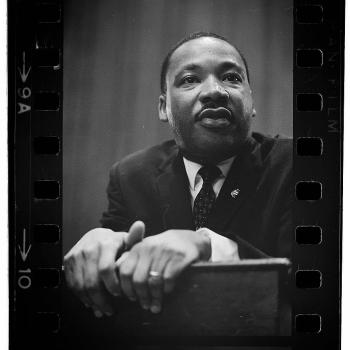
I Have a Dream: Exploring Nonviolence in Young Adult Texts

Students will identify how Martin Luther King Jr.'s dream of nonviolent conflict-resolution is reinterpreted in modern texts. Homework is differentiated to prompt discussion on how nonviolence is portrayed through characterization and conflict. Students will be formally assessed on a thesis essay that addresses the Six Kingian Principles of Nonviolence.

Texting a Response to <em>Lord of the Flies</em>
Grades
6 - 8
|
Lesson Plan
|
Standard Lesson
Texting a Response to Lord of the Flies
Students use Lord of the Flies to explore communication styles and techniques by writing text messages from one of the novel's characters to an imagined audience off the island.
Creating Better Presentation Slides through Glance Media and Billboard Design
Grades
9 - 12
|
Lesson Plan
|
Standard Lesson
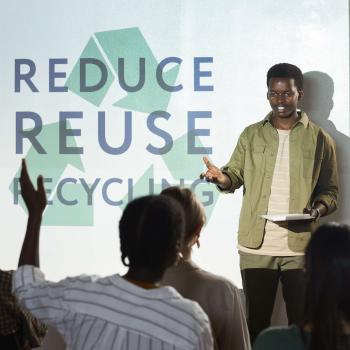
Creating Better Presentation Slides through Glance Media and Billboard Design
This lesson introduces the concept of "glance media" through an analysis of billboards. Students apply design concepts by creating a slide presentation to accompany an existing historical speech.
A "Brief, Urgent Message": Theme in <em>Slaughterhouse-Five</em>
Grades
9 - 12
|
Lesson Plan
|
Standard Lesson
A "Brief, Urgent Message": Theme in Slaughterhouse-Five
As a culminating activity for Slaughterhouse-Five, students make a compilation album (a CD with 6-8 tracks) that reflects their analysis, understanding, and reaction to the ideas in the novel Slaughterhouse-Five.

Speaking Poetry: Exploring Sonic Patterns Through Performance
Grades
9 - 12
|
Lesson Plan
|
Standard Lesson
Speaking Poetry: Exploring Sonic Patterns Through Performance

Using their voices as interpretive instruments, students gain a deeper appreciation of the art of poetry as they prepare a recitation of the frequently anthologized poem "Those Winter Sundays."

Building Vocabulary: Making Multigenre Glossaries Based on Student Inquiry
Grades
6 - 8
|
Lesson Plan
|
Standard Lesson
Building Vocabulary: Making Multigenre Glossaries Based on Student Inquiry
Students choose unfamiliar words from their reading and create a multigenre, multimodal glossary of terms.
An Exploration of Romanticism Through Art and Poetry
Grades
9 - 12
|
Lesson Plan
|
Unit
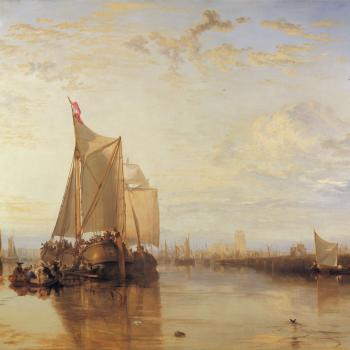
An Exploration of Romanticism Through Art and Poetry

Students use art and poetry to explore and understand major characteristics of the Romantic period.

Grades
9 - 12
|
Lesson Plan
|
Standard Lesson
Stairway to Heaven: Examining Metaphor in Popular Music
Students explore figurative language by examining the lyrics of popular songs.
Judging a Book by its Cover: The Art and Imagery of <em>The Great Gatsby</em>
Grades
9 - 12
|
Lesson Plan
|
Standard Lesson
Judging a Book by its Cover: The Art and Imagery of The Great Gatsby

Students explore The Great Gatsby's allusion to art and its use of visual imagery and conclude their study by designing their own cover for the novel.
Entering History: Nikki Giovanni and Martin Luther King, Jr.
Grades
6 - 8
|
Lesson Plan
|
Standard Lesson
Entering History: Nikki Giovanni and Martin Luther King, Jr.
Nikki Giovanni's poem "The Funeral of Martin Luther King, Jr." is paired with Dr. King's "I Have a Dream" speech, taking students on a quest through time to the Civil Rights movement.

Campaigning for Fair Use: Public Service Announcements on Copyright Awareness
Grades
6 - 8
|
Lesson Plan
|
Unit
Campaigning for Fair Use: Public Service Announcements on Copyright Awareness
Students explore a range of resources on fair use and copyright then design their own audio public service announcements (PSAs), to be broadcast over the school's public address system.

Decoding <em>The Matrix</em> Exploring Dystopian Characteristics through Film
Grades
9 - 12
|
Lesson Plan
|
Standard Lesson
Decoding The Matrix Exploring Dystopian Characteristics through Film

This lesson uses clips from The Matrix and other dystopian movies to introduce students to the characteristics found in dystopian works, such as Brave New World, Fahrenheit 451, and 1984.

Outside In: Finding A Character's Heart Through Art
Grades
9 - 12
|
Lesson Plan
|
Standard Lesson
Outside In: Finding A Character's Heart Through Art
This activity, inspired by the paintings of Edward Hopper and the stories of Raymond Carver, challenges students to get inside contemporary life and characters through the creation of monologues.
The Comic Book Show and Tell
Grades
9 - 12
|
Lesson Plan
|
Standard Lesson
The Comic Book Show and Tell
Students craft comic scripts using clear, descriptive, and detailed writing that shows (illustrates) and tells (directs). After peers create an artistic interpretation of the script, students revise their original scripts.

Defining Literacy in a Digital World
Grades
9 - 12
|
Lesson Plan
|
Standard Lesson
Defining Literacy in a Digital World
Through listing and observation, students identify the many texts that they read and compose—including books and magazines, television shows, movies, audio broadcasts, hypertexts, and animations.

Plot Structure: A Literary Elements Mini-Lesson
Grades
6 - 8
|
Lesson Plan
|
Standard Lesson
Plot Structure: A Literary Elements Mini-Lesson

Students learn that the plot structure described by Freytag's Pyramid is actually quite familiar as they diagram the plots of a familiar story, a television show, and a narrative poem.

Pagination

  • Page 1
  • Page 2
  • Page 3
  • Page 4
  • Page 5
  • Page 6
  • Page 7
  • Page 8
  • Page 9
  • …
  • Next page ››
  • Last page Last »

Explore Resources by Grade

  • KindergartenK
  • 1-2
  • 3-4
  • 5-6
  • 7-8
  • 9-10
  • 11-12

RWT-logo

Powered By NCTE

Footer 1 Menu

  • About
  • Classroom Resources
  • Professional Development
  • Collections
  • Contact Us

Footer 2 Menu

  • National Council of Teachers of English
  • Contribute to RWT
  • FAQs
  • Join NCTE

Footer 3 Menu

  • Legal Notices
  • Privacy Policy
  • Promotional Materials
  • Site Demonstrations

Want to stay in touch with RWT and NCTE? Sign up here!

  • Facebook
  • Twitter
  • Instagram
  • Pinterest
  • YouTube

© NCTE 2026. All rights reserved