ReadWriteThink - Powered by NCTE
  • About
  • Classroom Resources
    • Lesson Plans
    • Teaching Comics
    • Teaching With Primary Resources
    • Calendar
    • Printouts
    • Student Interactives
  • Collections
    • Assessment
    • Authors
    • Booklists
    • Media Literacy
    • Poetry
    • Primary Sources
    • Writing
  • Professional Development
    • Strategy Guides
    • Professional Library
    • Meetings & Events
  • Join NCTE
  • Contact Us
  • About
  • Classroom Resources
    • Lesson Plans
    • Teaching Comics
    • Teaching With Primary Resources
    • Calendar
    • Printouts
    • Student Interactives
  • Collections
    • Assessment
    • Authors
    • Booklists
    • Media Literacy
    • Poetry
    • Primary Sources
    • Writing
  • Professional Development
    • Strategy Guides
    • Professional Library
    • Meetings & Events
  • Join NCTE
  • Contact Us
  • Facebook
  • Twitter
  • Instagram
  • Pinterest
  • YouTube

Breadcrumb

  1. Home

Type

  • Classroom Resources
  • Professional Development

Grades

  • 1 (44)
  • 2 (48)
  • 3 (100)
  • 4 (101)
  • 5 (119)
  • 6 (155)
  • 7 (160)
  • 9 (164)
  • 10 (162)
  • 11 (157)
  • 12 (156)
  • K (39)
  • (-) 8 (171)

Learning Objectives

  • collaboration (47)
  • Comprehension (68)
  • critical thinking (97)
  • digital literacy (26)
  • Grammar (2)
  • inquiry / research (67)
  • listening (19)
  • literary analysis (33)
  • Media literacy (32)
  • metacognition (60)
  • multicultural awareness (27)
  • multimodal literacy (38)
  • oral communication (32)
  • print awareness (17)
  • reading fluency (6)
  • reading genres (50)
  • Spelling (3)
  • text structure / story structure (27)
  • Vocabulary (22)
  • writing genres (49)
  • writing process (39)

Topics

  • (-) nonfiction
  • arts
  • careers
  • community
  • drama
  • ELL
  • Family
  • fiction
  • Mathematics
  • Mobile Learning
  • poetry
  • science
  • seasons / holidays
  • social action
  • social studies / history
  • Sports
  • STEM
Give Them a Hand: Promoting Positive Interaction in Literature Circles
Grades
6 - 8
|
Lesson Plan
|
Standard Lesson
Give Them a Hand: Promoting Positive Interaction in Literature Circles
Students circle their desks as they analyze their own participation within a small group discussion.
Guided Comprehension in Action: Teaching Summarizing With the Bio-Cube
Grades
6 - 8
|
Lesson Plan
|
Recurring Lesson
Guided Comprehension in Action: Teaching Summarizing With the Bio-Cube

Students learn the ins and outs of writing biographies by researching a contemporary or historical figure and writing a summary.

Fighting Injustice by Studying Lessons of the Past
Grades
6 - 8
|
Lesson Plan
|
Unit
Fighting Injustice by Studying Lessons of the Past
Social injustice occurs every day all over the world. In this lesson, students research a few historical examples of social injustice, including the Holocaust, the Trail of Tears, and Japanese internment.
Using THIEVES to Preview Nonfiction Texts
Grades
6 - 8
|
Lesson Plan
|
Standard Lesson
Using THIEVES to Preview Nonfiction Texts
Students become "thieves" in this lesson as they use a previewing strategy to "steal" information from textbooks and other nonfiction texts before actually reading them.

Grades
6 - 8
|
Lesson Plan
|
Unit
The Big, Bad Wolf...Is This a Fact?
Reading is revamped in this lesson in which students use a multimedia approach to study the books by Seymour Simon.
In the Poet's Shoes: Performing Poetry and Building Meaning
Grades
6 - 8
|
Lesson Plan
|
Unit
In the Poet's Shoes: Performing Poetry and Building Meaning
Students take poetic license when they interpret William Carlos William's poem "The Red Wheelbarrow" to help create a poem of their own.

Digital Reflections: Expressing Understanding of Content Through Photography
Grades
6 - 8
|
Lesson Plan
|
Unit
Digital Reflections: Expressing Understanding of Content Through Photography
Striking images can leave lasting impressions on viewers. In this lesson, students make text–self–world connections to a nature- or science-related topic as they collaboratively design a multimedia presentation.
Exploring Author's Voice Using Jane Addams Award-Winning Books
Grades
6 - 8
|
Lesson Plan
|
Unit
Exploring Author's Voice Using Jane Addams Award-Winning Books
History has many faces in this lesson in which students read Jane Addams Award-winning books to learn about peace, social justice, world community, and equality.
Using a Word Journal to Create a Personal Dictionary
Grades
6 - 8
|
Lesson Plan
|
Recurring Lesson
Using a Word Journal to Create a Personal Dictionary
Students will be the definition of vocabulary experts as they use the skills they learn in this lesson to track, define, and ultimately master unfamiliar words.
Flip Book
Grades
3 - 12
|
Student Interactive
|
Writing & Publishing Prose
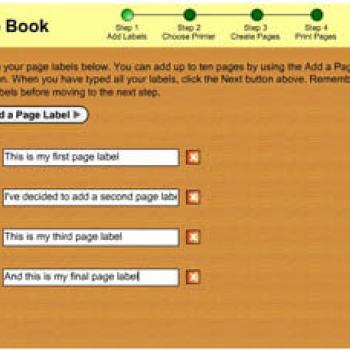
Flip Book
The Flip Book is designed to allow users to type and illustrate tabbed flip books up to ten pages long. Students and teachers can use the flip book for taking notes while reading, making picture books, collecting facts, or creating question and answer booklets.
Author Matt de la Peña was born today.
Grades
8 - 12
|
Calendar Activity
|
Author & Text
Author Matt de la Peña was born today.
Students use an essay by de la Peña as a model for writing their own literacy autobiography.
WorldReadAloudDay
Grades
4 - 12
|
Calendar Activity
|
Literacy-Related Event
Today is World Read Aloud Day.

Students celebrate the power of words by reading aloud to their classmates and spreading the word of global literacy to their friends and family.

Elie Wiesel was born on September 30, 1928.
Grades
7 - 12
|
Calendar Activity
|
Author & Text
Elie Wiesel was born on September 30, 1928.
Students compare and contrast two views of the Holocaust from different authors. Students may also research stories of other survivors who may or may not be published and create a presentation on this survivor.
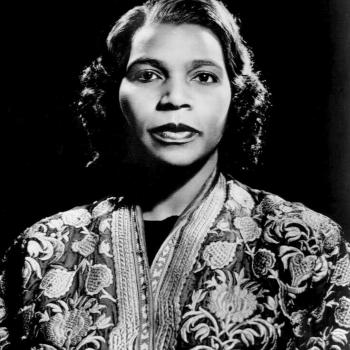
In 1939, Marian Anderson was denied permission to sing at Constitution Hall.
Grades
7 - 12
|
Calendar Activity
|
Historical Figure & Event
In 1939, Marian Anderson was denied permission to sing at Constitution Hall.
Students view Eleanor Roosevelt's resignation letter to the DAR in response to Andersen being denied permission to sing. Students write a letter to a newspaper editor about social injustice.
The Barbie doll was unveiled in 1959.
Grades
7 - 12
|
Calendar Activity
|
Historical Figure & Event
The Barbie doll was unveiled in 1959.
Students explore body image and advertising through an activity where they bring in pictures from magazines that they read and discuss gender representations in the media.
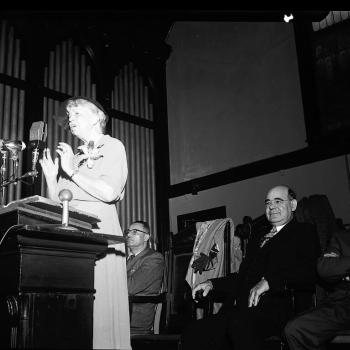
March is National Women's History Month.
Grades
3 - 12
|
Calendar Activity
|
Holiday & School Celebration
March is National Women's History Month.
A scrapbook highlighting the accomplishments of famous American women is created as a class using the Alphabet Organizer and Bio-Cube.
Actor Sidney Poitier was born in 1924.
Grades
3 - 12
|
Calendar Activity
|
Historical Figure & Event
Actor Sidney Poitier was born in 1924.
Students do a journal entry about barriers that have been broken,such as age, race, and gender, that might impede them in the future, and how they can break through those barriers.

Diarist Samuel Pepys was born.
Grades
3 - 12
|
Calendar Activity
|
Historical Figure & Event
Diarist Samuel Pepys was born.
Students write diary entries and revisit the entries as if it were a hundred years from now. Students then brainstorm and write paragraphs about life in the 21st century.
<em>The New York Times</em> used the slogan "All the News That's Fit to Print."
Grades
7 - 12
|
Calendar Activity
|
Historical Figure & Event
The New York Times used the slogan "All the News That's Fit to Print."
After discussing newspapers and their different points of view, students choose a current event, read editorials on the event, and share them with the class to identify the editor's point of view.
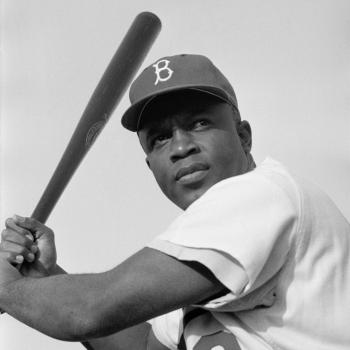
Jackie Robinson was born on this day in 1919.
Grades
7 - 12
|
Calendar Activity
|
Historical Figure & Event
Jackie Robinson was born on this day in 1919.
Students read messages sent to the White House from Jackie Robinson and discuss his role as an athlete and a civil rights activist, as well as the role of athletes in society.

Pagination

  • First page « First
  • Previous page ‹‹
  • Page 1
  • Page 2
  • Page 3
  • Page 4
  • Page 5
  • Page 6
  • Page 7
  • Page 8
  • Page 9
  • Next page ››
  • Last page Last »

Explore Resources by Grade

  • KindergartenK
  • 1-2
  • 3-4
  • 5-6
  • 7-8
  • 9-10
  • 11-12

RWT-logo

Powered By NCTE

Footer 1 Menu

  • About
  • Classroom Resources
  • Professional Development
  • Collections
  • Contact Us

Footer 2 Menu

  • National Council of Teachers of English
  • Contribute to RWT
  • FAQs
  • Join NCTE

Footer 3 Menu

  • Legal Notices
  • Privacy Policy
  • Promotional Materials
  • Site Demonstrations

Want to stay in touch with RWT and NCTE? Sign up here!

  • Facebook
  • Twitter
  • Instagram
  • Pinterest
  • YouTube

© NCTE 2026. All rights reserved