Students research the effects of the Vietnam war on a specific group of people who were involved. They then create Internet scavenger hunts to share with the class.

Building Vietnam War Scavenger Hunts through Web-Based Inquiry
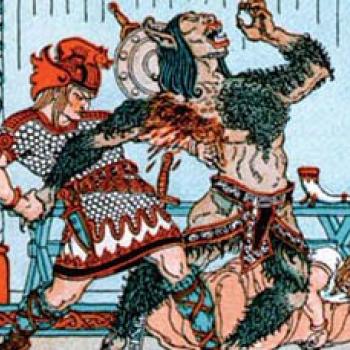
Reading Literature in Translation: Beowulf as a Case Study
Using several translations of the same passage of Beowulf, this lesson introduces students to the idea that translation is not an objective practice, but that it involves "imaginative reconstruction."
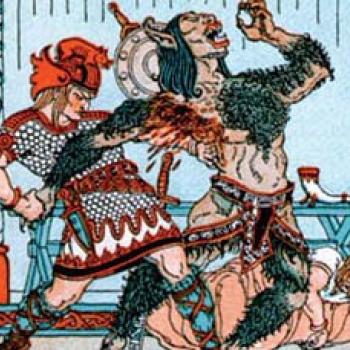
An Introduction to Beowulf: Language and Poetics
Students are introduced to Old English and the poetic devices of alliteration, kenning, and compounding in preparation for reading the epic poem Beowulf.

Exploring Satire with The Simpsons
This lesson uses an example from popular culture, The Simpsons, as a means to explore the literary technique of satire and to analyze a satirical work.

Reader Response in Hypertext: Making Personal Connections to Literature
Students write a narrative of place, a character sketch, an extended metaphor poem and a persuasive essay then link all four texts to quotations they have selected from a novel.

The Year I Was Born: An Autobiographical Research Project
Students explore the year they were born through interviews and research, and then weave the details into a newspaper or booklet, written from another person's point of view.

Freedom of Speech and Automatic Language: Examining the Pledge of Allegiance
This lesson has students explore freedom of speech by examining the Pledge of Allegiance from a historical and personal perspective and in relationship to fictional situations in novels.

Propaganda Techniques in Literature and Online Political Ads
Students analyze propaganda techniques used in pieces of literature and political advertisements. They then look for propaganda in other media, such as print ads and commercials.

Exploring Literature through Letter-Writing Groups
Students discuss literature through a series of letter exchanges, as a one-time assignment or throughout the year with the students discussing, and making connections among, a number of literary works.

Happily Ever After? Exploring Character, Conflict, and Plot in Dramatic Tragedy
By exploring the decisions points in a tragedy, students consider how the plot of the story can change if the key characters make a different choice at the turning point.

Paying Attention to Technology: Writing Technology Autobiographies
This lesson plan asks students to pay attention to the technologies they use. They graphically map their interactions with technology and compose narratives of their most significant interactions with technology.

Paying Attention to Technology: Exploring a Fictional Technology
Students complete a short survey to establish their beliefs about technology. They compare their opinions to the ideas in a novel that depicts technology (such as 1984 or Fahrenheit 451).

Authentic Persuasive Writing to Promote Summer Reading
Turn summer reading lists from a teacher-centered requirement to a student-driven exploration by asking students to create brochures and flyers that suggest books to explore during the summer months.
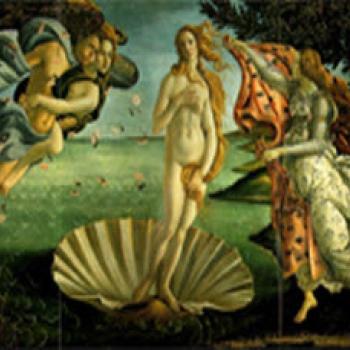
Renaissance Humanism in Hamlet and The Birth of Venus
After reading Shakespeare's Hamlet, students identify, analyze, and explain how elements in Botticelli's painting Birth of Venus and examples from the play illustrate the philosophy of Renaissance Humanism.
Making Connections to Myth and Folktale: The Many Ways to Rainy Mountain
Following the model of N. Scott Momaday's The Way To Rainy Mountain, students write three-voice narratives based on Kiowa folktales, an interview with an Elder, and personal connections to theme.
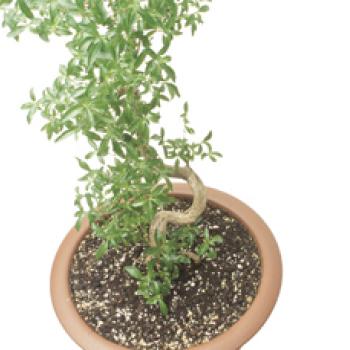
Unlocking the Underlying Symbolism and Themes of a Dramatic Work
This lesson plan invites students to consider characters from Lorraine Hansberry's A Raisin in the Sun. Students explore a selected character and write poems about objects associated with that character.

Spend a Day in My Shoes: Exploring the Role of Perspective in Narrative
In this lesson, students imagine spending a day in someone else's shoes. After reviewing the characteristics of narrative writing, they then write narratives from that person's point of view.
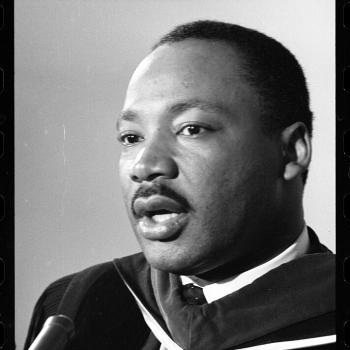
Exploring the Power of Martin Luther King, Jr.'s Words through Diamante Poetry
Students explore the ways that powerful and passionate words communicate the concepts of freedom, justice, discrimination, and the American Dream in Martin Luther King, Jr.'s "I Have a Dream" speech.
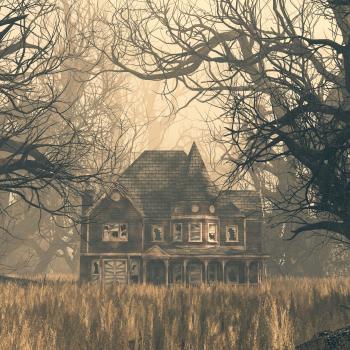
Ghosts and Fear in Language Arts: Exploring the Ways Writers Scare Readers
Students analyze scary stories to 'break the code" of horror writing and use what they learn to write scary stories of their own.

Teaching the Epic through Ghost Stories
In this lesson, students connect to the oral tradition of epic storytellers by sharing their own oral tales of ghosts and goblins and monsters.