ReadWriteThink - Powered by NCTE
  • About
  • Classroom Resources
    • Lesson Plans
    • Teaching Comics
    • Teaching With Primary Resources
    • Calendar
    • Printouts
    • Student Interactives
  • Collections
    • Assessment
    • Authors
    • Booklists
    • Media Literacy
    • Poetry
    • Primary Sources
    • Writing
  • Professional Development
    • Strategy Guides
    • Professional Library
    • Meetings & Events
  • Join NCTE
  • Contact Us
  • About
  • Classroom Resources
    • Lesson Plans
    • Teaching Comics
    • Teaching With Primary Resources
    • Calendar
    • Printouts
    • Student Interactives
  • Collections
    • Assessment
    • Authors
    • Booklists
    • Media Literacy
    • Poetry
    • Primary Sources
    • Writing
  • Professional Development
    • Strategy Guides
    • Professional Library
    • Meetings & Events
  • Join NCTE
  • Contact Us
  • Facebook
  • Twitter
  • Instagram
  • Pinterest
  • YouTube

Breadcrumb

  1. Home

Type

  • Classroom Resources
  • Professional Development

Grades

  • 1 (12)
  • 2 (13)
  • 3 (20)
  • 4 (18)
  • 5 (24)
  • 6 (29)
  • 7 (34)
  • 8 (35)
  • 9 (38)
  • 10 (36)
  • 11 (35)
  • 12 (35)
  • K (8)

Learning Objectives

  • (-) Comprehension (66)
  • collaboration (54)
  • critical thinking (70)
  • digital literacy (17)
  • Grammar (15)
  • inquiry / research (30)
  • listening (32)
  • literary analysis (67)
  • Media literacy (14)
  • metacognition (40)
  • multicultural awareness (19)
  • multimodal literacy (28)
  • oral communication (30)
  • phonological awareness (11)
  • print awareness (12)
  • reading fluency (11)
  • reading genres (37)
  • Spelling (11)
  • text structure / story structure (29)
  • Vocabulary (38)
  • writing genres (84)
  • writing process (71)

Topics

  • (-) poetry
  • arts
  • careers
  • community
  • drama
  • ELL
  • Family
  • fiction
  • Mathematics
  • Mobile Learning
  • nonfiction
  • science
  • seasons / holidays
  • social action
  • social studies / history
  • Sports
  • STEM
Grades
9 - 12
|
Lesson Plan
|
Standard Lesson
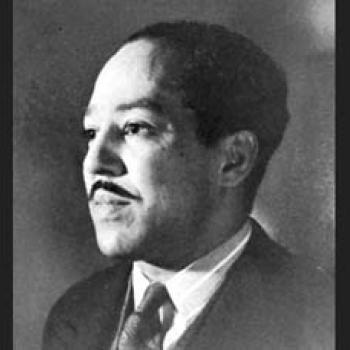
Discovering a Passion for Poetry With Langston Hughes
Through a study of Langston Hughes' poetry, students connect his writing to his place in history.
Grades
3 - 5
|
Lesson Plan
|
Standard Lesson
Wartime Poetry: Working With Similes
Students analyze a photograph, brainstorm words to describe the characters' senses and feelings, work in pairs to describe a character's experience, and create a poem using their ideas and similes.

What is Poetry? Contrasting Poetry and Prose
Grades
6 - 8
|
Lesson Plan
|
Standard Lesson
What is Poetry? Contrasting Poetry and Prose

Students often find poetry frustrating and meaningless. By helping students think critically about the differences between poetry and prose, this introduction sets the stage for different strategies for comprehending poetic texts.
Delicious, Tasty, Yummy: Enriching Writing with Adjectives and Synonyms
Grades
3 - 5
|
Lesson Plan
|
Standard Lesson
Delicious, Tasty, Yummy: Enriching Writing with Adjectives and Synonyms
Students thoroughly explore identifying synonyms and adjectives before using them to add variety and interest to their own writing.

Dancing Minds and Shouting Smiles: Teaching Personification Through Poetry
Grades
3 - 5
|
Lesson Plan
|
Standard Lesson
Dancing Minds and Shouting Smiles: Teaching Personification Through Poetry
Students learn about personification by reading and discussing poems and then brainstorm nouns and verbs to create personification in their own poems.

A Directed Listening-Thinking Activity for "The Tell-Tale Heart"
Grades
6 - 8
|
Lesson Plan
|
Standard Lesson
A Directed Listening-Thinking Activity for "The Tell-Tale Heart"
What's that sound? Students participate in a Directed Listening–Thinking Activity (DLTA) using "The Tell-Tale Heart," make predictions, and respond in the form of an acrostic poem or comic strip.
Let's Read It Again: Comprehension Strategies for English-Language Learners
Grades
K - 2
|
Lesson Plan
|
Standard Lesson
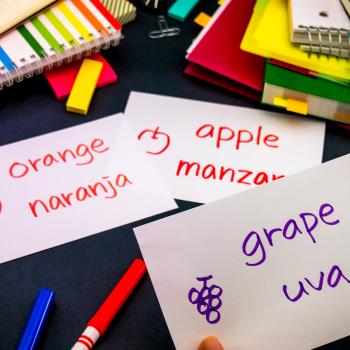
Let's Read It Again: Comprehension Strategies for English-Language Learners
Help Spanish-speaking English-language learners unlock the mysteries of their new language by using a bilingual book to recognize unfamiliar words and construct meaning from the text.

Poetry Portfolios: Using Poetry to Teach Reading
Grades
K - 2
|
Lesson Plan
|
Standard Lesson
Poetry Portfolios: Using Poetry to Teach Reading
Teach your students about sentence structure, rhyming words, sight words, vocabulary, and print concepts using a weekly poem.
Peace Poems and Picasso Doves: Literature, Art, Technology, and Poetry
Grades
3 - 5
|
Lesson Plan
|
Unit
Peace Poems and Picasso Doves: Literature, Art, Technology, and Poetry

Students apply think-aloud strategies to reading and to composition of artwork and poetry. They research symbols of peace as they prewrite, compose, and publish their poetry.
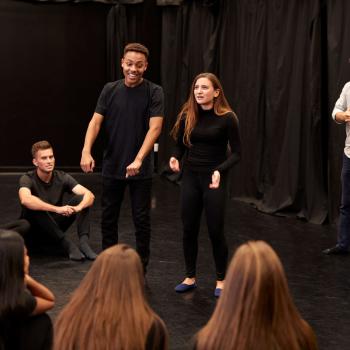
Pairing Fiction With Poetry and Performance
Grades
9 - 12
|
Lesson Plan
|
Unit
Pairing Fiction With Poetry and Performance
Make connections across genres and across cultures to engage students in the study of literary voice and themes. Comprehension skills and vocabulary also come into play, especially for English language learners, as students read a novel and related poems, then write and perform original poems related to the novel.
Grades
6 - 8
|
Lesson Plan
|
Standard Lesson
The Reading Performance: Understanding Fluency Through Oral Interpretation
Students discuss prosody, gain a new appreciation for literature intended for oral performance, and participate in activities that instill the value of technology in shaping their appreciation of literature.

Poetry: A Feast to Form Fluent Readers
Grades
3 - 5
|
Lesson Plan
|
Standard Lesson
Poetry: A Feast to Form Fluent Readers
Students improve their reading fluency by selecting a poem online to perform in class.
WorldReadAloudDay
Grades
4 - 12
|
Calendar Activity
|
Literacy-Related Event
Today is World Read Aloud Day.

Students celebrate the power of words by reading aloud to their classmates and spreading the word of global literacy to their friends and family.

Poet and author Pat Mora was born on this day in 1942.
Grades
7 - 12
|
Calendar Activity
|
Author & Text
Poet and author Pat Mora was born on this day in 1942.
Students study and write extended metaphors through the use of Pat Mora's book.
Grades
9 - 12
|
Calendar Activity
|
Author & Text
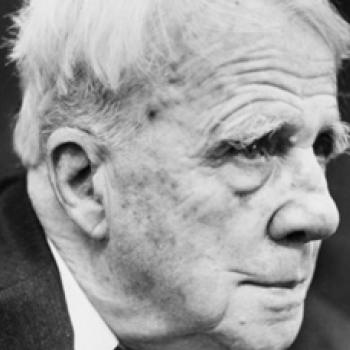
Poet Robert Frost was born in 1874.
Students celebrate Frost's birthday by exploring his innovation in the sonnet form by studying poems and presenting them to the class.
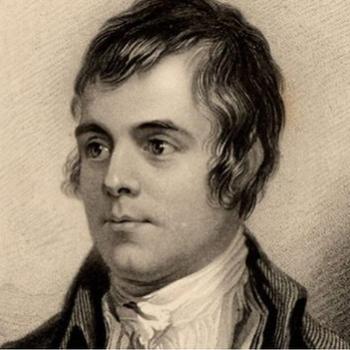
Poet Robert Burns was born in 1759.
Grades
7 - 12
|
Calendar Activity
|
Author & Text
Poet Robert Burns was born in 1759.
Students read examples of traditional Scottish ballads and use this information to write and perform their own ballads.
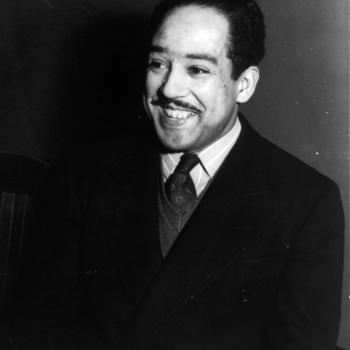
Langston Hughes was born in 1902.
Grades
7 - 12
|
Calendar Activity
|
Author & Text
Langston Hughes was born in 1902.
Students examine the poem "Dreams" and identify metaphors in each sentence. Groups of students then compose poems with metaphors for dreams.
Poe's "The Raven" was published in 1845.
Grades
7 - 12
|
Calendar Activity
|
Author & Text
Poe's "The Raven" was published in 1845.
As Poe's "The Raven" is read aloud, students note their reactions and discuss the changes or development of their first impressions as the poem continues.
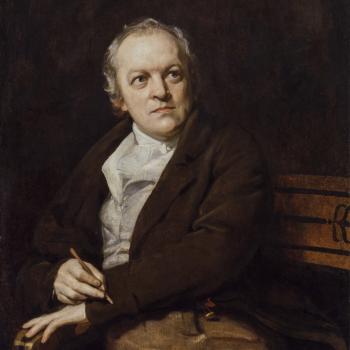
Poet William Blake was born in 1757.
Grades
5 - 12
|
Calendar Activity
|
Author & Text
Poet William Blake was born in 1757.
As a class, students brainstorm abstract concepts and personify that concept through a drawing or story told about the character who personifies that concept.
Today is World Poetry Day.
Grades
3 - 12
|
Calendar Activity
|
Holiday & School Celebration
Today is World Poetry Day.

Students read and respond to Billy Collins' poem "Introduction to Poetry." Students then write about a favorite poem and imagine the perfect way to read it.

Pagination

  • First page « First
  • Previous page ‹‹
  • Page 1
  • Page 2
  • Page 3
  • Page 4
  • Next page ››
  • Last page Last »

Explore Resources by Grade

  • KindergartenK
  • 1-2
  • 3-4
  • 5-6
  • 7-8
  • 9-10
  • 11-12

RWT-logo

Powered By NCTE

Footer 1 Menu

  • About
  • Classroom Resources
  • Professional Development
  • Collections
  • Contact Us

Footer 2 Menu

  • National Council of Teachers of English
  • Contribute to RWT
  • FAQs
  • Join NCTE

Footer 3 Menu

  • Legal Notices
  • Privacy Policy
  • Promotional Materials
  • Site Demonstrations

Want to stay in touch with RWT and NCTE? Sign up here!

  • Facebook
  • Twitter
  • Instagram
  • Pinterest
  • YouTube

© NCTE 2026. All rights reserved
