Students create alphabet books, which are used as an integrated assessment with science, health, social studies, and any other content area. This lesson plans looks at the theme of community.
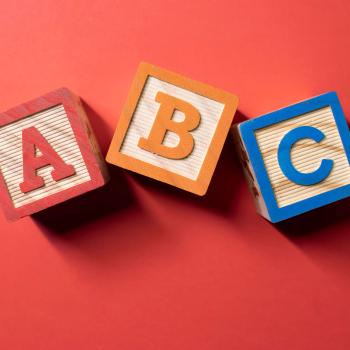
Our Community: Creating ABC Books as Assessment
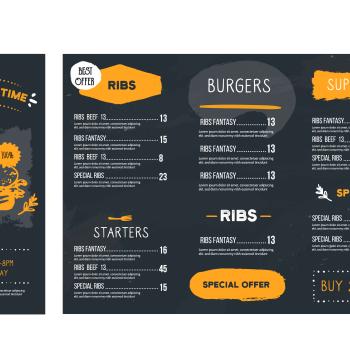
Cooking Up Descriptive Language: Designing Restaurant Menus
Students explore the menu genre by analyzing existing menus from local restaurants. They review adjectives and descriptive writing and then work in groups to create their own custom menus.

Question and Answer Books--From Genre Study to Report Writing
After exploring several question and answer books on a variety of topics, students research a topic and create their own class question and answer book.

Completing the Circle: The Craft of Circular Plot Structure
Students identify, explore and apply the elements of circle plot structures to their own stories by using graphic organizers, reading and writing stories, and using checklists to assess their work.

Exploring Satire with Shrek
The movie Shrek introduces the satirical techniques of exaggeration, incongruity, reversal, and parody. Students brainstorm fairy tale characteristics, identify satirical techniques, then create their own satirical versions of fairy tales.
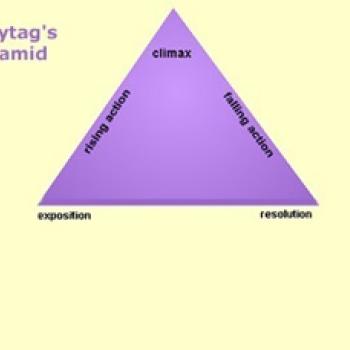
Using Picture Books to Teach Plot Development and Conflict Resolution
Students read picture books to explore the concepts of plot development and conflict resolution. They first learn about the connections between reading and writing, and then revise their own writing.

Examining Plot Conflict through a Comparison/Contrast Essay
Students explore picture books to identify the characteristics of four types of conflict. They then write about a conflict they have experienced and compare it to a conflict from literature.
Id, Ego, and Superego in Dr. Seuss's The Cat in the Hat
Dr. Seuss's The Cat in the Hat is used as a primer to teach students how to analyze a literary work using plot, theme, characterization, and psychoanalytical criticism.

Short Story Fair: Responding to Short Stories in Multiple Media and Genres
In this activity, students read short stories and create presentations in multiple media to share in a Short Story Fair. At the fair, students explore and respond to the displays.
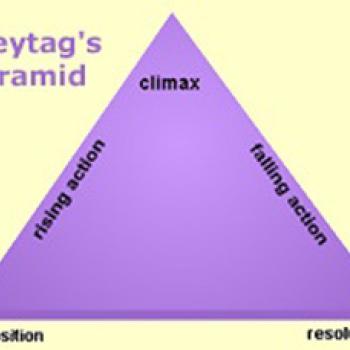
Teaching Plot Structure through Short Stories
Students use an online graphic organizer to analyze the plot structure of "Jack and the Beanstalk" and three short stories.

Happily Ever After? Exploring Character, Conflict, and Plot in Dramatic Tragedy
By exploring the decisions points in a tragedy, students consider how the plot of the story can change if the key characters make a different choice at the turning point.

A Genre Study of Letters With The Jolly Postman
Students read The Jolly Postman, in which a postman delivers letters to storybook characters. They explore different types of mail and categorize letters from the book and their own mail.
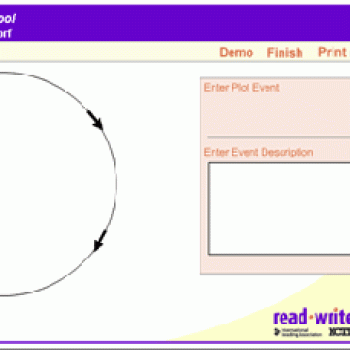
Unwinding A Circular Plot: Prediction Strategies in Reading and Writing
Students use graphic organizers to explore plot in circular stories while focusing on prediction and sequencing. After exploring the features of circular plot stories, students write their own stories.

Making Connections to Myth and Folktale: The Many Ways to Rainy Mountain
Following the model of N. Scott Momaday's The Way To Rainy Mountain, students write three-voice narratives based on Kiowa folktales, an interview with an Elder, and personal connections to theme.

Choosing the Best Verb: An Active and Passive Voice Minilesson
Students explore how active and passive voices are appropriate to different audiences. They examine online resources, and then draw conclusions about verb use, which they apply to their own writing.
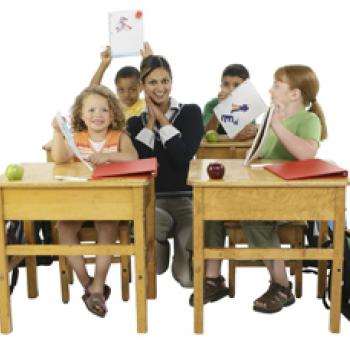
Building a Matrix for Leo Lionni Books: An Author Study
In this author study, students listen to and discuss four books by Leo Lionni. They identify similarities and differences in the stories and then compare two stories of their choice.
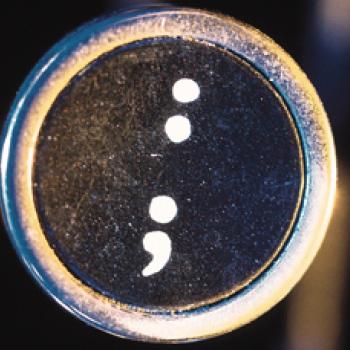
Every Punctuation Mark Matters: A Minilesson on Semicolons
Students analyze stylistic choices and grammar use in authentic writing, focusing on the use of the semicolon in Martin Luther King Jr.'s "Letter from Birmingham Jail."
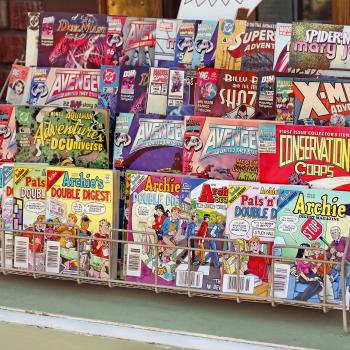
Comics in the Classroom as an Introduction to Narrative Structure
This lesson uses comic strip frames to define plot and reinforce the structure that underlies a narrative. Students finish by writing their own original narratives.
Avoiding Sexist Language by Using Gender-Fair Pronouns
Students engage in a brief writing assignment that concretely illustrates how language and gender stereotyping interact causally.
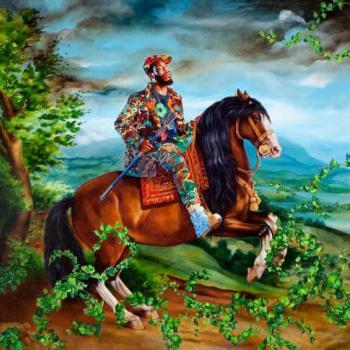
Locating Purpose in Allusion through Art and Poetry
Through this lesson, students will learn how to use the literary term "allusion" in discussing how and why authors and artists draw on and transform subject material.