Tap students' desires to doodle and draw by having them create a Graffiti Wall, using graphics to discuss a piece of literature that has been read by the whole class.

Graffiti Wall: Discussing and Responding to Literature Using Graphics

Comic Makeovers: Examining Race, Class, Ethnicity, and Gender in the Media
Students explore stereotypes in the media and representations of race, class, ethnicity, and gender by analyzing comics over a two-week period and then re-envisioning them with a "comic character makeover."

Avoiding Sexist Language by Using Gender-Fair Pronouns
Students engage in a brief writing assignment that concretely illustrates how language and gender stereotyping interact causally.

Novel News: Broadcast Coverage of Character, Conflict, Resolution, and Setting
This twist on readers theater has students prepare original news programs based on incidents in a recent reading, as they explore standard literary elements of character, conflict, resolution, and setting.

Book Report Alternative: Characters for Hire! Studying Character in Drama
In this alternative to the traditional book report, students respond to a play they have read by creating a resume for one of its characters.

Name That Chapter! Discussing Summary and Interpretation Using Chapter Titles
Students name unnamed chapters in a novel they are reading. They discuss possible chapter names, considering accuracy, word choice, and connotation, before settling on a choice.

Varying Views of America
Students work together to analyze three poems about America with varying points of view.

Doodle Splash: Using Graphics to Discuss Literature
Students keep a doodle journal while reading short stories by a common author. In small groups, students then combine their doodles into a graphic representation of the text.
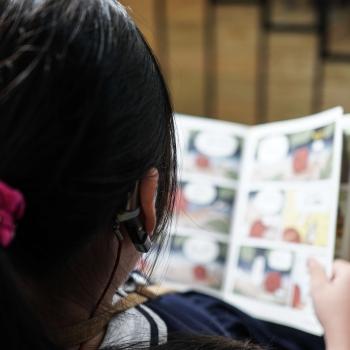
Comics in the Classroom as an Introduction to Genre Study
Multidimensional, challenging, and popular with students, comics provide an excellent way to introduce the concept of genres.

An Introduction to Julius Caesar Using Multiple-Perspective Universal Theme Analysis
This resource is an introduction to William Shakespeare's tragic play, The Tragedy of Julius Caesar, through the study of universal themes using multiple-perspective investigations of betrayal scenarios.

Picture This: Student Created Online Vocabulary Flashcards
Let the students be the vocabulary experts! Prior to whole class instruction, students create online flashcards and teach the class the new vocabulary.
Blending the Past with Today's Technology: Using Prezi to Prepare for Historical Fiction
To prepare for literature circles featuring historical novels, students research the decades of the 1930s to the 1990s and share their information using Prezi, a web application for creating multimedia presentations.

From Text to Film: Exploring Classic Literature Adaptations
Students create storyboards to compare and contrast a book and its film adaptation.

Breaking the Rules with Sentence Fragments
Though teachers usually caution students against using sentence fragments, Edgar Schuster's work demonstrates that professional writers often use fragments effectively. This lesson helps students understand that there are reasons that they can and should use sentence fragments to become effective writers.

Experiencing Haiku Through Mindfulness, Movement & Music
By being present and mindful on nature walks, students write haiku using vivid sensory language; and explore body movement, music and art as visual and kinesthetic representations of their poetry.

Name Tag Glyphs
In this lesson, students practice a way to communicate without words by using a glyph. They create a name card using information about themselves. Students also interpret glyphs made by others.
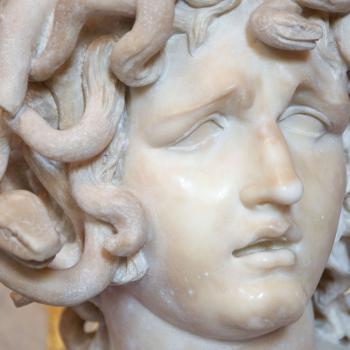
Digitally Telling the Story of Greek Figures
In this lesson students research Greek gods, heroes, and creatures and then share their findings through digital storytelling.
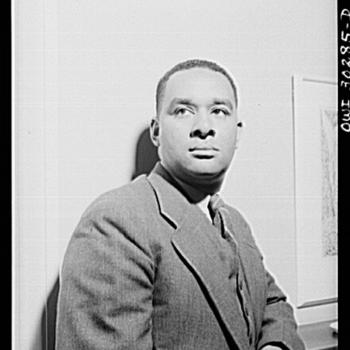
Demonstrating Understanding of Richard Wright's Rite of Passage
Students use the elements of persuasion for a specific audience to demonstrate their understanding of Richard Wright's accessible and engaging coming-of-age novel, Rite of Passage.
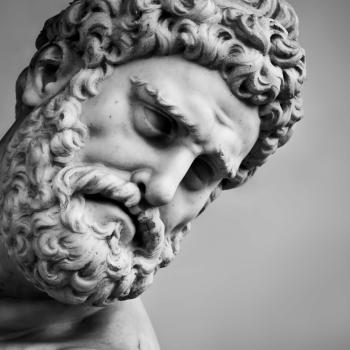
Audience & Purpose: Evaluating Disney's Changes to the Hercules Myth
What drives changes to classic myths and fables? In this lesson students evaluate the changes Disney made to the myth of "Hercules" in order to achieve their audience and purpose.
Active Reading through Self-Assessment: The Student-Made Quiz
This recurring lesson encourages students to comprehend their reading through inquiry and collaboration. They choose important quotations from the text and work in groups to formulate "quiz" questions that their peers will answer.