ReadWriteThink - Powered by NCTE
  • About
  • Classroom Resources
    • Lesson Plans
    • Teaching Comics
    • Teaching With Primary Resources
    • Calendar
    • Printouts
    • Student Interactives
  • Collections
    • Assessment
    • Authors
    • Booklists
    • Media Literacy
    • Poetry
    • Primary Sources
    • Writing
  • Professional Development
    • Strategy Guides
    • Professional Library
    • Meetings & Events
  • Join NCTE
  • Contact Us
  • About
  • Classroom Resources
    • Lesson Plans
    • Teaching Comics
    • Teaching With Primary Resources
    • Calendar
    • Printouts
    • Student Interactives
  • Collections
    • Assessment
    • Authors
    • Booklists
    • Media Literacy
    • Poetry
    • Primary Sources
    • Writing
  • Professional Development
    • Strategy Guides
    • Professional Library
    • Meetings & Events
  • Join NCTE
  • Contact Us
  • Facebook
  • Twitter
  • Instagram
  • Pinterest
  • YouTube

Breadcrumb

  1. Home

Type

  • Classroom Resources
  • Professional Development

Grades

  • 1 (145)
  • 2 (156)
  • 3 (305)
  • 4 (310)
  • 5 (362)
  • 6 (418)
  • 7 (435)
  • 8 (442)
  • 9 (475)
  • 10 (470)
  • 11 (460)
  • 12 (459)
  • K (123)

Learning Objectives

  • (-) critical thinking (649)
  • (-) writing process (421)
  • collaboration (458)
  • Comprehension (508)
  • digital literacy (154)
  • Grammar (57)
  • inquiry / research (350)
  • listening (182)
  • literary analysis (367)
  • Media literacy (205)
  • metacognition (302)
  • multicultural awareness (113)
  • multimodal literacy (260)
  • oral communication (224)
  • phonological awareness (61)
  • print awareness (89)
  • reading fluency (67)
  • reading genres (290)
  • Spelling (51)
  • text structure / story structure (242)
  • Vocabulary (191)
  • writing genres (382)

Topics

  • arts
  • careers
  • community
  • drama
  • ELL
  • Family
  • fiction
  • Mathematics
  • Mobile Learning
  • nonfiction
  • poetry
  • science
  • seasons / holidays
  • social action
  • social studies / history
  • Sports
  • STEM
Developing Characterization in Raymond Carver's "A Small, Good Thing"

Grades
9 - 12
|
Lesson Plan
|
Standard Lesson
Developing Characterization in Raymond Carver's "A Small, Good Thing"
Students read Raymond Carver's story "A Small, Good Thing," focusing on characterization in order to develop one of the static characters—the hit-and-run driver who causes Scotty's death—more fully.
Discovering Memory: Li-Young Lee's Poem "Mnemonic" and the Brain
Grades
6 - 8
|
Lesson Plan
|
Unit
Discovering Memory: Li-Young Lee's Poem "Mnemonic" and the Brain
Students learn about memory by doing a memory-writing exercise, studying the brain to understand how it affects memory, reading Li-Young Lee's poem "Mnemonic," and creating projects to demonstrate their understanding.
Grades
9 - 12
|
Lesson Plan
|
Standard Lesson
Many Years Later: Responding to Gwendolyn Brooks' "We Real Cool"
Students analyze the Gwendolyn Brooks' poem "We Real Cool" and then write about how the character's pool hall days might influence who the character becomes fifty years in the future.
Grades
K - 2
|
Lesson Plan
|
Standard Lesson
The Day Jimmy's Boa Taught Cause and Effect
This lesson introduces the concept of cause and effect with Trinka Hakes Noble's books about Jimmy and his boa constrictor.

The Children's Picture Book Project
Grades
9 - 12
|
Lesson Plan
|
Unit
The Children's Picture Book Project

In this lesson students evaluate published children's picture storybooks. Students then plan, write, illustrate, and publish their own children's picture books.

Bio-graph: Graphing Life Events
Grades
9 - 12
|
Lesson Plan
|
Standard Lesson
Bio-graph: Graphing Life Events
Students interview other students, choose significant life events, rate them, graph them, and write about one or more, in this activity that integrates mathematical graphing with writing.
Love of War in Tim O'Brien's "How to Tell a True War Story"
Grades
9 - 12
|
Lesson Plan
|
Unit
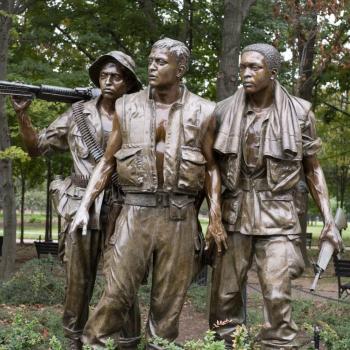
Love of War in Tim O'Brien's "How to Tell a True War Story"
Students explore the theme of love of war through texts on camaraderie among soldiers. They then compose a visual collage depicting their beliefs about the relationship between love and war.

Grades
6 - 8
|
Lesson Plan
|
Standard Lesson
More than One Way to Create Vivid Verbs
This lesson teaches students how to use old verbs in a new way, thus creating new and fresh descriptive phrases.

Assessing Cultural Relevance: Exploring Personal Connections to a Text
Grades
9 - 12
|
Lesson Plan
|
Standard Lesson
Assessing Cultural Relevance: Exploring Personal Connections to a Text
As a class, students evaluate a nonfiction or realistic fiction text for its cultural relevance to themselves personally and as a group.
Theme Poems: Using the Five Senses
Grades
1 - 3
|
Lesson Plan
|
Standard Lesson
Theme Poems: Using the Five Senses
Students write theme poems in a flash using the picture book Flicker Flash by Joan Bransfield Graham and the online, interactive Theme Poems tool.
Twenty-First Century Informational Literacy: Integrating Research Techniques and Technology
Grades
6 - 12
|
Lesson Plan
|
Unit
Twenty-First Century Informational Literacy: Integrating Research Techniques and Technology

Students develop their reading, writing, research, and technology skills using graphic novels. As a final activity, students create their own graphic novels using comic software.
Crossing Boundaries Through Bilingual, Spoken-Word Poetry
Grades
7 - 12
|
Lesson Plan
|
Unit
Crossing Boundaries Through Bilingual, Spoken-Word Poetry
Students explore the idea of "crossing boundaries" through bilingual, spoken-word poetry, culminating in a poetry slam at school or in the community.
Grades
8 - 12
|
Lesson Plan
|
Standard Lesson
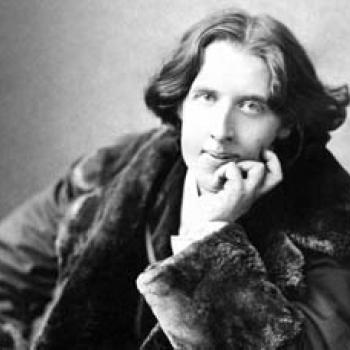
Analyzing and Podcasting About Images of Oscar Wilde
Students analyze images of Oscar Wilde used to publicize his 1882 American lecture tour. They then compare a caricature to another researched image, sharing this analysis in a podcast.
Reaching Across Time: Scaffolded Engagements With a 19th-Century Text
Grades
9 - 12
|
Lesson Plan
|
Standard Lesson
Reaching Across Time: Scaffolded Engagements With a 19th-Century Text
Students in the 21st century need to build background knowledge and fill in textual gaps to enter the unfamiliar world of "Bartleby the Scrivener: A Story of Wall Street."
Making It Visual for ELL Students: Teaching History Using <em>Maus</em>
Grades
9 - 12
|
Lesson Plan
|
Unit
Making It Visual for ELL Students: Teaching History Using Maus
Spark the engagement of English-language learners or reluctant readers with the graphic novel Maus. The visual information provided by the genre serves as a support for reading and critical engagement.
Creating a Persuasive Podcast
Grades
6 - 10
|
Lesson Plan
|
Standard Lesson
Creating a Persuasive Podcast
Students learn how to get their voice out on the web when they research issues important to them and compose a persuasive podcast to post online.
BOOKMATCH: Scaffolding Independent Book Selection
Grades
6 - 8
|
Lesson Plan
|
Standard Lesson
BOOKMATCH: Scaffolding Independent Book Selection
This lesson will be turning heads and pages as students learn how to choose appropriate books for independent reading exercises and later evaluate their choices.
Creating Character Blogs
Grades
6 - 12
|
Lesson Plan
|
Standard Lesson
Creating Character Blogs
Students view examples of blogs, learn the basic elements of blog creation, and then create a blog from the perspective of a fictional character.

Learning Clubs: Motivating Middle School Readers and Writers
Grades
6 - 8
|
Lesson Plan
|
Standard Lesson
Learning Clubs: Motivating Middle School Readers and Writers
Students participate in learning clubs, select content area topics, and draw on texts—including websites, printed material, video, and music—to investigate their topics, and share their learning using similar media.

Thoughtful Threads: Sparking Rich Online Discussions
Grades
5 - 12
|
Lesson Plan
|
Standard Lesson
Thoughtful Threads: Sparking Rich Online Discussions
Today's students love chatting online with friends. This lesson combines that love with literature. Students form literature circles and have meaningful online discussions about a literary work.

Pagination

  • First page « First
  • Previous page ‹‹
  • …
  • Page 19
  • Page 20
  • Page 21
  • Page 22
  • Page 23
  • Page 24
  • Page 25
  • Page 26
  • Page 27
  • …
  • Next page ››
  • Last page Last »

Explore Resources by Grade

  • KindergartenK
  • 1-2
  • 3-4
  • 5-6
  • 7-8
  • 9-10
  • 11-12

RWT-logo

Powered By NCTE

Footer 1 Menu

  • About
  • Classroom Resources
  • Professional Development
  • Collections
  • Contact Us

Footer 2 Menu

  • National Council of Teachers of English
  • Contribute to RWT
  • FAQs
  • Join NCTE

Footer 3 Menu

  • Legal Notices
  • Privacy Policy
  • Promotional Materials
  • Site Demonstrations

Want to stay in touch with RWT and NCTE? Sign up here!

  • Facebook
  • Twitter
  • Instagram
  • Pinterest
  • YouTube

© NCTE 2026. All rights reserved