In this activity, children look closely at living things in their natural environments and then make books about what they see.
Explore and Write About Nature

Blast Off to Learn New Words
Boost vocabulary by taking an imaginary trip into space. After a lunar "landing," children return to Earth with a galaxy of new words.

MyTube: Make a Video Public Service Announcement
Invite teens to explore issues that are important to them, and then write a script and film a video public service announcement.

Create a Career Blog
This activity invites children and teens to explore various careers and then write about what they might want to be when they grow up in a blog.
Cooking and Creating in the Kitchen
After reading If You Give a Moose a Muffin, have a "Muffin Party"! Children will write invitations, follow a recipe, and enjoy sharing their homemade muffins.
Become a Young Archaeologist
Want to visit a museum without leaving your computer? Virtually dig for famous historical artifacts from around the world found in the British Museum.

Amazing Biographies: Writing About People Who Change the World
After reading about historical figures and other important people that have changed the world, children choose someone that they consider to be "amazing"—either someone they've heard about or someone they know—and create a book page that highlights this person.
It's Raining Cats and Dogs! Make a Children's Book about the Weather
Kids learn about weather sayings throughout history while writing and illustrating a book for younger children.

Send a Smile: Make a Card for a Special Occasion
Everyone loves getting a greeting card, especially if it's homemade. Make a funny or thoughtful greeting card or invitation with pictures and a poem, joke, or riddle.

The Natural World as Inspiration: An Outdoor Art Show
Children incorporate materials from outdoors with paints or crayons to create pieces of art to display on their clotheslines, fences, or porches for a neighborhood art show.

Where the Sidewalk Ends by Shel Silverstein was published in 1974.
Students are introduced to a Silverstein verse and asked for their impressions. They then draw that they imagine when they read one of his lines and then write a line or two to continue the passage.
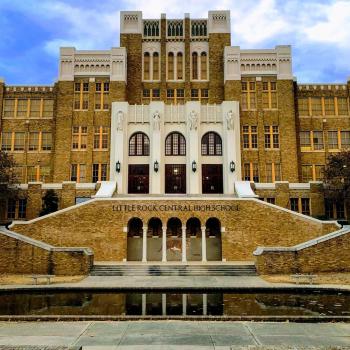
Central High School in Little Rock, Arkansas, was integrated in 1957.
After viewing some footage from the actual event, students jot down thoughts and feelings of the Little Rock Nine. Students then write a bio-poem that might have been written by one of these students on this historic day.

Get ready to celebrate Banned Books Week!
Students brainstorm reasons why certain books might have been banned and discuss common reasons why books are challenged.
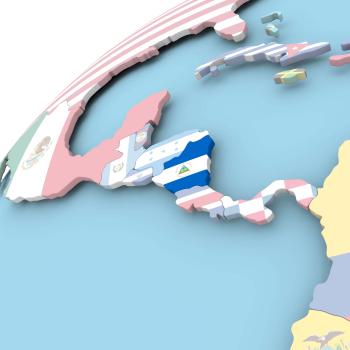
Hispanic Heritage Month begins today.
Students brainstorm all the various aspects of Latinx culture and compile topics to research. Groups then research topics and present their information to the class.
On the Road author Jack Kerouac embarked on his first cross-country road trip in 1947.
Students read a section from On the Road that deals with cross-country travel and reflects Kerouac's unique writing style. Students then attempt to write a narrative using Kerouac's stream-of-consciousness style.

Library Card Sign-up Month begins today.
A school or public library librarian is invited to visit the classroom to talk to the students about the advantages of having a library card. Students then take a library tour to acquaint them with the general features and resources available.

The tropical storm that became Katrina formed over the Bahamas in 2005.
As a class, students explore weather-related and other natural disasters that their geographical area is prone to and review emergency preparedness and procedures.

The Smithsonian Institution was founded in 1846.
After exploring an exhibit online, students use the information they learned to write "A Day in the Life" narratives that tell about a person, animal, or object they saw in the exhibit.
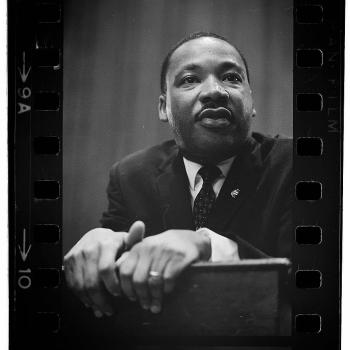
Dr. Martin Luther King, Jr. delivered his "I Have a Dream" speech in 1963.
Students explore the "I Have a Dream" Foundation's website and brainstorm ways they can help themselves or others at their school achieve their educational dreams.

The 19th Amendment to the U.S. Constitution gave women the right to vote in 1920.
A representative from the local chapter of the League of Women Voters is invited to talk to students about voting rights and what they can do to be active in politics.