ReadWriteThink - Powered by NCTE
  • About
  • Classroom Resources
    • Lesson Plans
    • Teaching Comics
    • Teaching With Primary Resources
    • Calendar
    • Printouts
    • Student Interactives
  • Collections
    • Assessment
    • Authors
    • Booklists
    • Media Literacy
    • Poetry
    • Primary Sources
    • Writing
  • Professional Development
    • Strategy Guides
    • Professional Library
    • Meetings & Events
  • Join NCTE
  • Contact Us
  • About
  • Classroom Resources
    • Lesson Plans
    • Teaching Comics
    • Teaching With Primary Resources
    • Calendar
    • Printouts
    • Student Interactives
  • Collections
    • Assessment
    • Authors
    • Booklists
    • Media Literacy
    • Poetry
    • Primary Sources
    • Writing
  • Professional Development
    • Strategy Guides
    • Professional Library
    • Meetings & Events
  • Join NCTE
  • Contact Us
  • Facebook
  • Twitter
  • Instagram
  • Pinterest
  • YouTube

Breadcrumb

  1. Home

Type

  • Classroom Resources
  • Professional Development

Grades

  • 1 (111)
  • 2 (124)
  • 3 (267)
  • 4 (274)
  • 5 (323)
  • 6 (390)
  • 7 (404)
  • 8 (410)
  • 9 (428)
  • 10 (423)
  • 11 (416)
  • 12 (413)
  • K (89)

Learning Objectives

  • (-) critical thinking (649)
  • (-) inquiry / research (350)
  • collaboration (458)
  • Comprehension (508)
  • digital literacy (154)
  • Grammar (57)
  • listening (182)
  • literary analysis (367)
  • Media literacy (205)
  • metacognition (302)
  • multicultural awareness (113)
  • multimodal literacy (260)
  • oral communication (224)
  • phonological awareness (61)
  • print awareness (89)
  • reading fluency (67)
  • reading genres (290)
  • Spelling (51)
  • text structure / story structure (242)
  • Vocabulary (191)
  • writing genres (382)
  • writing process (421)

Topics

  • arts
  • careers
  • community
  • drama
  • ELL
  • Family
  • fiction
  • Mathematics
  • Mobile Learning
  • nonfiction
  • poetry
  • science
  • seasons / holidays
  • social action
  • social studies / history
  • Sports
  • STEM
Language  and Power in <em>The Handmaid's Tale</em> and the World
Grades
9 - 12
|
Lesson Plan
|
Standard Lesson
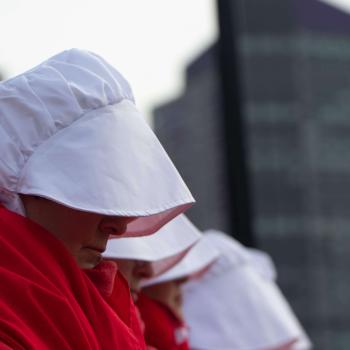
Language and Power in The Handmaid's Tale and the World
Students work in small groups to examine Margaret Atwood's use of and observations about language in The Handmaid's Tale. Through this activity, students discover and articulate overarching thematic trends in the book and then can extend their observations about official or political language to examples from their own world.
Sonic Patterns: Exploring Poetic Techniques Through Close Reading
Grades
9 - 12
|
Lesson Plan
|
Standard Lesson
Sonic Patterns: Exploring Poetic Techniques Through Close Reading

Students develop close reading skills connecting sound with sense in the poem "Those Winter Sundays," and write an original text that reflects their new learning.
There Are No Small Parts: Minor Characters in <em>David Copperfield</em>
Grades
9 - 12
|
Lesson Plan
|
Standard Lesson
There Are No Small Parts: Minor Characters in David Copperfield
This lesson capitalizes on students' interest in social networking by asking students to build an online profile for a minor character in Charles Dickens' David Copperfield.
Grades
9 - 12
|
Lesson Plan
|
Standard Lesson
Joining the Conversation about Young Adult Literature
Students create a persuasive case calling for the adoption of a particular young adult literature title into their school's language arts curriculum by writing letters or speeches.
Blurring Genre: Exploring Fiction and Nonfiction with <em>Diary of a Worm</em>
Grades
6 - 8
|
Lesson Plan
|
Standard Lesson
Blurring Genre: Exploring Fiction and Nonfiction with Diary of a Worm
After reading several examples of how a published author incorporates facts in fiction writing, students research a topic of their choice and write fictional diary entries that incorporate factual information.

Grocery Store Scavenger Hunt: Researching Nutrition to Advertise for Health
Grades
6 - 8
|
Lesson Plan
|
Unit
Grocery Store Scavenger Hunt: Researching Nutrition to Advertise for Health
After researching nutrition and analyzing food advertisements, students work in cooperative groups to create their own advertisements for food products.

Modeling Academic Writing Through Scholarly Article Presentations
Grades
9 - 12
|
Lesson Plan
|
Unit
Modeling Academic Writing Through Scholarly Article Presentations

Students prepare an already published scholarly article for presentation, with an emphasis on identification of the author's thesis and argument structure.

Teaching Student Annotation: Constructing Meaning Through Connections
Grades
9 - 12
|
Lesson Plan
|
Standard Lesson
Teaching Student Annotation: Constructing Meaning Through Connections
Students examine text closely and create annotations to make personal and meaningful connections with the work.

Brochures: Writing for Audience and Purpose
Grades
9 - 12
|
Lesson Plan
|
Unit
Brochures: Writing for Audience and Purpose
Students create brochures on the same topic as another piece of writing they have done, highlighting how shifting purposes and audiences creates changes in their strategies as writers.

Family Memoir: Getting Acquainted With Generations Before Us
Grades
9 - 12
|
Lesson Plan
|
Unit
Family Memoir: Getting Acquainted With Generations Before Us
Creating a memoir of an older family member allows students both to learn more about their own backgrounds and to learn the power of storytellers.
Enchanting Readers with Revisionist Fairy Tales
Grades
6 - 8
|
Lesson Plan
|
Standard Lesson
Enchanting Readers with Revisionist Fairy Tales
Students examine three examples of revisionist fairy tales in which female characters act in empowered roles rather than behaving helpless and submissive.
Grades
6 - 8
|
Lesson Plan
|
Standard Lesson
Book Report Alternative: Hooking a Reader with a Book Cover
Students select a book to read based only on its cover art. After reading the book, they use an interactive tool to create a new cover for it.

Grades
3 - 5
|
Lesson Plan
|
Standard Lesson
Book Report Alternative: Creating a New Book Cover
Students explore book covers of a variety of books then create a new cover for a book they have read.
Judging a Book by its Cover: The Art and Imagery of <em>The Great Gatsby</em>
Grades
9 - 12
|
Lesson Plan
|
Standard Lesson
Judging a Book by its Cover: The Art and Imagery of The Great Gatsby

Students explore The Great Gatsby's allusion to art and its use of visual imagery and conclude their study by designing their own cover for the novel.

Entering History: Nikki Giovanni and Martin Luther King, Jr.
Grades
6 - 8
|
Lesson Plan
|
Standard Lesson
Entering History: Nikki Giovanni and Martin Luther King, Jr.
Nikki Giovanni's poem "The Funeral of Martin Luther King, Jr." is paired with Dr. King's "I Have a Dream" speech, taking students on a quest through time to the Civil Rights movement.
Travel Brochures: Highlighting the Setting of a Story
Grades
6 - 8
|
Lesson Plan
|
Standard Lesson
Travel Brochures: Highlighting the Setting of a Story
Readers are often transported to the places mentioned in texts through words and descriptions. This lesson invites students to create travel brochures about the setting of texts they have read.
Searching for Gold: A Collaborative Inquiry Project
Grades
3 - 5
|
Lesson Plan
|
Unit
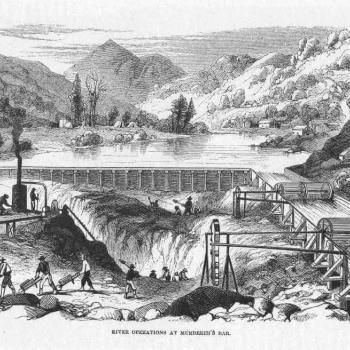
Searching for Gold: A Collaborative Inquiry Project
Each small group of students researches one aspect of the same big topic, such as the Gold Rush, and teaches what they have learned to the rest of the class.
From Friedan Forward&#151;Considering a Feminist Perspective
Grades
9 - 12
|
Lesson Plan
|
Standard Lesson
From Friedan Forward—Considering a Feminist Perspective
Students write letters expressing personal views on issues like equal pay, equal education/employment opportunity, and gender roles—and receive these letters six years later.
Communicating on Local Issues: Exploring Audience in Persuasive Letter Writing
Grades
9 - 12
|
Lesson Plan
|
Standard Lesson
Communicating on Local Issues: Exploring Audience in Persuasive Letter Writing

Students will research a local issue, and then write letters to two different audiences, asking readers to take a related action or adopt a specific position on the issue.

Blogtopia: Blogging about Your Own Utopia
Grades
9 - 12
|
Lesson Plan
|
Standard Lesson
Blogtopia: Blogging about Your Own Utopia
Students work together to create their own utopias, using blogs as the primary source of publication.

Pagination

  • First page « First
  • Previous page ‹‹
  • Page 1
  • Page 2
  • Page 3
  • Page 4
  • Page 5
  • Page 6
  • Page 7
  • Page 8
  • Page 9
  • …
  • Next page ››
  • Last page Last »

Explore Resources by Grade

  • KindergartenK
  • 1-2
  • 3-4
  • 5-6
  • 7-8
  • 9-10
  • 11-12

RWT-logo

Powered By NCTE

Footer 1 Menu

  • About
  • Classroom Resources
  • Professional Development
  • Collections
  • Contact Us

Footer 2 Menu

  • National Council of Teachers of English
  • Contribute to RWT
  • FAQs
  • Join NCTE

Footer 3 Menu

  • Legal Notices
  • Privacy Policy
  • Promotional Materials
  • Site Demonstrations

Want to stay in touch with RWT and NCTE? Sign up here!

  • Facebook
  • Twitter
  • Instagram
  • Pinterest
  • YouTube

© NCTE 2026. All rights reserved