To prepare students for reading the graphic novel Persepolis, this lesson uses a WebQuest to focus students' research on finding reliable information about Iran before and during the Islamic Revolution.
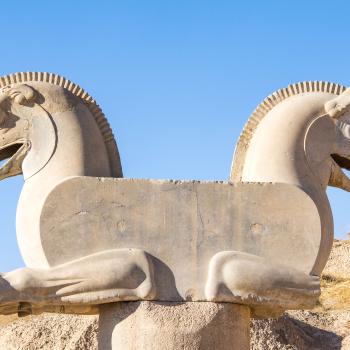
Gaining Background for the Graphic Novel Persepolis: A WebQuest on Iran

Worth Its Weight: Letter Writing with "The Things They Carried"
This lesson uses a letter-writing activity based on Tim O'Brien's story "The Things They Carried" to build empathy as students examine the weight they symbolically carry in their own lives.

Exchanging Ideas by Sharing Journals: Interactive Response in the Classroom
Pairs of students respond to literature alternately in shared journals. Mini-lessons are presented on responding to prompts, creating dialogue, adding drawings, and asking and answering questions.
Developing Characterization in Raymond Carver's "A Small, Good Thing"
Students read Raymond Carver's story "A Small, Good Thing," focusing on characterization in order to develop one of the static charactersthe hit-and-run driver who causes Scotty's deathmore fully.

Many Years Later: Responding to Gwendolyn Brooks' "We Real Cool"
Students analyze the Gwendolyn Brooks' poem "We Real Cool" and then write about how the character's pool hall days might influence who the character becomes fifty years in the future.

The Day Jimmy's Boa Taught Cause and Effect
This lesson introduces the concept of cause and effect with Trinka Hakes Noble's books about Jimmy and his boa constrictor.
The Children's Picture Book Project
In this lesson students evaluate published children's picture storybooks. Students then plan, write, illustrate, and publish their own children's picture books.
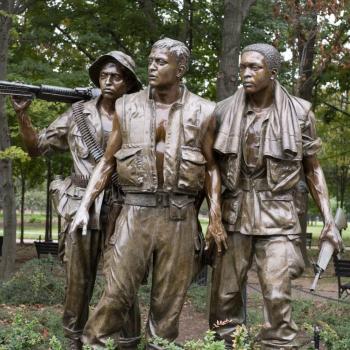
Love of War in Tim O'Brien's "How to Tell a True War Story"
Students explore the theme of love of war through texts on camaraderie among soldiers. They then compose a visual collage depicting their beliefs about the relationship between love and war.
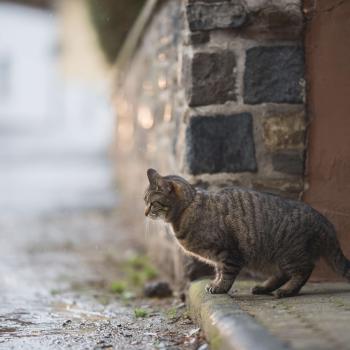
When Less IS More—Understanding Minimalist Fiction
This lesson pairs Ernest Hemingway's short story "Cat in the Rain' with Raymond Carver's "Little Things" to guide students to an understanding of the characteristics of minimalist fiction.

Assessing Cultural Relevance: Exploring Personal Connections to a Text
As a class, students evaluate a nonfiction or realistic fiction text for its cultural relevance to themselves personally and as a group.

Analyzing and Podcasting About Images of Oscar Wilde
Students analyze images of Oscar Wilde used to publicize his 1882 American lecture tour. They then compare a caricature to another researched image, sharing this analysis in a podcast.

Reaching Across Time: Scaffolded Engagements With a 19th-Century Text
Students in the 21st century need to build background knowledge and fill in textual gaps to enter the unfamiliar world of "Bartleby the Scrivener: A Story of Wall Street."

BOOKMATCH: Scaffolding Independent Book Selection
This lesson will be turning heads and pages as students learn how to choose appropriate books for independent reading exercises and later evaluate their choices.

Creating Character Blogs
Students view examples of blogs, learn the basic elements of blog creation, and then create a blog from the perspective of a fictional character.

Thoughtful Threads: Sparking Rich Online Discussions
Today's students love chatting online with friends. This lesson combines that love with literature. Students form literature circles and have meaningful online discussions about a literary work.

Latino Poetry Blog: Blogging as a Forum for Open Discussion
In this lesson, students use blogs to hold discussions about the effect of the factors of culture, history, and environment on Latino poetry.

Recording Readers Theatre: Developing Comprehension and Fluency With Audio Texts
Students investigate audio texts of mystery stories, evaluate them in terms of both literary and audio qualities, and create Readers Theatre scripts, which they use to record their own podcasts.
I Remember That Book: Rereading as a Critical Investigation
Curl up with a good book againor not. In this lesson, students brainstorm why they reread some books, while passing up others, and write their reflections in an essay.

Four Simple Steps to Small-Group Guided Writing
Students will go batty about the three writing strategies they learn in this lesson centered on Nicola Davies' Bat Loves the Night.
Earth Verse: Using Science in Poetry
Students shape up their reading, writing, and listening skills in this lesson by creating original diamante, acrostic, and shape poems about science.