Students debate about incorporating service-learning into their school's curriculum.

The Great Service-Learning Debate & Research Project
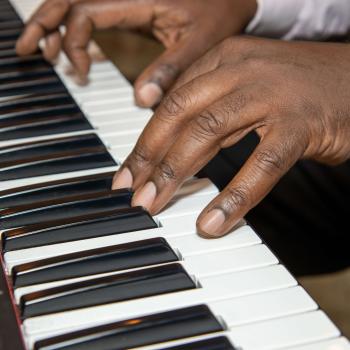
Facilitating Student-Led Seminar Discussions with The Piano Lesson
August Wilson's play The Piano Lesson invites students to ask a number of questions—big
and small. Students learn how to create effective discussion questions and then put them to use in student-led discussions.

Analyzing Famous Speeches as Arguments
Students are often asked to perform speeches, but rarely do we require students to analyze speeches as carefully as we study works of literature. In this unit, students are required to identify the rhetorical strategies in a famous speech and the specific purpose for each chosen device. They will write an essay about its effectiveness and why it is still famous after all these years.
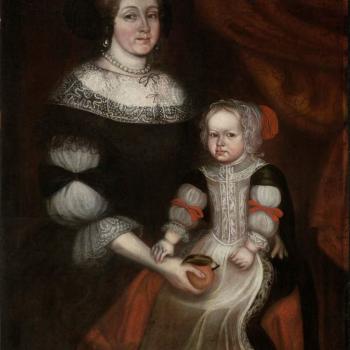
An Exploration of The Crucible through Seventeenth-Century Portraits
In this lesson, students incorporate analyses of characters from The Crucible with examinations of original seventeenth-century portraits of Puritans to create a visual portrait of the character. The project culminates in a "Portrait Gallery Walk" where students present and defend their artwork.
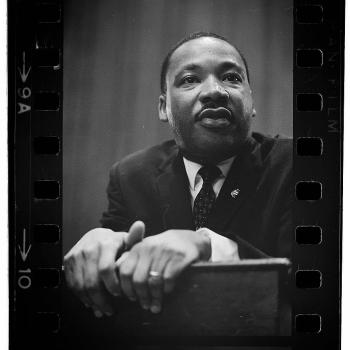
I Have a Dream: Exploring Nonviolence in Young Adult Texts
Students will identify how Martin Luther King Jr.'s dream of nonviolent conflict-resolution is reinterpreted in modern texts. Homework is differentiated to prompt discussion on how nonviolence is portrayed through characterization and conflict. Students will be formally assessed on a thesis essay that addresses the Six Kingian Principles of Nonviolence.
Brave New Words: Novice Lexicography and the Oxford English Dictionary
Students become novice lexicographers as they explore recent new entries to the dictionary, learn the process of writing entries for the Oxford English Dictionary, and write a new entry themselves.

Choose, Select, Opt, or Settle: Exploring Word Choice in Poetry
Students investigate the effects of word choice in Robert Frost's "Choose Something Like a Star" to construct a more sophisticated understanding of speaker, subject, and tone.

If a Body Texts a Body: Texting in The Catcher in the Rye
Students imagine the possibilities afforded by text messaging technology in The Catcher in the Rye; They compare and contrast major forms of communication, select points in the novel to represent with text messages, and share and discuss their creative work.

Language and Power in The Handmaid's Tale and the World
Students work in small groups to examine Margaret Atwood's use of and observations about language in The Handmaid's Tale. Through this activity, students discover and articulate overarching thematic trends in the book and then can extend their observations about official or political language to examples from their own world.

Sonic Patterns: Exploring Poetic Techniques Through Close Reading
Students develop close reading skills connecting sound with sense in the poem "Those Winter Sundays," and write an original text that reflects their new learning.
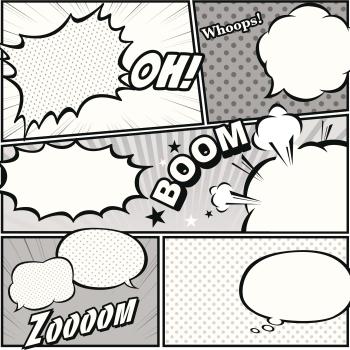
The Comic Book Show and Tell
Students craft comic scripts using clear, descriptive, and detailed writing that shows (illustrates) and tells (directs). After peers create an artistic interpretation of the script, students revise their original scripts.

Exploring Language and Identity: Amy Tan's "Mother Tongue" and Beyond
Students explore the idea of "different Englishes" by reading Amy Tan's "Mother Tongue" and writing literacy narratives about their own use of different language for different audiences and purposes.
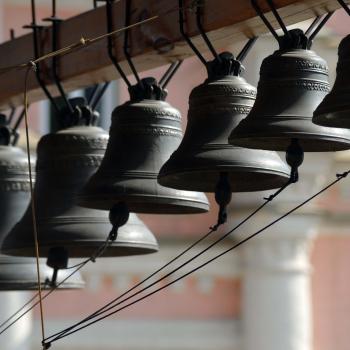
Onomatopoeia: A Figurative Language Minilesson
Clang, clash, or tinkle? Students explore the use of onomatopoeia in Edgar Allan Poe's "The Bells" before choosing their own sound words in response to specific sounds.

Writing about Writing: An Extended Metaphor Assignment
After discussing the poem "The Writer" by Richard Wilbur, students analyze their own writing habits and create an extended metaphor describing themselves as writers.

Draft Letters: Improving Student Writing through Critical Thinking
Draft letters ask students to think critically about their writing on a specific assignment before submitting their work to a reader. This lesson explains and provides models for the strategy.
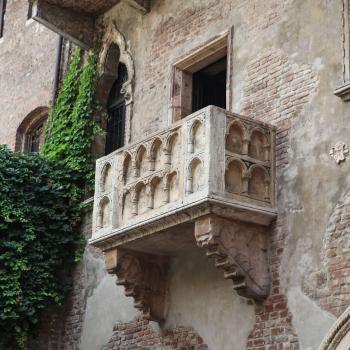
Star-Crossed Lovers Online: Romeo and Juliet for a Digital Age
Explore the modern significance of an older text, such as Shakespeare's Romeo and Juliet, by asking students to create their own modern interpretation of specific events from the drama.
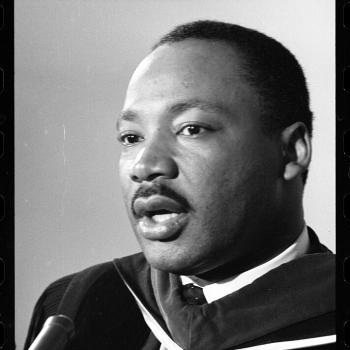
Exploring the Power of Martin Luther King, Jr.'s Words through Diamante Poetry
Students explore the ways that powerful and passionate words communicate the concepts of freedom, justice, discrimination, and the American Dream in Martin Luther King, Jr.'s "I Have a Dream" speech.
Avoiding Sexist Language by Using Gender-Fair Pronouns
Students engage in a brief writing assignment that concretely illustrates how language and gender stereotyping interact causally.

An Introduction to Julius Caesar Using Multiple-Perspective Universal Theme Analysis
This resource is an introduction to William Shakespeare's tragic play, The Tragedy of Julius Caesar, through the study of universal themes using multiple-perspective investigations of betrayal scenarios.

Picture This: Student Created Online Vocabulary Flashcards
Let the students be the vocabulary experts! Prior to whole class instruction, students create online flashcards and teach the class the new vocabulary.