ReadWriteThink - Powered by NCTE
  • About
  • Classroom Resources
    • Lesson Plans
    • Teaching Comics
    • Teaching With Primary Resources
    • Calendar
    • Printouts
    • Student Interactives
  • Collections
    • Assessment
    • Authors
    • Booklists
    • Media Literacy
    • Poetry
    • Primary Sources
    • Writing
  • Professional Development
    • Strategy Guides
    • Professional Library
    • Meetings & Events
  • Join NCTE
  • Contact Us
  • About
  • Classroom Resources
    • Lesson Plans
    • Teaching Comics
    • Teaching With Primary Resources
    • Calendar
    • Printouts
    • Student Interactives
  • Collections
    • Assessment
    • Authors
    • Booklists
    • Media Literacy
    • Poetry
    • Primary Sources
    • Writing
  • Professional Development
    • Strategy Guides
    • Professional Library
    • Meetings & Events
  • Join NCTE
  • Contact Us
  • Facebook
  • Twitter
  • Instagram
  • Pinterest
  • YouTube

Breadcrumb

  1. Home

Type

  • Classroom Resources
  • Professional Development

Grades

  • 1 (35)
  • 2 (36)
  • 3 (93)
  • 4 (92)
  • 5 (101)
  • 6 (130)
  • 7 (136)
  • 8 (146)
  • 9 (206)
  • K (30)
  • (-) 11 (204)

Learning Objectives

  • (-) literary analysis (204)
  • collaboration (187)
  • Comprehension (211)
  • critical thinking (367)
  • digital literacy (76)
  • Grammar (18)
  • inquiry / research (161)
  • listening (80)
  • Media literacy (132)
  • metacognition (187)
  • multicultural awareness (68)
  • multimodal literacy (134)
  • oral communication (101)
  • phonological awareness (4)
  • print awareness (35)
  • reading fluency (11)
  • reading genres (154)
  • Spelling (5)
  • text structure / story structure (107)
  • Vocabulary (54)
  • writing genres (187)
  • writing process (162)

Topics

  • arts
  • careers
  • community
  • drama
  • ELL
  • Family
  • fiction
  • Mathematics
  • Mobile Learning
  • nonfiction
  • poetry
  • science
  • seasons / holidays
  • social action
  • social studies / history
  • Sports
  • STEM
9 - 12

Understanding Immigrants Through Comics: Great Immigrants, Great Americans Unit

Teaching Comics
6 - 12

Multimodal Text Sets Strategy Guide

Teaching Comics
Tracking the Ways Writers Develop Heroes and Villains
Grades
9 - 12
|
Lesson Plan
|
Unit
Tracking the Ways Writers Develop Heroes and Villains
Everyone knows that Star Wars character Darth Vader is a villain. This lesson asks students to explore how they know such things about heroes and villains they encounter in texts.

The Ten-Minute Play: Encouraging Original Response to Challenging Texts
Grades
9 - 12
|
Lesson Plan
|
Unit
The Ten-Minute Play: Encouraging Original Response to Challenging Texts
Students use both analytical and creative skills to adapt passages from a novel with significant internal dialogue and conflict, such as Toni Morrison's Beloved, into a ten-minute play.
The Importance of Titles: From Big Blank Space to Small Good Thing
Grades
9 - 12
|
Lesson Plan
|
Standard Lesson
The Importance of Titles: From Big Blank Space to Small Good Thing
After examining two sets of stories that author Raymond Carver renamed in revision, students write a reflective essay in which they defend their choice of a title for one them.
Having <em>My </em>Say: A Multigenre Autobiography Project
Grades
9 - 12
|
Lesson Plan
|
Unit
Having My Say: A Multigenre Autobiography Project

Students compose a multigenre paper, modeled after the Delany sister's autobiography, Having Our Say, that includes the autobiographical narrative essay as well as an informational nonfiction piece.

Analyzing and Comparing Medieval and Modern Ballads
Grades
9 - 12
|
Lesson Plan
|
Standard Lesson
Analyzing and Comparing Medieval and Modern Ballads
Students explore the ballads genre by reading medieval ballads to deduce their characteristics, acting out the ballads, comparing medieval and modern ballads using Venn diagrams, and composing their own ballads.

Exploring Setting: Constructing Character, Point of View, Atmosphere, and Theme
Grades
9 - 12
|
Lesson Plan
|
Standard Lesson
Exploring Setting: Constructing Character, Point of View, Atmosphere, and Theme
Students read texts by Dybek, Dickens, Poe, and Morrison to explore how authors use language to create setting and, in turn, how setting constructs other elements in a literary work.
Ekphrasis: Using Art to Inspire Poetry
Grades
9 - 12
|
Lesson Plan
|
Unit
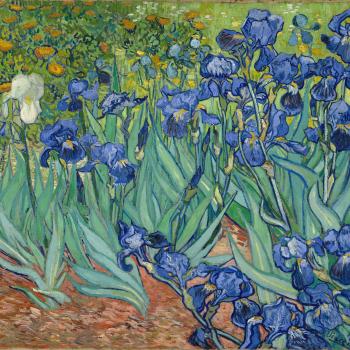
Ekphrasis: Using Art to Inspire Poetry

In this lesson, students explore ekphrasis—writing inspired by art. Students find pieces of art that inspire them and compose a booklet of poems about the pieces they have chosen.

Beyond "What I Did on Vacation": Exploring the Genre of Travel Writing
Grades
9 - 12
|
Lesson Plan
|
Standard Lesson
Beyond "What I Did on Vacation": Exploring the Genre of Travel Writing
After reading and analyzing short examples of travel writing and discussing conventions of the genre, students write their own travel articles.
Creative Outlining-From Freewriting to Formalizing
Grades
9 - 12
|
Lesson Plan
|
Standard Lesson
Creative Outlining-From Freewriting to Formalizing
After reading a short story, students use freewriting as a catalyst for a literary analysis essay.
Worth Its Weight: Letter Writing with "The Things They Carried"
Grades
9 - 12
|
Lesson Plan
|
Standard Lesson
Worth Its Weight: Letter Writing with "The Things They Carried"
This lesson uses a letter-writing activity based on Tim O'Brien's story "The Things They Carried" to build empathy as students examine the weight they symbolically carry in their own lives.
Developing Characterization in Raymond Carver's "A Small, Good Thing"
Grades
9 - 12
|
Lesson Plan
|
Standard Lesson
Developing Characterization in Raymond Carver's "A Small, Good Thing"
Students read Raymond Carver's story "A Small, Good Thing," focusing on characterization in order to develop one of the static characters—the hit-and-run driver who causes Scotty's death—more fully.
Weaving the Old into the New: Pairing <em>The Odyssey</em> with Contemporary Works
Grades
9 - 12
|
Lesson Plan
|
Standard Lesson
Weaving the Old into the New: Pairing The Odyssey with Contemporary Works

After exploring The Odyssey and a contemporary epic, students choose paired characters from the texts, complete a graphic organizer, and place their characters in hypothetical contemporary situations.

Grades
9 - 12
|
Lesson Plan
|
Standard Lesson
Many Years Later: Responding to Gwendolyn Brooks' "We Real Cool"
Students analyze the Gwendolyn Brooks' poem "We Real Cool" and then write about how the character's pool hall days might influence who the character becomes fifty years in the future.

The Children's Picture Book Project
Grades
9 - 12
|
Lesson Plan
|
Unit
The Children's Picture Book Project

In this lesson students evaluate published children's picture storybooks. Students then plan, write, illustrate, and publish their own children's picture books.
Thinking Inductively: A Close Reading of Seamus Heaney's "Blackberry Picking"
Grades
9 - 12
|
Lesson Plan
|
Standard Lesson
Thinking Inductively: A Close Reading of Seamus Heaney's "Blackberry Picking"
This lesson eases students' fear of interpreting complex poetry by teaching them a strategy with which they determine patterns of imagery, diction, and figurative language in order to unlock meaning.
Love of War in Tim O'Brien's "How to Tell a True War Story"
Grades
9 - 12
|
Lesson Plan
|
Unit
Love of War in Tim O'Brien's "How to Tell a True War Story"
Students explore the theme of love of war through texts on camaraderie among soldiers. They then compose a visual collage depicting their beliefs about the relationship between love and war.
When Less IS More&#151;Understanding Minimalist Fiction
Grades
9 - 12
|
Lesson Plan
|
Standard Lesson
When Less IS More—Understanding Minimalist Fiction
This lesson pairs Ernest Hemingway's short story "Cat in the Rain' with Raymond Carver's "Little Things" to guide students to an understanding of the characteristics of minimalist fiction.

Assessing Cultural Relevance: Exploring Personal Connections to a Text
Grades
9 - 12
|
Lesson Plan
|
Standard Lesson
Assessing Cultural Relevance: Exploring Personal Connections to a Text
As a class, students evaluate a nonfiction or realistic fiction text for its cultural relevance to themselves personally and as a group.

Pagination

  • First page « First
  • Previous page ‹‹
  • …
  • Page 3
  • Page 4
  • Page 5
  • Page 6
  • Page 7
  • Page 8
  • Page 9
  • Page 10
  • Page 11
  • Next page ››
  • Last page Last »

Explore Resources by Grade

  • KindergartenK
  • 1-2
  • 3-4
  • 5-6
  • 7-8
  • 9-10
  • 11-12

RWT-logo

Powered By NCTE

Footer 1 Menu

  • About
  • Classroom Resources
  • Professional Development
  • Collections
  • Contact Us

Footer 2 Menu

  • National Council of Teachers of English
  • Contribute to RWT
  • FAQs
  • Join NCTE

Footer 3 Menu

  • Legal Notices
  • Privacy Policy
  • Promotional Materials
  • Site Demonstrations

Want to stay in touch with RWT and NCTE? Sign up here!

  • Facebook
  • Twitter
  • Instagram
  • Pinterest
  • YouTube

© NCTE 2026. All rights reserved